7 Best Vertical Storage Systems for Warehouses

Time:2026-11-03 Author:Mason
0%

Warehouse floors are expensive, and every wasted aisle can slow picking. Vertical Storage systems use height instead, bringing compact inventory closer to operators. The opportunity is real, but the right system depends on item size, order frequency, ceiling clearance, and safe access.

The 2024 MHI Annual Industry Report, produced with Deloitte, found that 55% of surveyed supply-chain leaders planned to adopt robotics and automation within five years. That figure signals rising interest, not a guarantee of savings. A vertical lift module, carousel, or automated storage and retrieval system can reduce travel and reclaim floor space, but poor slotting and inaccurate inventory records remain problems. Technology cannot fix everything.

This guide compares seven warehouse systems and the practical trade-offs behind each. Expect details that matter on a busy shift: tray capacity, retrieval speed, integration needs, and what happens when a machine is offline. John Paxton, MHI’s chief executive, is a relevant industry voice; however, without a verifiable source for his exact words on vertical storage, I will not invent a quotation. That restraint matters. Vendor claims should be checked against site measurements, product dimensions, and a real workflow study. A system that looks efficient in a brochure may feel different beside a crowded packing station. The best choice is rarely the tallest machine. It is the one workers can use reliably, day after day.
7 Best Vertical Storage Systems for Warehouses

What Vertical Storage Systems Are and How They Use Warehouse Height

Vertical storage systems use a warehouse’s overhead space to hold inventory above the floor. Instead of spreading storage across a wider footprint, they arrange goods in taller structures and make selected items accessible to workers. Common options include high-bay racking, vertical lift modules, and vertical carousels. Each uses height differently.

Small footprint, larger reach.

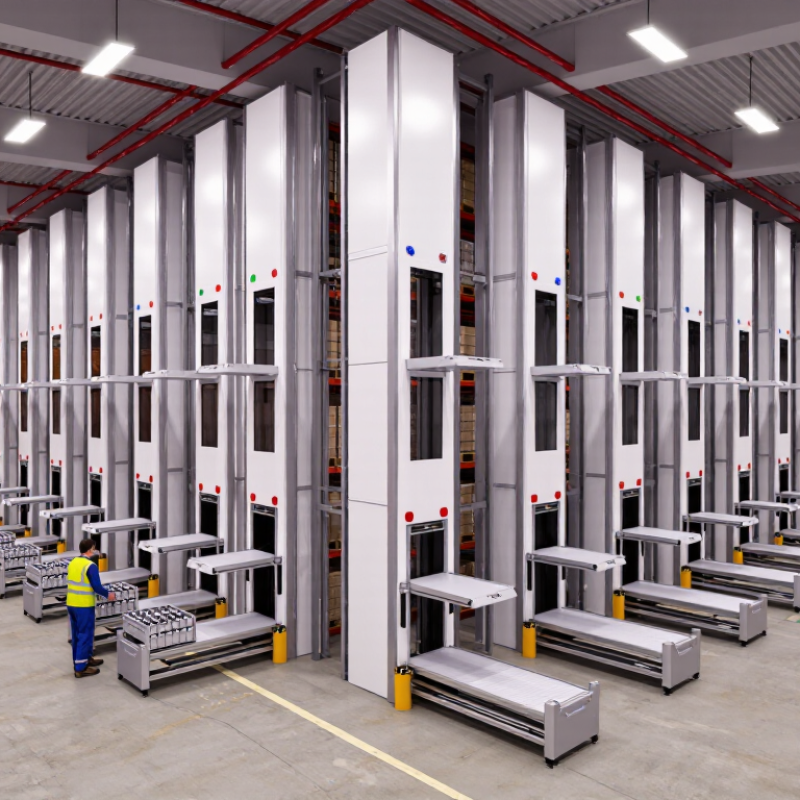
In a vertical lift module, trays sit inside an enclosed frame. A retrieval opening presents the requested tray at a convenient working height. Carousels rotate shelves to bring stored items forward, while high-bay racks use forklifts or automated equipment to reach elevated pallet positions. The right design depends on item size, picking frequency, ceiling clearance, and how goods move through the building.

Height alone does not guarantee better storage. A site assessment should check floor capacity, access equipment, lighting, and clearance around sprinklers and other building systems. Operators also need clear procedures for loading and retrieving goods safely. It is easy to overestimate usable ceiling space; beams, ducts, and uneven inventory can reduce it. And a faster retrieval system may still create a bottleneck if workers cannot handle items at its output rate. Practical measurements matter more than a neat layout drawing.

Key Criteria for Comparing Vertical Warehouse Storage Solutions

Comparing vertical warehouse storage systems starts with the inventory, not the machine. Record item dimensions, weights, pick frequency, and handling needs; averages can conceal awkward exceptions. A 30-centimeter carton may fit neatly, while a long, low-volume part still consumes a full shelf. Check usable ceiling height, floor loading, sprinkler clearance, and aisle access before estimating capacity. Measure twice. Capacity claims matter only when they reflect real stock and safe operating clearances.

Compare retrieval speed under your actual order mix, not a peak-rate figure alone. Observe how often workers wait for replenishment, search for bins, or retrieve multiple items per order. Test exceptions. Consider payload limits, tray flexibility, software integration, and what happens during a power or network interruption. Ask for maintenance intervals, service response times, and operator training requirements. Include installation, energy use, planned downtime, and future layout changes in lifecycle estimates. Pilot data is useful, but one busy week may not represent seasonal demand; that limitation deserves a note in the decision record.

Seven Leading Vertical Storage Systems and How They Work

Vertical lift modules store trays inside an enclosed tower. A lift retrieves the requested tray and presents it at an access opening. Vertical carousels work differently: shelves rotate around a track, bringing selected goods to the operator. Compact and quick. Vertical buffer modules use moving carriers to deliver bins from dense internal storage, often supporting frequent small-item picking.

Mini-load automated storage and retrieval systems use cranes to place totes in tall rack aisles and retrieve them on demand. Vertical reciprocating conveyors move cartons or pallets between warehouse levels; they connect floors, but do not usually provide storage by themselves. High-bay pallet racking uses the building’s height, with suitable trucks placing loads in elevated locations. Multi-tier shelving or mezzanine systems add walkable levels for hand-picked stock. Each system has trade-offs. In practice, a tidy layout drawing can hide awkward replenishment routes or access limits. Check item dimensions, load weights, order patterns, ceiling clearance, and operator movement before choosing. The fastest option on paper may not suit a changing inventory.

How to Match a Storage System to Inventory and Workflow Needs

A vertical storage system can reclaim floor space, but the right choice depends on what the warehouse stores and how staff pick orders. A vertical lift module suits varied parts kept in trays, especially when operators need controlled access. A vertical carousel can work well for many small items picked repeatedly. For bulky cartons or irregular stock, rotating equipment may add unnecessary steps. Measure actual items, including handles, packaging, and the space needed to retrieve them.

Match the system to inventory movement, not just its advertised capacity. Fast-moving products should be easy to reach during busy picking periods; slow movers can occupy less convenient locations. Check order patterns, average picks per shift, and how often stock changes. Then compare those needs with ceiling height, aisle clearance, and replenishment access. A layout that looks efficient on a drawing may feel cramped beside a real cart. Pilot a small area if possible, and track pick time and errors before expanding. The first estimate may be wrong.

Tips: Measure the tallest load and the widest package. Watch an operator complete a typical pick. Ask whether replenishment interrupts picking. Keep room for maintenance and future inventory changes; a system filled to its limits can become awkward surprisingly quickly.

7 Best Vertical Storage Systems for Warehouses

Compare typical fit for picking speed, SKU density, and bulky inventory when matching a storage system to warehouse workflow needs.

Scores are indicative planning ratings from 1 (lower fit) to 5 (higher fit), based on typical system characteristics—not measured performance guarantees. Actual capacity and throughput depend on item dimensions, order profile, layout, and system configuration.

Installation, Safety, and Ongoing System Optimization

Installation starts with the building, not the machine. Check slab condition, floor level, ceiling height, and overhead obstructions before selecting a vertical storage system. Have a qualified professional verify floor loading and anchoring against the equipment specifications. Measure aisle widths and access routes too; delivery crews need room to position modules safely. Small details matter.

During installation, keep workers outside lifting zones and follow the equipment maker’s approved procedures. Verify guards, access doors, emergency stops, and interlocks before operation. Train operators on safe loading, weight limits, and what to do when a tray stops unexpectedly. Never treat a bypassed safeguard as a quick fix. It is not. I have seen floor plans that looked efficient but left too little space for routine maintenance; that mistake is easy to miss until service is due.

After startup, review retrieval times, order patterns, and requests for frequently used items. Place fast-moving inventory where operators can reach it with fewer delays, while keeping heavier goods within rated limits. Recheck slot assignments as demand changes, and inspect anchors, trays, sensors, and safety devices on a planned schedule. Record recurring faults, even minor ones. A small delay may point to a poor slot layout, not just a machine issue. Some adjustments will need revisiting. That is normal.

FAQS

What is a vertical storage system?

It stores inventory above the floor, using warehouse height instead of spreading goods across more floor space. Small footprint, bigger reach.

How does a vertical lift module work?

Trays sit inside an enclosed frame. A lift brings the requested tray to an access opening at a convenient working height.

How do vertical carousels differ from lift modules?

A carousel rotates shelves to bring items forward. A lift module moves a selected tray to the opening.

What other systems use warehouse height?

Mini-load systems use cranes to retrieve totes from tall aisles. High-bay racks store pallets at elevated positions. Mezzanines add walkable levels.

Do vertical reciprocating conveyors store goods?

Usually not. They move cartons or pallets between building levels, connecting floors rather than holding inventory.

What should a site assessment check?

Measure ceiling clearance, floor capacity, item sizes, and load weights. Check beams, ducts, lighting, and sprinkler clearance too. Drawings can miss details.

How can a faster system still create delays?

Workers may not handle items as quickly as the system presents them. Output can become a bottleneck. That part is easy to overlook.

How should a warehouse choose a system?

Compare picking frequency, order patterns, replenishment routes, and operator movement. The fastest option on paper may not fit changing inventory. I might still miss a constraint.

Conclusion

Vertical Storage systems help warehouses make better use of available building height, freeing valuable floor space while keeping inventory accessible. This overview explains how vertical solutions work and compares them by key factors such as storage capacity, retrieval speed, space requirements, inventory characteristics, and fit with existing workflows. It introduces seven common system types, outlining how each stores and retrieves goods and the kinds of operational needs it may support.

Choosing the right system depends on what is stored, how often items are handled, and how warehouse staff move through daily tasks. The article also covers practical considerations for installation, safe operation, and ongoing optimization. With careful planning, staff training, regular inspections, and adjustments as inventory or demand changes, a warehouse can use vertical space effectively while supporting an organized, reliable workflow.

Mason

Mason

Mason is a seasoned marketing professional with a deep expertise in the company's offerings and a passion for driving brand awareness. With a strong background in digital marketing strategies, he has an innate ability to connect with diverse audiences and effectively communicate product benefits.......