Efficient procurement in China requires innovative Storage Solutions. As businesses navigate the complexities of supply chains, the need for effective storage becomes critical. Selecting the right storage system is not just about space utilization; it involves strategic planning and adaptability.
In a dynamic market, storage solutions must keep pace with changing demands. Optimizing warehouse layouts and using advanced technology can enhance efficiency. However, finding reliable solutions can be challenging. Businesses must assess their unique needs and potential growth. Not all storage methods are suitable for every operation.
The landscape of procurement is ever-changing. Thus, companies need to be flexible and ready for adjustments. Sometimes, businesses may overlook important aspects of their storage strategy. Regular reviews and updates can help improve overall effectiveness. Embracing efficient Storage Solutions is key to thriving in today’s competitive environment.
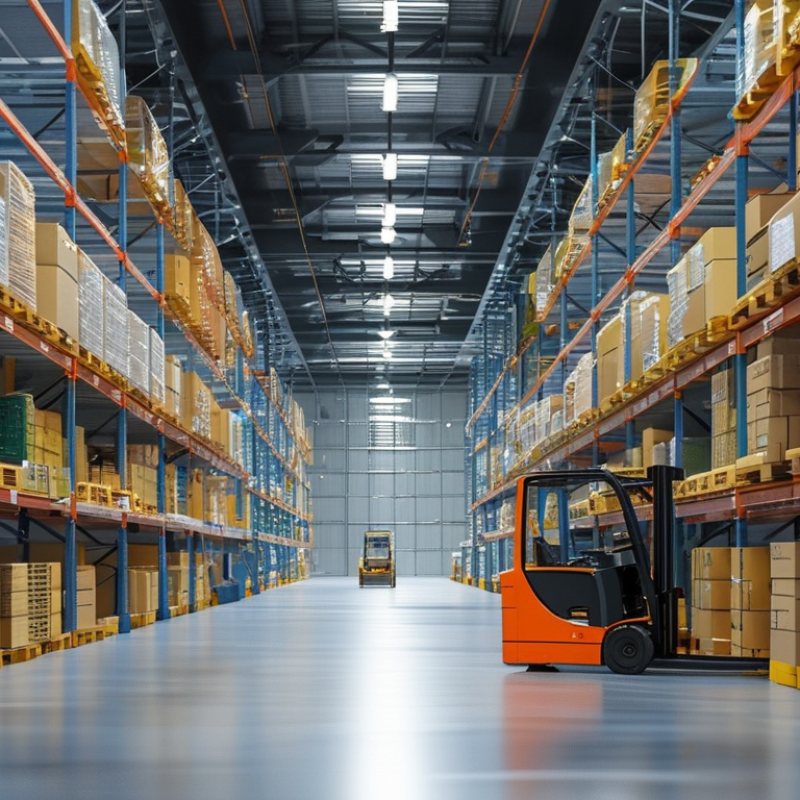
Efficient procurement in China requires robust storage solutions. Recent studies from industry experts reveal that about 30% of supply chain costs stem from ineffective inventory management. This statistic highlights the dire need for enhanced storage systems that improve organization and accessibility.
Advanced warehousing strategies, such as automated storage and retrieval systems (AS/RS), can significantly reduce time and labor costs. Implementing these systems can lead to a 25% increase in operational efficiency, as reported by logistics analysts. However, reliance on technology can also pose risks. Many companies face challenges in integrating new solutions with existing processes. This calls for meticulous planning and training.
Data from the Supply Chain Management Association indicates that nearly 40% of firms struggle with overstocking and stockouts. Finding the right balance is crucial. Effective storage solutions should include real-time inventory tracking to prevent these issues. Additionally, a flexible layout can adapt to changing demands, yet many organizations remain resistant to change. This reluctance can hinder overall efficiency and growth.
Effective storage solutions play a crucial role in the success of procurement strategies in China. As businesses grow, managing inventory becomes more complex. A well-organized storage system ensures easy access to materials and products. This efficiency can lead to significant cost savings and faster delivery times. For procurement teams, the ability to locate items quickly can enhance decision-making and improve supplier relationships.
However, many organizations overlook the importance of proper storage. Disorganization can lead to delays and frustration. When items are hard to find, it creates bottlenecks in the procurement process. Furthermore, inefficient storage can result in overstocking or stockouts. Both of these scenarios hurt operational efficiency. To address these issues, investing in modern storage solutions is essential. For instance, digital inventory management systems provide real-time data about stock levels and locations.
Understanding the unique challenges of the Chinese market is vital. Cultural factors and supplier relationships often influence storage practices. Some companies may find it difficult to adapt their storage and inventory methods. Ultimately, continuous improvement and learning are necessary for optimizing storage in procurement processes. Embracing new technologies and adapting to local conditions can enhance efficiency significantly.
When considering storage solutions for efficient procurement in China, it's crucial to address varying needs. Warehouse spaces can differ greatly based on products and supply chain demands. For perishables, climate-controlled units are vital. They ensure freshness and reduce waste. On the other hand, non-perishable items can utilize traditional shelving, requiring less stringent temperature controls.
The size and scale of the operation also influence storage choice. Small businesses may benefit from modular storage units. They are flexible and cost-effective. Larger enterprises, however, need expansive systems. Automated storage and retrieval systems can enhance efficiency in big warehouses, yet they require significant initial investments.
A common oversight is underestimating the complexity of inventory management. Many operators find that without proper tracking systems, inefficiencies arise quickly. Employees may struggle with locating items, leading to delays. This highlights the need for thoughtful planning and regular assessments of storage solutions to ensure alignment with evolving procurement strategies.
| Storage Type | Capacity (m³) | Ideal Use Case | Pros | Cons |
|---|---|---|---|---|
| Pallet Racking | 100-1000 | Bulk Storage | Highly configurable, good for palletized goods | Requires forklift access |
| Shelving Units | 20-400 | Retail Inventory | Easy access to items, good organization | Limited capacity for bulky items |
| Container Storage | 20-40 | Site Storage | Weatherproof, mobile | Can be expensive, limited visibility |
| Vertical Lift Modules | 50-300 | Automated Distribution | Space efficiency, high retrieval speed | High initial investment |
| Cold Storage Units | 50-500 | Perishable Goods | Preserves freshness, specific temperature controls | Energy intensive, costly maintenance |
Efficient warehouse management is critical for procurement in China. Recent studies show that 70% of companies face challenges in inventory turnover. Improved storage solutions can directly impact efficiency and cost. For instance, implementing FIFO (First In, First Out) systems can reduce product obsolescence. This strategy has helped many firms cut losses by 20%.
Utilizing technology for real-time inventory management is essential. Reports indicate that companies adopting these solutions see up to a 30% reduction in holding costs. However, relying too heavily on automation can pose risks. A lack of trained staff may hinder problem-solving. Balancing technology with human expertise is vital for optimal results.
Regular workforce training is often overlooked. Investing in employee development can significantly enhance operational efficiency. Surprisingly, 40% of workers do not feel confident in their inventory management skills. Moreover, warehouse layout design must be evaluated regularly to adapt to changing demands. Ignoring these factors may lead to bottlenecks and delays in fulfillment.
In today's fast-paced business environment, integrating technology into storage solutions is essential for enhancing efficiency in procurement processes. Utilizing smart inventory systems allows for real-time tracking of goods. This minimizes errors and improves stock management. Visibility into the storage system is crucial; it equips teams to make informed decisions quickly.
Tips: Regular audits of storage practices can reveal bottlenecks. Keep communication open among team members for smoother operations. Technology can offer ways to automate repetitive tasks, freeing up resources for innovation.
Choosing tools that provide data analytics is key. These insights can help identify trends and optimize storage layouts. Visual representation of stock levels is beneficial. It reduces the time spent searching for items. However, reliance on technology without competent personnel can lead to challenges.
Embracing digital solutions requires ongoing training. Staff must adapt to new tools for maximum efficiency. Innovation can improve storage solutions but must be balanced with employee feedback. Keep refining processes based on what works best.
Cost considerations are critical in storage logistics for procurement in China. Efficient management of storage space can reduce overall costs significantly. According to industry reports, optimizing storage can lead to a cost reduction of 20% to 30%. This reduction is vital for companies aiming to maximize profit margins while maintaining service quality.
Budgeting for storage logistics requires a careful analysis of various factors. Warehousing costs, labor expenses, and technology investments must be evaluated. A recent study indicates that companies often underestimate labor costs by up to 15%. This oversight leads to budget overruns that impact the bottom line. Additionally, not accounting for fluctuations in market demand can result in overstocking or stockouts, further complicating the budgeting process.
Investing in technology, like inventory management systems, can enhance efficiency. A well-established system can reduce manual errors and streamline processes. However, initial implementation costs can be high, which may deter some businesses. Reflecting on the balance between technology and cost is essential. Not every solution is one-size-fits-all, and adaptability in planning is key.
: About 30% of supply chain costs stem from ineffective inventory management.
Implementing automated storage systems can lead to a 25% increase in operational efficiency.
Many companies struggle to integrate new solutions with existing processes, requiring careful planning and training.
Real-time inventory tracking helps prevent overstocking and stockouts, which are common issues.
Optimizing storage can reduce costs by 20% to 30%, enhancing profit margins and service quality.
Companies often underestimate labor costs by up to 15%, leading to budget overruns.
Initial implementation costs can be high, and not all solutions suit every business.
Not accounting for fluctuations in market demand can result in overstocking or stockouts.
Many organizations resist change, which can hinder efficiency and growth.
Adaptability is key, as not every solution fits all businesses. Reflecting on this is essential.
Efficient procurement in China heavily relies on effective Storage Solutions that cater to various needs. Understanding the importance of storage in the procurement process is crucial, as it directly impacts inventory management and operational efficiency. Different types of storage solutions, from traditional warehouses to modern automated systems, can be tailored to meet specific procurement demands.
Best practices for warehouse management are essential for optimizing storage space and ensuring quick access to goods. Moreover, integrating technology into Storage Solutions can significantly enhance efficiency, streamline operations, and improve data management. Lastly, careful cost considerations and budgeting are necessary to ensure that storage logistics remain within financial limits while still meeting the growing demands of the procurement cycle.

Fangding Rack