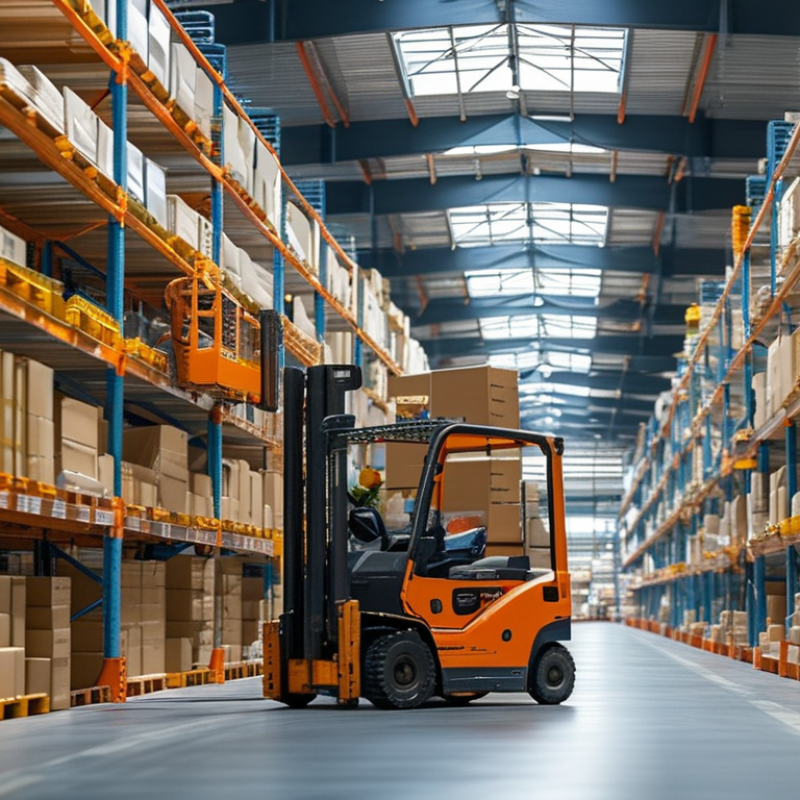
In the ever-evolving landscape of global trade, efficient sourcing in China is crucial. Experts emphasize the significance of effective Picking Solutions in streamlining operations. One leading voice in this field, John Li, a prominent logistics consultant, states, "Optimizing your picking processes can redefine your sourcing success."
In many sourcing operations, challenges arise from outdated picking methods. Companies struggle to maintain efficiency, resulting in delays and increased costs. However, implementing advanced Picking Solutions can transform these challenges into opportunities. These solutions can include automation, data-driven inventory management, and optimized warehouse layouts. Each solution must be tailored to meet unique logistical needs.
Despite advancements, flaws exist within current practices. Some companies hesitate to adopt new technology because of skepticism or investment concerns. Revisiting these attitudes could lead to significant improvements. Embracing innovation can foster competitiveness in the market. It is essential to recognize that not every solution fits every scenario. Companies must critically evaluate their specific requirements to ensure the best outcomes.
When sourcing products from China, selecting the right partners is crucial. Many factors come into play. You need to assess a partner’s experience in your industry. A strong track record indicates reliability. Review case studies or testimonials to understand their capabilities. Ask for references from previous clients. This step is often overlooked but is essential for gauging credibility.
Next, consider their communication skills. Language barriers can lead to misunderstandings. A partner who is responsive and clear can save you time and frustration. Look for those who are proactive in addressing concerns. Their ability to navigate cultural nuances also matters. This can streamline your operations significantly.
Finally, examine their quality assurance processes. A partner must adhere to international standards. Regular quality checks should be a norm, not an exception. Inconsistent quality can disrupt your supply chain. Engaging in deeper discussions about their manufacturing processes can reveal much about their commitment to quality. Keep these criteria in mind when selecting a sourcing partner to enhance your procurement strategy.
This bar chart illustrates the essential criteria for selecting sourcing partners in China based on various factors such as Quality, Cost, Communication, and Reliability.
Sourcing solutions for businesses in China can be complex. Companies have diverse needs, and selecting the right approach is essential. From traditional methods like trade shows to digital platforms that offer real-time updates, there are various options. According to a report by Statista, 70% of global businesses consider digital sourcing solutions critical for their operations. This reflects the shift towards more efficient, tech-driven processes.
One popular option is using online sourcing platforms. These platforms facilitate connections between suppliers and buyers, streamlining communication. In 2022, a survey indicated that businesses using such platforms reported a 30% increase in procurement efficiency. However, while these solutions can enhance speed, they may lack the personal touch that traditional methods offer. This can lead to misunderstandings and dissatisfaction if not managed correctly.
Another noteworthy solution is working with sourcing agents. These professionals bring local expertise and can navigate the complexities of the Chinese market. A study published in the Journal of International Business revealed that companies utilizing sourcing agents saw a 25% reduction in sourcing costs. Yet, it is important to choose agents wisely. Miscommunication can occur, leading to unexpected challenges. Balancing efficiency and relationship-building is crucial for long-term success.
Efficient sourcing strategies in China offer multiple advantages. They streamline supply chains and reduce lead times. By selecting the right partners, businesses can enhance product quality. This is crucial in a competitive market.
Effective sourcing minimizes costs. Companies can take advantage of China’s vast manufacturing capabilities. However, it’s important to choose suppliers wisely. Not all manufacturers meet high standards. Quality control remains a challenge that businesses must navigate.
Building strong relationships is essential. Trust can lead to better negotiation outcomes. Yet, communication barriers may arise. Understanding local customs is vital for success. This requires ongoing education and adaptation. Companies often find that flexibility is key to resolving issues that arise during the sourcing process.
Sourcing from China can be a double-edged sword. While it offers cost advantages, businesses often encounter significant challenges. A report from the Boston Consulting Group highlights that 56% of companies face issues in quality control. Poor product quality leads to financial losses and damaged reputations. Implementing stringent quality checks is essential, yet many companies struggle with this.
Communication barriers compound sourcing difficulties. A study by Deloitte states that 47% of organizations cite poor communication as a major hurdle. Language differences can lead to misunderstandings and errors. Using bilingual staff or reliable translation services can alleviate this issue. However, finding trustworthy partners remains a challenge.
Supply chain disruptions are another common obstacle. According to a survey by McKinsey, 75% of firms reported significant disruptions during global crises. These disruptions can delay shipments and inflate costs. Diversifying suppliers and developing robust contingency plans may help mitigate these risks. Nevertheless, continuous monitoring of suppliers is often neglected, creating vulnerabilities.
| Challenges | Potential Solutions | Impact on Sourcing Efficiency |
|---|---|---|
| Communication Barriers | Use of bilingual staff and translation services | Improved clarity in transactions |
| Quality Control Issues | Implementing strict quality checks | Lower defect rates and returns |
| Complex Regulations | Hiring local legal expertise | Compliance with local laws |
| Supply Chain Disruptions | Developing multiple supplier relationships | Increased reliability and flexibility |
| Cultural Differences | Cultural training for employees | Better negotiation outcomes |
Conducting supplier audits in China is essential for effective sourcing. These audits help ensure quality control and compliance with industry standards. Businesses should prioritize clarity in their audit objectives. Focus on key areas like production capacity, quality management, and supply chain transparency.
Experience shows that on-site visits yield better insights. Auditors can inspect facilities, engage with staff, and review documentation. This direct interaction often highlights potential issues that remote assessments may miss. It's crucial to prepare a checklist before the visit. Include points like equipment condition and workforce qualifications.
However, despite thorough planning, challenges may arise. Language barriers can hinder communication. Cultural differences might lead to misunderstandings. It's vital to remain adaptable and willing to rethink approaches. Continuous reflection on past audits can reveal patterns and areas for improvement. This practice not only enhances supplier relationships but also strengthens overall sourcing strategies.
: Assess their industry experience and track record. This shows reliability and capability.
Clear communication prevents misunderstandings. Responsive partners can save time and frustration.
Request references from previous clients. This step is often overlooked but very important.
Partners must adhere to international standards. Regular quality checks are essential.
Options include online platforms and sourcing agents. Both have their advantages and challenges.
They streamline communication and increase efficiency. However, the personal touch may be missing.
They reduce lead times and costs while enhancing product quality. However, choosing suppliers is crucial.
Not all manufacturers meet high standards. Quality control requires diligence and consistent effort.
Trust and understanding local customs are vital. Continuous education about the culture helps.
Flexibility can help resolve issues that arise. Adaptation to challenges is often necessary for success.
The article titled "Top Picking Solutions for Efficient China Sourcing" delves into the essential aspects of selecting sourcing partners in China. It emphasizes the importance of evaluating suppliers based on criteria such as reliability, quality, and cost-effectiveness. Various types of sourcing solutions available for businesses are discussed, highlighting how each can cater to different operational needs. The key benefits of implementing efficient sourcing strategies in China include cost savings, improved product quality, and faster time-to-market.
Additionally, the article addresses common challenges faced in China sourcing, such as communication barriers and cultural differences, providing practical strategies to overcome these hurdles. Best practices for conducting thorough supplier audits are also emphasized, ensuring that businesses can maintain high standards in their sourcing processes. Overall, the insights provided aim to guide companies in choosing appropriate picking solutions that optimize their sourcing efficiency in the competitive Chinese market.

Fangding Rack