In 2026, the landscape of the supply chain will continue to evolve, making Warehouse Automation a key focus for businesses seeking efficiency. Experts like John Smith, a leading figure in warehouse operations, assert, "Embracing automation is no longer an option; it's a necessity." As companies strive to meet customer demands, they must consider innovative solutions for their warehousing processes.
Warehouse Automation can streamline inventory management and enhance accuracy. However, it is not without its challenges. Many firms struggle with initial implementation costs and workforce adaptation. As noted by industry analysts, these hurdles can impede progress if not addressed properly. Companies must invest time in training their staff, ensuring everyone is comfortable with new technologies.
The potential benefits of Warehouse Automation are significant, yet businesses must approach transformation thoughtfully. This shift can lead to impactful improvements, but a rushed implementation can result in unforeseen issues. Understanding both the advantages and pitfalls of automation is essential for long-term success in the ever-changing retail environment.
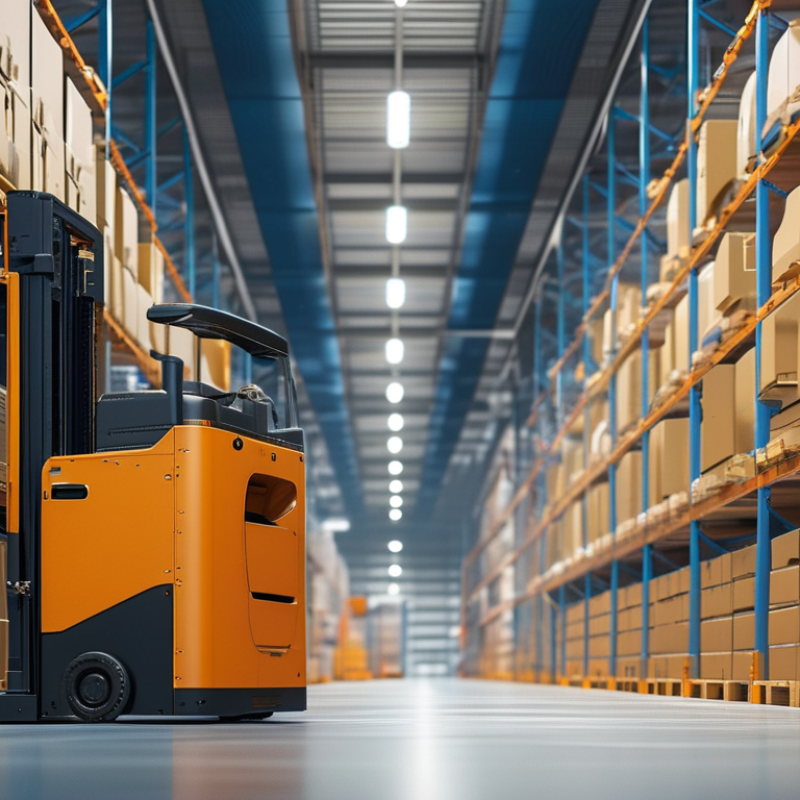
Warehouse automation is transforming the logistics landscape. Understanding the core technologies is crucial for successful implementation. Common systems include automated storage and retrieval systems (AS/RS), robotics, and conveyor systems. According to the latest report from Logistics Management, 55% of warehouses are incorporating automation technologies regularly.
Robotics is a particularly dynamic sector within warehouse automation. Automated guided vehicles (AGVs) and autonomous mobile robots (AMRs) enhance efficiency. They can reduce labor costs by up to 30%, as mentioned in a study from McKinsey. Despite these benefits, many companies face challenges. Seamless integration with existing systems remains a hurdle. Additionally, workforce resistance can slow down the transition process, highlighting the need for effective change management strategies.
While the potential for automation looks promising, not all operations are ready. In fact, 40% of companies lack a clearly defined roadmap for implementation. As companies consider automation in 2026, balancing technology investment with employee training will be vital. Failure to address these aspects can lead to wasted resources and decreased productivity in an already competitive market.
: Warehouse automation involves using technology to enhance logistics efficiency. Common systems include robotics and conveyor systems.
Robotics, such as AGVs and AMRs, can reduce labor costs by up to 30%. They improve overall efficiency in warehouses.
Integration with existing systems is often challenging. Workforce resistance can also hinder the transition to automated processes.
No, 40% of companies lack a clear implementation roadmap. This can lead to inefficient use of resources.
Track key performance indicators like order accuracy and picking speed. Regular audits help identify areas for improvement.
Analyze savings, such as reduced staffing costs, against implementation expenses. Many underestimate the time for full integration.
Proper training ensures employees adapt to new technologies. Without it, productivity can decrease, impacting overall success.
Regularly review performance metrics and adjust processes. Continual assessment helps maintain efficiency and effectiveness.
Without addressing change management, resistance can grow. This may lead to wasted resources and ineffective automation efforts.
Companies should balance technology investment and employee training. Ignoring either can lead to costly mistakes.
In the evolving landscape of logistics, implementing Warehouse Automation in 2026 is crucial for enhancing operational efficiency. Understanding the basics of various automation technologies is the first step, enabling businesses to identify specific needs for their warehouse functions. A thorough assessment allows warehouses to tailor automation solutions that fit their unique requirements, ensuring a smooth transition.
The integration process involves a detailed, step-by-step approach to incorporate the chosen automation technologies into existing workflows. Post-implementation, it is essential to measure efficiency and return on investment (ROI) to evaluate the effectiveness of Warehouse Automation. By closely monitoring performance metrics, companies can make informed adjustments to maximize productivity and achieve their operational goals.

 Fangding Rack