What Are the Top 10 Space Saving Solutions in China?

Time:2026-11-10 Author:Isabella
0%

China’s homes vary widely, from compact city apartments with narrow entryways to family houses with spare rooms. That variety makes Space Saving Solutions more than a style choice: smart layouts can keep daily items accessible without making a room feel crowded. Small rooms punish guesswork. A tall cabinet may add storage, but it can also block light or crowd a doorway if its depth is poorly judged.

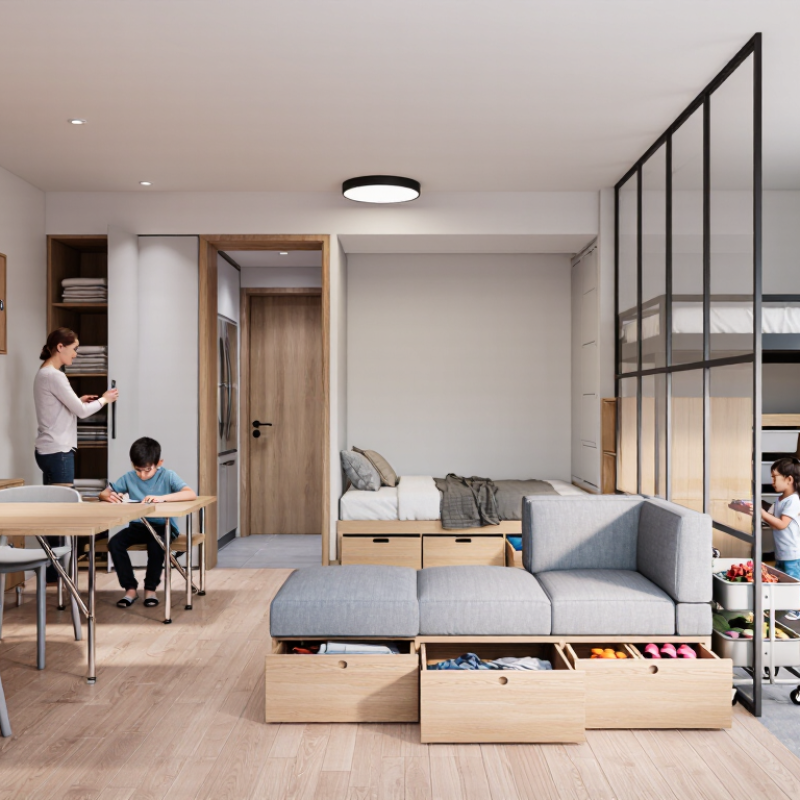
This guide introduces ten practical options for homes in China, including wall-mounted shelves, beds with drawers, foldable tables, sliding-door storage, and modular furniture. Each can help reclaim useful floor space, though none works everywhere. A family with young children may need reachable, closed storage; a renter may prefer pieces that move easily. Measure the room, door swing, and walking paths before buying. Check load limits and materials, too, especially for shelves mounted above beds or desks. Details matter.

The ideas ahead focus on real trade-offs: price, installation, flexibility, and everyday convenience. Some solutions look efficient in a product photo but feel awkward after a week of use. That is worth admitting. A neat room is not always a practical room, and storage can become clutter in disguise. Use the list as a starting point, then match each option to your household’s routines, available space, and budget.
What Are the Top 10 Space Saving Solutions in China?

Why Space-Saving Solutions Matter in China’s Urban Homes

Why Space-Saving Solutions Matter in China’s Urban Homes

China’s cities keep growing. The National Bureau of Statistics reported an urbanization rate of 66.16% in 2023. More people living in cities means more households must make limited floor space work harder. Yet urban homes vary widely, so one layout cannot solve every storage problem.

The Seventh National Population Census reported average urban housing floor area of 36.52 square metres per person.

That is an average, not a promise of spacious rooms in every city. In compact apartments, a deep wardrobe can block a doorway, while a dining table may occupy the only clear path. Every centimetre counts. Wall-mounted shelves, under-bed drawers, fold-down desks, and sliding partitions can free floor area without adding rooms. Careful measurements matter: a folding desk still needs space for a chair.

Useful design is not simply about hiding belongings. Frequently used items should remain easy to reach, and narrow walkways can make a home frustrating. For architects and residents, flexible furniture and built-in storage can help adapt rooms as needs change. Still, built-ins may be costly to alter later. Space-saving choices work best when they match daily routines, not just a showroom plan.

How to Assess Space-Saving Designs for Different Living Needs

Assess a space-saving design against the way people actually live, not just its folded dimensions. Measure doorways, walking routes, and the space needed to pull out a bed or chair. Leave room to open drawers without blocking the kitchen. Small clearances matter.

For a shared home, check whether a divider offers privacy without stealing daylight. A fold-down desk may suit occasional work, but daily use calls for comfortable seating and reachable power outlets. Families may value low, accessible storage; older residents may need clear paths and stable furniture. Try marking the proposed footprint with masking tape before buying anything. It is a simple test.

Storage designs should match what needs storing. Deep shelves can hide bulky items, yet small belongings often disappear at the back. Check weight limits, ventilation around appliances, and whether moving parts feel manageable. A tidy layout on paper can still feel awkward in a narrow room. I would not assume one clever mechanism fixes everything; even a well-measured plan may need adjustment after a week of real use. Keep the items used every day within easy reach, and notice where clutter returns.

Which Furniture and Storage Ideas Maximize Usable Space

In many Chinese apartments, each square metre may need to serve more than one purpose. A sofa bed can turn a sitting room into a guest room, while nesting tables tuck away after meals. A folding dining table helps on busy days, but check that chairs still fit when it is open. Measure doorways and walking paths, too. A storage bench is less useful if it blocks the balcony door.

Tips: Use bed drawers or shallow under-bed boxes for seasonal clothes. Add wall shelves above a desk, and hooks behind doors for bags. Try a storage ottoman for blankets. Small changes help. Keep frequently used items within easy reach; otherwise, tidy storage can become an awkward obstacle.

For a compact work area, a wall-mounted desk can fold flat when the workday ends. Sliding doors may also save clearance in a narrow bedroom, though they do not suit every layout. Use tall, secure shelving for books and kitchen supplies, and keep heavier objects on lower shelves. Leave some space empty. It can feel wasteful at first, but a room that is completely filled often feels harder to use. Measure carefully before buying, and be willing to adjust the plan after living with it.

How Flexible Layouts and Compact Appliances Reduce Clutter

In many Chinese city apartments, a room may serve as a dining area, office, and guest space. Flexible furniture helps each use fit without permanent clutter. Small changes matter. A wall-mounted folding table can open for meals, then tuck away. Nesting stools stack beside a cabinet, while a sofa bed provides occasional guest space. Sliding partitions separate zones without needing a full swing-door clearance. A wheeled cart can serve as a movable prep surface or storage shelf.

Compact appliances make the layout easier to manage. A slim refrigerator, a compact washer, and a combined microwave-oven can free valuable floor and counter space. A narrow dishwasher may suit smaller households, though it still needs safe installation and accessible plumbing. Measure doorways, cabinet depth, and appliance ventilation gaps before buying. Tight fits can create daily frustration.

Use vertical space carefully. Wall shelves keep cooking tools off a small counter, and under-bed drawers hold seasonal bedding. A shallow shoe cabinet can reduce entryway piles without narrowing the walkway. There is a trade-off: folding furniture and combination appliances may take extra setup or have less capacity. I have found that one awkward corner can still defeat a neat plan, so test the layout with tape on the floor before committing.

How the Top 10 Solutions Suit Different Homes and Budgets

Homes in China vary widely, from compact studio flats to larger family apartments. The best space-saving choice depends on room shape, ownership, and budget. Renters can start with freestanding shelves, under-bed boxes, nesting tables, and foldable dining tables. These are affordable and easy to move. A narrow entryway may suit a shallow shoe cabinet, while a small bedroom can gain storage from a bed with drawers. Small changes help.

For homeowners, wall-mounted shelves, sliding doors, modular cabinets, and loft beds can reclaim more floor space. A fold-down desk works well in a study nook, but needs a clear wall and secure installation. Balcony racks can hold laundry or gardening tools, though they should not block drainage or ventilation. Sofa beds offer flexibility for guests, but daily use may feel less comfortable than a regular bed. No solution fits every home; measure doors, walkways, and furniture before buying.

Tips: Set a budget and measure the room first. Check weight limits before mounting shelves. Keep frequently used items within reach, and test one change before reorganizing the whole home.

What Are the Top 10 Space-Saving Solutions in China?

Indicative upfront budget ranges for common space-saving options (RMB)

These options suit different needs: renters can start with portable shelving or under-bed storage, while homeowners may consider custom cabinetry or a storage platform. Budget ranges are indicative planning estimates, not surveyed market averages; actual prices vary by city, materials, size, and installation.

FAQS

Why do small urban homes need space-saving solutions?

China’s urbanization rate reached 66.16% in 2023. In a compact apartment, a deep wardrobe can block a doorway. Every centimetre matters.

Which furniture can serve more than one purpose?

A sofa bed can create a guest space, while nesting tables tuck away after meals. A folding dining table helps, but check that chairs still fit.

How can I add storage without crowding the floor?

Try wall shelves, bed drawers, or shallow boxes beneath the bed. Hooks behind a door can hold bags. Keep daily items within easy reach.

Are built-in cabinets always the best choice?

No. Built-ins can fit awkward corners, but they may be costly to change later. Freestanding shelves are easier to move, especially for renters.

What should I measure before buying space-saving furniture?

Measure the room, doorways, and walking paths. Check whether a desk chair fits when the desk is open. Measure twice.

Do sliding doors work in every small bedroom?

They need less clearance than swinging doors, which can help in a narrow room. But the layout may not suit them. Check the wall space.

How can renters make a small home more practical?

Use movable items such as under-bed boxes, nesting tables, and foldable dining tables. They are easier to take along when you move. Start small.

What safety and comfort details should I consider?

Check weight limits before mounting shelves, and keep heavier objects on lower levels. Leave some floor space empty. A packed room can feel harder to use.

Conclusion

Space Saving Solutions are essential in China’s urban homes, where limited floor area and changing household needs make every square meter valuable. Choosing the right approach starts with assessing how residents use each room, what they need to store, and whether their priorities include working, relaxing, or accommodating guests. A well-planned design balances comfort, accessibility, and flexibility rather than simply fitting more items into a small space.

Practical ideas include multifunctional furniture, vertical shelving, built-in storage, and clear zones that make rooms easier to use. Flexible layouts, foldable pieces, and compact appliances can reduce clutter and adapt to daily routines. The most suitable options depend on the home’s size, layout, and budget: renters may favor movable solutions, while homeowners may consider tailored storage. Together, these choices can help create a more organized, adaptable, and comfortable living environment without sacrificing essential functions.

Isabella

Isabella

Isabella is a dedicated marketing professional with a sharp focus on driving brand growth and engagement through strategic content creation. With an extensive background in digital marketing, she combines her passion for storytelling with her keen understanding of industry trends to deliver......