Choosing the right Heavy Load Storage system in 2026 is not simply a matter of fitting more pallets into a building. A rack that looks efficient on a drawing may slow forklift turns, hide damaged loads, or leave valuable floor space unused. The right choice depends on load weight, pallet dimensions, handling equipment, inventory rotation, and the building itself. Small details matter. A narrow aisle or uneven concrete floor can change the decision.
Common options include selective pallet racking, drive-in and push-back racks, cantilever systems, mobile shelving, and automated storage and retrieval systems. Each solves a different problem. Selective racks provide direct access to every pallet, while drive-in systems can increase density for similar products. Cantilever racks suit long materials such as steel sections or timber. Automation may improve throughput, but only when its costs, maintenance needs, and operating constraints make sense. More density is not always better.
Manufacturing engineer Shigeo Shingo is often credited with the reminder, “The most dangerous kind of waste is the waste we do not recognize.” That idea applies to storage planning: wasted travel, blocked access, and poor visibility can remain unnoticed until daily operations expose them. This guide compares leading Heavy Load Storage systems for 2026, focusing on their practical strengths, trade-offs, and suitable applications. The comparison cannot replace a site assessment. Real warehouses are messier than diagrams, and a recommendation may need revision after observing actual workflows.
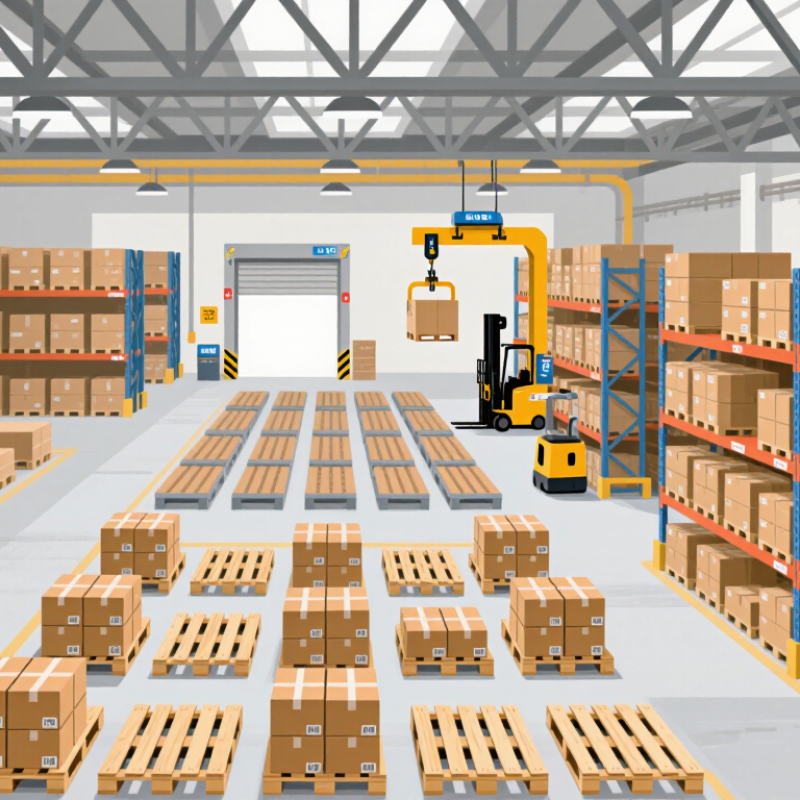
Heavy-load storage systems are defined by engineered capacity, not appearance. A pallet rack holding 1,000 kilograms per level may be heavy-duty, but only when its frame, beams, anchors, floor, and handling equipment support that load safely. ANSI/RMI MH16.1 links rack design to specified load conditions, including vertical forces, horizontal forces, and seismic effects.
The load also includes more than the product itself. Pallet weight, uneven distribution, forklift impact, and repeated loading can change real performance. U.S. OSHA 1910.176 requires stored materials to remain stable and secure, while floor conditions must support the combined rack and inventory weight. Practical inspections often reveal overlooked details, such as bent uprights, missing anchors, or pallets extending beyond beams.
Industry data supports a broader definition. The 2024 MHI Annual Industry Report, based on more than 1,000 supply-chain professionals, reported that 55% expected to use robotics and automation within five years. That trend increases the need for accurate load data and compatible rack layouts. However, automation does not correct weak engineering. It can repeat the same mistake faster.
A reliable heavy-load system should therefore be measured by rated capacity, structural design, operational controls, inspection quality, and traceable maintenance records. In practice, “heavy load” remains an imperfect label. The safest design begins with actual loads, not marketing language.
What Are the Top Heavy Load Storage Systems in 2026?
How Load Capacity and Warehouse Needs Shape System Choice
Heavy-load storage is not a one-size-fits-all purchase. Selective pallet racks suit warehouses handling many product types because forklifts can reach each pallet directly. Drive-in or push-back racks can store more pallets in less floor space, but access is less flexible. Cantilever racks fit long, awkward loads such as pipes or timber. Match the system to the load’s weight, dimensions, and handling pattern—not weight alone. Check the rated capacity for each beam level and rack bay, and confirm that the floor can support the planned loads.
Warehouse priorities are shifting. MHI’s 2024 Annual Industry Report found that 55% of surveyed supply-chain professionals planned to invest in robotics and automation within five years. That makes aisle width, equipment clearance, and future automation worth considering alongside storage density. A narrow aisle may save space but constrain forklifts or later equipment changes. A neat capacity spreadsheet can still miss uneven pallets or damaged floor areas; that is an uncomfortable, practical limitation. Have a qualified storage professional verify the layout and load ratings before installation.
Tips: Measure the heaviest pallet, not the average one. Leave clearances for turning, sprinklers, and inspections. Post load limits where operators can see them, and recheck them after any rack changes.
Indicative planning ranges for palletized loads, in kilograms per pallet position. Actual capacity depends on the rack design, beam and connector ratings, pallet dimensions, floor conditions, and local engineering requirements.
Higher load capacity alone does not determine the best system. Selective racks suit operations needing direct access to many SKUs; double-deep, drive-in, push-back, and pallet-flow systems can increase storage density, with different trade-offs in selectivity and stock rotation. Confirm every design with a qualified storage-system engineer.
For heavy-load storage in 2026, selective pallet racking remains practical when teams need direct access to each pallet. Each bay offers a clear pick face, allowing forklifts to retrieve a specific load without moving another one. This can help when inventory changes often or batches have different dispatch dates. A typical setup uses upright frames, horizontal beams, and floor anchors. Beam levels may be adjustable, but only within the system’s approved design. Direct access takes aisle space. That’s the trade-off.
Before specifying a system, check pallet dimensions, gross weight, load distribution, forklift type, clear height, and floor condition. A pallet below the stated capacity can still cause trouble if its load is uneven or damaged. Use current engineering documentation, and have a qualified professional verify the configuration; appearance alone cannot confirm capacity. Keep aisles clear, protect exposed uprights, and inspect for impact damage, loose connections, or visibly bent members. Small clues matter. Selective racking is not the densest option, and flexibility can be overrated. In busy areas, measure turning space with the actual forklift before fixing the aisle layout.
Drive-in racking stores pallets several positions deep, reducing the number of aisles needed. Forklifts enter the lanes, so pallet sizes and truck clearance must match the layout. It works well when many pallets contain the same product and last-in, first-out access is acceptable. Deep lanes can hide older stock. That matters.
Push-back racking places pallets on nested carts that move along inclined rails. Loading a new pallet pushes earlier pallets back; unloading lets the next pallet roll forward. Operators can work from the aisle, which may reduce travel into storage lanes. The system suits multiple pallets per product, but each lane typically follows last-in, first-out rotation. Cart condition and consistent pallet dimensions deserve regular checks.
Mobile racking mounts storage rows on powered or manually operated bases, opening an aisle where access is needed. It can create high-density storage while keeping more direct access than deep-lane systems. However, retrieval may pause while rows move, and floor flatness, rail installation, and safety controls need careful review. Heavy-load capacity is not a guess: engineers should verify pallet weights, rack components, floor loading, and equipment clearances before installation. Real warehouses are messy; an ideal drawing may not reflect daily picking patterns.
Cantilever and Automated Systems for Specialized Heavy Loads
Long steel tubes, timber, and oversized panels do not fit neatly on standard pallet racks. Cantilever systems use upright columns and projecting arms, leaving the front open for long or irregular items. Adjustable arm heights help separate material by length and weight. Add end stops and clear load labels to reduce shifting and selection errors. Space matters. Before installation, check floor capacity, rack anchoring, aisle width, and the reach of the handling equipment. A rack’s rated capacity depends on its specific configuration, not just the strength of its arms.
Automated storage systems suit heavy components that need controlled access, repeatable handling, or accurate inventory records. A crane or shuttle can retrieve stored loads and deliver them to a picking point, reducing unnecessary travel through the storage area. These systems can use vertical space well, but they require compatible loads, careful safety planning, and reliable maintenance. Measure twice. Packaging, load balance, and dimensional variation can all affect automated handling.
The best choice depends on the material and the daily workflow. Cantilever racks are often straightforward for long goods with frequent forklift access; automation may make sense when space is tight or handling is repetitive. Not always. Automation is not automatically the safer or cheaper option, and cantilever racks still need disciplined loading practices. A practical assessment should include peak inventory, access frequency, floor conditions, and future changes. Even a neat plan can miss awkward handling points, so trial the proposed workflow before committing.
Selective pallet racking provides direct access to every pallet. It works well when inventory changes often or batches have different dispatch dates. Direct access needs wider aisles.
Measure the heaviest pallet, not the average one. Check gross weight, dimensions, load distribution, beam ratings, and bay capacity. Confirm that the floor can support the planned loads.
No. Drive-in and push-back systems save floor space but reduce access flexibility. Dense storage may slow picking when products need frequent individual retrieval.
Cantilever racking suits long or irregular goods, including pipes, timber, and oversized panels. Open fronts make forklift loading easier. Add end stops and visible load labels.
Check floor capacity, anchoring, aisle width, arm levels, and handling-equipment reach. Capacity depends on the complete configuration, not the arms alone. Small details matter.
They can suit repetitive handling, controlled access, and accurate inventory records. Cranes or shuttles retrieve loads and deliver them to picking points. Packaging and load balance must be compatible.
Review aisle width, equipment clearance, clear height, floor condition, and turning space. A narrow aisle may save space today but restrict later equipment changes. Plans can miss awkward handling points.
Keep aisles clear and protect exposed uprights. Post load limits where operators can see them. Inspect bent members, loose connections, impact damage, and uneven pallets. Appearance alone proves little.
Heavy Load Storage systems are designed to safely support substantial weights while making efficient use of warehouse space. Choosing the right solution depends on more than the maximum load: operators should also consider pallet dimensions, inventory turnover, available floor area, ceiling height, and the need for direct access. A system that suits frequently handled goods may differ from one intended to maximize storage density for slower-moving stock.
Selective pallet racking offers straightforward access to individual loads, while drive-in and push-back racking can increase density by reducing aisle space. Mobile racking creates flexible access by moving storage rows when needed. For long or unusually shaped items, cantilever systems provide open, adaptable support. Automated storage systems can help manage heavy goods with consistent handling and precise inventory control. The best choice balances capacity, accessibility, safety, and operational needs rather than focusing on storage volume alone.

Fangding Rack