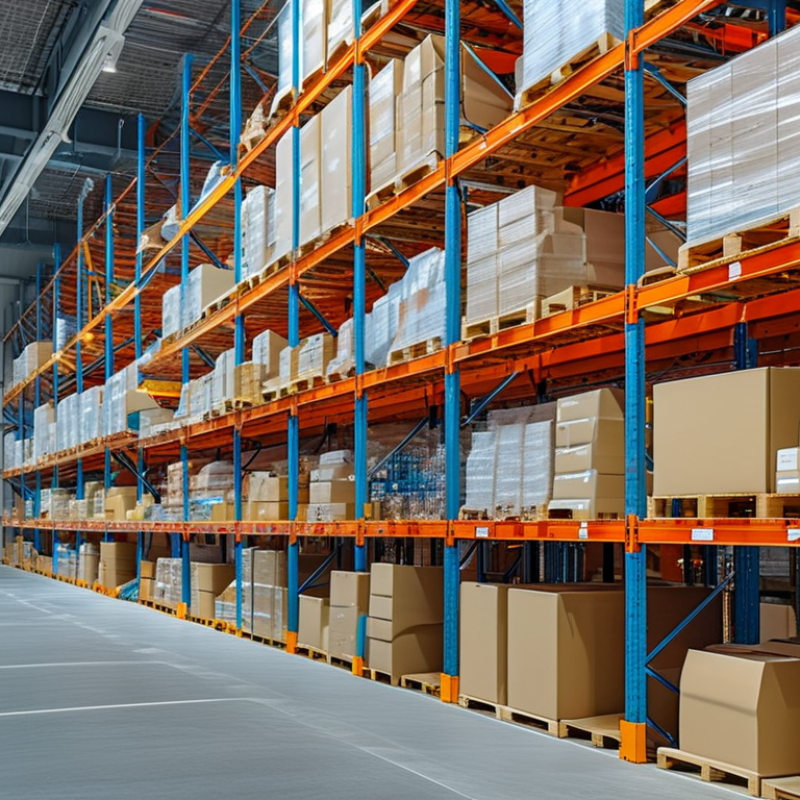
In the rapidly evolving world of warehouse management, Industrial Shelving solutions play a crucial role. Choosing the right shelving system can significantly enhance efficiency. Numerous options exist, but selecting the ideal one requires careful consideration of your specific needs.
As we approach 2026, buyers face many choices in Industrial Shelving. Each option presents unique benefits and challenges. Understanding these can make the decision-making process overwhelming. Some systems are designed for heavy-duty use, while others cater to lightweight needs.
Buyers must also consider space utilization and accessibility. Effective shelving systems can maximize storage capabilities, yet may not fit all environments perfectly. Reflecting on past choices can help inform better decisions. This landscape is dynamic, and staying informed is essential to find the best Industrial Shelving solution for your operations.
Overview of Industrial Shelving Solutions in 2026
In 2026, the industrial shelving solutions market is evolving. A recent report by Market Research Future states that the market is projected to grow at a rate of 5.4% annually. This growth is driven by the increasing demand for efficient storage systems across various sectors.
Companies are focusing on adaptability and modular designs. These shelving solutions can be tailored to meet specific needs, promoting better space utilization. Advanced materials, like steel and composite materials, ensure durability and longevity. These innovations make it easier for businesses to optimize their storage capacities.
However, challenges remain. Many companies struggle to integrate these systems with existing warehouse layouts. This can lead to inefficiencies and wasted space. Additionally, the need for skilled labor to install and maintain these systems is a concern. Various reports highlight a skills gap in the industrial sector, which could hinder the effective implementation of advanced shelving solutions. Balancing innovation with practical application is crucial for success.
Key Features of Top Industrial Shelving Solutions
When choosing industrial shelving solutions, understanding key features is crucial. A report by Market Research Future revealed that the global industrial shelving market is projected to grow at a CAGR of around 5.2% through 2026. This growth is driven by the need for efficient space utilization and optimized storage solutions.
One essential feature to consider is the weight capacity of shelving units. Heavy-duty shelving can support loads of over 1,500 pounds per shelf, making them ideal for warehouses. Additionally, adjustable shelving is gaining popularity. This flexibility allows users to modify shelf heights based on specific items. The ability to adapt storage solutions is vital for maximizing warehouse efficiency.
Tips: Assess your specific storage needs before selecting! Ensure shelving materials match your operational requirements. Not all shelving is created equal; choosing the wrong type can lead to costly mistakes. Conduct regular evaluations of your shelving systems to ensure they remain efficient. Remember, overloading shelves can lead to safety hazards and damaged stock.
2026 Top Industrial Shelving Solutions for Global Buyers
| Type |
Load Capacity (lbs) |
Material |
Dimensions (L x W x H) |
Key Features |
| Heavy-Duty Racking |
3000 |
Steel |
48 x 36 x 96 in |
Adjustable shelves, high durability |
| Wire Shelving |
600 |
Chrome Plated Steel |
60 x 18 x 72 in |
Rust-resistant, great air circulation |
| Boltless Shelving |
1200 |
Steel |
72 x 36 x 84 in |
Easy assembly, versatile configurations |
| Plastic Shelving |
300 |
High-Density Polyethylene |
48 x 24 x 72 in |
Lightweight, moisture-resistant |
| Cantilever Racks |
5000 |
Steel |
Various |
Ideal for long items, easy access |
Comparative Analysis of Global Shelving Providers
The industrial shelving market is evolving rapidly, driven by the demand for efficient storage solutions. A recent report by Grand View Research indicates that the global storage solutions market is expected to reach $138.90 billion by 2028. Factors like e-commerce growth and increasing warehouse automation are pushing this trend. Buyers should consider various shelving providers to understand their offerings and capabilities.
A comparative analysis reveals significant differences in materials and load capacities among global shelving providers. For example, metal shelving systems often offer superior durability compared to wooden alternatives. Furthermore, a study by IBISWorld highlights that 60% of businesses prefer adjustable shelving to accommodate varying inventory sizes. This flexibility is essential for dynamic industries. However, some providers lack comprehensive options, which could limit adaptability for future needs.
Safety features are also a critical concern. According to the Occupational Safety and Health Administration (OSHA), improper shelving can lead to workplace injuries. This emphasizes the importance of choosing vendors who prioritize safety standards. Buyers must critically assess safety ratings and ask questions about compliance. Not all providers openly share this information, leading to a gap in trust that needs addressing.
Trends Influencing Industrial Shelving Design and Innovation
Industrial shelving is evolving rapidly. Several trends are influencing its design and innovation. Sustainability is a key factor. Many companies are opting for eco-friendly materials. This reduces waste and promotes a greener image. Another trend is the integration of technology. Smart shelving systems are becoming more common. These systems offer real-time inventory tracking, which increases efficiency.
Tips: Consider the weight capacity of your shelving. Ensure it meets your needs. Assess the storage space available. Custom solutions may be necessary.
Flexibility in design is vital. Businesses require versatile solutions. Modular shelving systems allow for easy reconfiguration. This adaptability helps in maximizing space. Yet, not all designs are practical. Aesthetic appeal should not compromise functionality.
Regularly reevaluating shelving efficiency can lead to better outcomes. Assessing user feedback helps identify areas for improvement. Some designs may quickly become outdated. Therefore, remain open to innovation and adjustments. This approach can enhance overall performance and user satisfaction.
2026 Top Industrial Shelving Solutions for Global Buyers
Cost Considerations for Buyers of Industrial Shelving Solutions
When considering industrial shelving solutions, cost plays a pivotal role. Buyers should assess their specific needs related to space, durability, and load capacity. Primarily, set a budget before exploring various options. This helps in filtering choices based on financial feasibility.
Tips for Cost-Effective Choices:
- Always compare bulk purchasing discounts.
- Explore local suppliers to save on shipping costs.
- Evaluate second-hand options. Pre-owned shelving can often deliver significant savings without sacrificing quality.
In addition, consider the
total cost of ownership. Maintenance expenses can add up and must be factored into the initial investment. Many buyers overlook this, leading to
unexpected costs later.
Explore
innovative shelving designs. Adjustable or modular shelving can adapt to different needs, avoiding future replacements. Flexibility in shelving solutions can lead to long-term savings. Ultimately, mindful planning and research can guide buyers toward the best industrial shelving solutions tailored for their requirements.
FAQS
: The market is growing due to increasing demand for efficient storage systems across various sectors.
Key features include weight capacity, adjustability, and material quality to match operational needs.
Adaptability allows for maximizing warehouse efficiency with customizable shelf heights and configurations.
Companies struggle with fitting new systems into existing layouts, leading to inefficiencies and wasted space.
Smart shelving systems offer real-time inventory tracking, enhancing overall efficiency in storage management.
Choosing the wrong type of shelving can lead to costly errors and inefficiencies in storage.
Eco-friendly materials reduce waste and help promote a greener business image in today's market.
Regular evaluations are crucial to ensure efficiency and allow for adjustments based on user feedback.
Overloading shelves can cause safety hazards and damage stock, necessitating careful weight management.
A skills gap in the industrial sector may prevent proper installation and maintenance of these systems.
Conclusion
In 2026, the landscape of Industrial Shelving is set to evolve with a range of innovative solutions tailored to meet the diverse needs of global buyers. This overview highlights the key features that distinguish top industrial shelving options, such as modular designs, durability, and adaptability to various environments. A comparative analysis of global shelving providers reveals the competitive advantages in design and functionality, ensuring that companies can optimize their storage capabilities.
Moreover, ongoing trends in industrial shelving design emphasize sustainability and technology integration, pushing manufacturers to innovate continuously. As buyers navigate their purchasing decisions, cost considerations play a crucial role, necessitating a balance between quality and affordability. This comprehensive look into the industrial shelving sector underscores the importance of strategic investment for operational efficiency.

 Fangding Rack