In the fast-paced world of logistics, material handling is crucial. Experts agree on its significance. Dr. Emily Carter, a renowned specialist in logistics efficiency, once stated, "Effective material handling reduces costs and enhances productivity." This insight highlights the importance of mastering material handling for global buyers.
For companies navigating the complexities of international trade, understanding material handling practices is essential. Poor handling can cause damage and increase expenses. Buyers must recognize that optimizing processes leads to a competitive advantage. Small changes can yield substantial benefits.
Material handling encompasses various techniques and technologies. Buyers often overlook the importance of training employees. Investing in training boosts safety and efficiency. Without proper knowledge, even the best equipment can be misused. Reflecting on these aspects reveals opportunities for improvement in material handling operations.
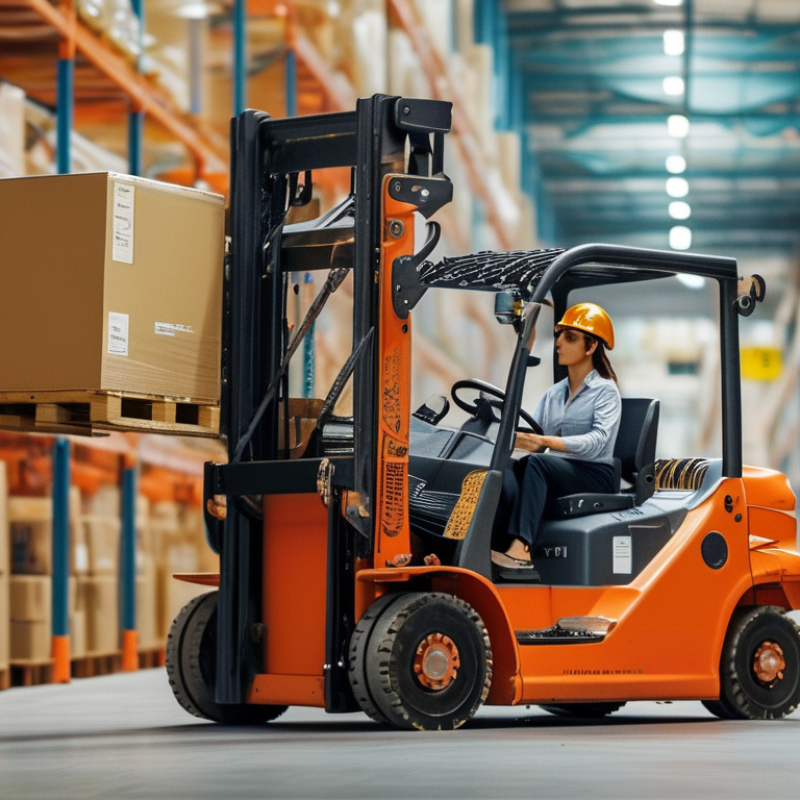
When it comes to material handling for global buyers, efficiency and safety are crucial. A recent report from the Material Handling Industry of America highlighted that proper handling techniques can reduce operational costs by up to 25%. Therefore, understanding the best practices is essential to achieving these savings.
Investing in training for employees is vital. According to industry studies, properly trained personnel are 60% less likely to have accidents. Training should focus on safe lifting techniques and proper use of equipment. Encourage hands-on practice as well. This approach not only reduces risks but also builds confidence among staff.
Regular maintenance of handling equipment is equally important. Companies that perform routine checks report a 30% decrease in machinery failure. Ensuring that forklifts and conveyors are in top shape is essential for smooth operations. Document all checks and repairs to maintain accountability and trace potential issues.
Engaging technology can also enhance material handling. Automated systems have increased efficiency by over 40% in many warehouses. However, keep in mind that transitioning to automation requires a thoughtful approach. It may lead to temporary disruptions, so it's vital to have a well-structured implementation plan. Balancing innovation with practical concerns can lead to significant advancements in efficiency and safety.
Efficient material handling is crucial for every global buyer. Understanding its impact on supply chain costs can lead to significant savings. When materials are managed well, it reduces delays and minimizes operational bottlenecks. For instance, using automated systems can streamline processes, but these solutions may have high upfront costs.
Inadequate handling can create chaos. Misplaced items waste time and labor. Companies often overlook how small inefficiencies can add up. A simple error in inventory management can lead to overstocking or stockouts. This not only increases costs but also affects customer satisfaction.
Investing in employee training can improve handling techniques. Employees familiar with proper procedures work faster and safer. However, organizations sometimes hesitate to allocate resources for ongoing training. Balancing costs with efficiency can be a daunting task. Recognizing both the value and the risks is essential for any buyer aiming to optimize their supply chain.
Evaluating automation technologies is crucial for enhancing material handling efficiency. Businesses are increasingly turning to these technologies to streamline operations. Automated guided vehicles (AGVs) and robotic arms are examples of tools that can optimize the movement of goods. These solutions reduce labor costs and minimize errors. However, assessing their effectiveness requires careful consideration.
One key factor is integration with existing systems. New technologies must seamlessly interact with current processes. This ensures minimal disruption during implementation. Additionally, understanding the specific needs of your operation is vital. Sometimes, the most advanced solution may not be the best fit. It's important to reflect on whether the technology aligns with business goals and improve overall performance.
Pilot programs can provide valuable insights. Before full-scale implementation, testing in a controlled environment helps identify potential challenges. Gathering feedback from employees who will use the technology is essential. Their experiences can highlight unforeseen issues. Lastly, staying informed about advancements in automation ensures that your business remains competitive. The landscape is constantly evolving, and adapting is key to continued success.
When selecting reliable material handling equipment, it’s crucial to prioritize safety and durability. Assess the equipment’s design for potential risks. A poorly designed piece can lead to accidents, resulting in injuries or loss. Look for equipment that features safety attributes, such as emergency stop buttons and ergonomic handles. It’s important that the equipment meets safety standards specific to your region. Take time to verify that a product has been thoroughly tested before making a purchase.
The operational environment significantly impacts your choice. Heavy-duty equipment might seem optimal but can be excessive in lighter operations. Conversely, lightweight options may not withstand rigorous use in harsh environments. Examine the material handling equipment under real-world conditions if possible. Talk to users who have experience with the equipment you are considering. Their feedback can highlight potential shortcomings. A piece of equipment that looks great on paper might fail in practice.
Budget constraints often cloud judgment. It’s tempting to choose the cheapest option available, but this can lead to higher costs in the long run. Expect to invest in quality products that offer reliability. Conduct regular reviews of your equipment's performance. This fosters a culture of continuous improvement. Learn from any challenges faced. Every piece of equipment has its limits. Recognizing this can prevent issues before they escalate. Understanding these nuances contributes to better decision-making.
Safety standards in material handling are essential for global buyers. These standards protect workers and reduce accidents. According to the Occupational Safety and Health Administration (OSHA), more than 20,000 injuries occur each year in material handling operations. Comprehensive assessments of safety standards help identify risks and improve compliance.
In recent years, there has been a significant shift toward adopting global best practices. The International Organization for Standardization (ISO) plays a key role here. ISO 45001 outlines requirements for occupational health and safety management systems. Organizations adhering to this standard can significantly lower workplace incidents. Yet, many still struggle with implementation.
Compliance is not just about meeting standards. It requires ongoing training and awareness. A report from the National Safety Council indicates that over 70% of injuries are preventable through proper training and safety protocols. Buyers must prioritize these elements when selecting suppliers. Finding vendors committed to safety standards can be challenging but essential for long-term success.
Data analytics has transformed material handling in ways that are both innovative and challenging. As global buyers, understanding these insights can lead to smarter decision-making. Data helps identify patterns in operations. It reveals where inefficiencies exist and suggests areas for improvement. However, data alone doesn’t solve problems. It requires skilled interpretation to extract actionable insights.
Implementing data-driven strategies means recognizing the importance of accuracy. Errors in data collection can misguide decisions. It’s essential to ensure that data sources are reliable. Some companies overlook the need for regular updates to their data systems, which may result in outdated insights. Furthermore, integrating data from various sources can be complex. It demands collaboration across departments, which isn’t always easy.
The human element is equally important in this process. Employees must be trained to understand and utilize data. Many workers feel intimidated by analytics tools, which can hinder effective usage. Encouraging a culture that embraces data can be beneficial. Creating feedback loops allows teams to reflect on outcomes and adjust strategies. Continuous learning from data and assessing its impact is essential for ongoing success in material handling.
| Tip | Description | Data Analytics Application | Expected Outcome |
|---|---|---|---|
| 1. Automate Processes | Implement automation for routine material handling tasks. | Use predictive analytics to identify tasks suitable for automation. | Increased efficiency and reduced labor costs. |
| 2. Optimize Inventory Levels | Maintain optimal inventory to avoid overstock and stockouts. | Analyze inventory turnover rates to adjust stock levels. | Improved cash flow and customer satisfaction. |
| 3. Invest in Training | Regularly train staff on best practices and equipment usage. | Use performance analytics to identify training needs. | Increased safety and productivity. |
| 4. Use the Right Equipment | Select equipment tailored to your handling needs. | Analyze equipment usage data to optimize selection. | Enhanced operational efficiency. |
| 5. Monitor Performance Metrics | Track key performance indicators (KPIs) regularly. | Leverage data dashboards to visualize metrics. | Timely adjustments for optimal performance. |
| 6. Implement Safety Protocols | Establish robust safety measures for handling materials. | Utilize incident data to enhance safety training. | Reduced workplace accidents. |
| 7. Foster Communication | Encourage open communication among teams. | Analyze feedback data to improve processes. | Enhanced collaboration and faster decision-making. |
| 8. Utilize Vertical Space | Maximize vertical storage capabilities. | Evaluate space utilization data to design layouts. | Increased storage efficiency. |
| 9. Schedule Regular Maintenance | Conduct maintenance checks on equipment frequently. | Monitor equipment performance data to schedule maintenance. | Minimized downtime and extended equipment life. |
| 10. Embrace Continuous Improvement | Foster a culture of continuous evaluation and improvement. | Utilize trend analysis to guide process enhancement. | Sustained operational excellence. |
: Proper training reduces accident chances by 60%. It promotes safe lifting techniques and equipment use.
Routine checks can lead to a 30% decrease in machinery failure. Proper maintenance is crucial for smooth operations.
Technology enhances efficiency. Automated systems can increase productivity by over 40% in warehouses.
Integration with existing systems is key. New technologies must mesh with current processes to avoid disruptions.
Pilot programs help identify challenges in a controlled setting. They provide valuable insights and feedback from users.
Businesses must evaluate if technology meets their specific operational needs. The most advanced solution isn't always the best fit.
Transitioning to automation can cause temporary challenges. A well-structured plan is essential to manage this change smoothly.
Documenting checks and repairs ensures accountability and helps trace potential issues in equipment management.
Focusing solely on advanced features can ignore practicality. Reflecting on real operational needs is equally important.
Staying informed about technological advancements is vital. Adapting to changes ensures ongoing success in a competitive landscape.
In the article "Top 10 Material Handling Tips for Global Buyers," the focus is on the critical role of efficient material handling in reducing supply chain costs. The discussion highlights the importance of evaluating automation technologies that can significantly enhance material handling efficiency. By adopting best practices for selecting reliable equipment, global buyers can streamline their operations and improve overall performance.
Additionally, the article emphasizes the necessity of assessing safety standards and compliance in global material handling, ensuring that operations align with regulations and best practices. Leveraging data analytics is another key strategy presented, as it enables improved decision-making regarding material handling processes. Overall, these tips provide valuable insights for global buyers looking to optimize their material handling activities and enhance their supply chain operations.

Fangding Rack