Explore our industrial-grade storage configurations manufactured from heavy-duty cold-rolled steel, engineered for global distribution safety and density compliance.
In an era defined by macro-economic volatility, rapid e-commerce penetration, and shifting global supply chain corridors, warehouse storage is no longer classified as a passive static asset. Today, industrial storage infrastructure is recognized as a strategic pivot point directly impacting enterprise yield, order fulfillment speed, and supply chain continuity. As global real estate costs escalate, logistics centers must prioritize volumetric density, transforming traditional layout concepts into dynamic, multi-dimensional structures.
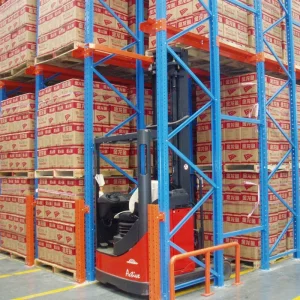
From the bustling logistics hubs of North America and Europe to the high-throughput nodes of Southeast Asia, industrial enterprises face a shared challenge: maximizing vertical storage capacity while maintaining strict workplace safety and structural compliance. Standard selective racking systems are rapidly evolving. Depending on the industry—be it Cold Chain logistics, Food and Beverage manufacturing, or Automotive sub-assembly storage—companies require distinct, specialized solutions ranging from High-Density Drive-in Racking to Automated Storage and Retrieval Systems (ASRS).
Sourcing industrial racking systems from global markets demands a rigorous evaluation of engineering standards. A system failing to meet load deflection thresholds or local seismic regulations introduces catastrophic operational risks. As a result, procurement executives prioritize exporters capable of combining rigorous steel processing, structural engineering competence, and cost-efficient delivery vectors.
China has emerged as the premier manufacturing epicentre for industrial storage solutions. This dominance is not simply a result of raw labor cost advantages; it is anchored in the structural sophistication of the nation's supply chain ecosystem.
First, raw material availability of high-grade steel (predominantly Q235B and Q345B steel grades) allows Chinese manufacturers to secure structural inputs with minimum yield strength variations. Second, the geographic clustering of auxiliary services—such as chemical surface treating, electrostatic powder coating lines, and automated packaging hubs—reduces logistical bottlenecks inside the manufacturing pipeline.
Furthermore, leading factories have deployed extensive automation, including robotic welding arms, CNC profile punch lines, and continuous roll-forming systems. This ensures dimensional accuracy down to fractions of a millimeter. In bulk industrial orders, this consistency means faster assembly times, predictable weight capacity tolerances, and long-term durability.
Selecting a storage system requires a deep understanding of the operating environment and workflow physics. A single racking style cannot satisfy the operational differences of a cold-storage facility, an e-commerce sorting center, or a construction supply depot. Here, we outline the primary industry adaptations of modern racking configurations:
| Racking Type | Core Application Scene | Space Optimization Ratio | Structural Key Requirements |
|---|---|---|---|
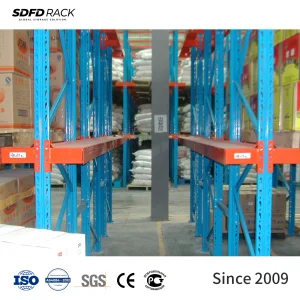
| Drive-In / Drive-Through | Cold Chain Storage & Food/Beverage Logistics | Up to 75% higher density compared to standard racks | High corrosion resistance (galvanized/heavy powder coat), LIFO/FIFO setup |
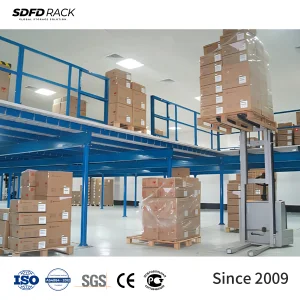
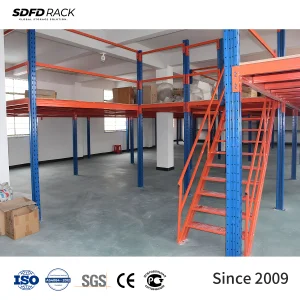
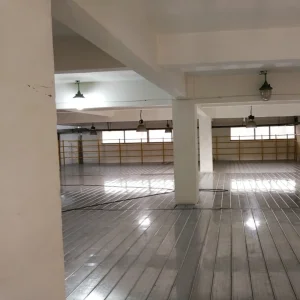
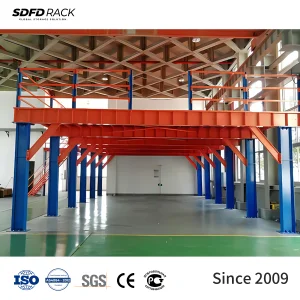
| Mezzanine Floor Platforms | E-commerce Fulfillment & Assembly Plants | Multiplies usable floor footprint 2x to 4x vertically | Q235B high tensile steel beams, stairways, structural columns, safety gates |
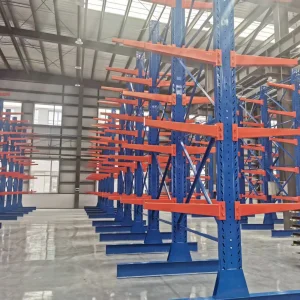
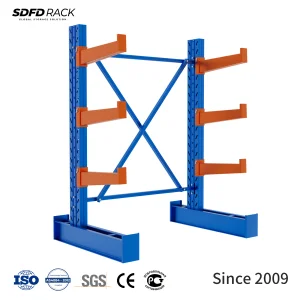
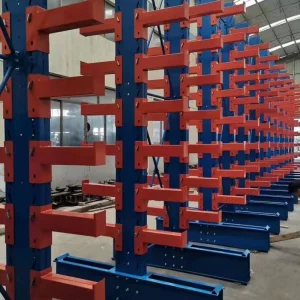
| Cantilever Racks | Lumber, Steel Bars, Piping, Building Materials | Maximizes horizontal handling of non-palletized goods | High-strength structural pins, adjustable load-bearing arms |
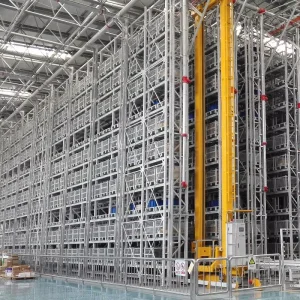
| ASRS Intelligent Systems | High-throughput distribution hubs & New Energy cell storage | Maximizes 3D volume, robotized inventory pathing | Millimeter-precise tolerance levels, integrated track systems |
For example, in Cold Chain storage, air circulation and floor space costs are extremely high. Racks must withstand temperatures down to -30°C without undergoing steel embrittlement. Standard paint finishes will crack and chip, exposing the raw iron to oxidization. Thus, specifying hot-dip galvanized finishes or high-adhesion powder coating systems is non-negotiable.
Conversely, E-Commerce fulfillment centers focus heavily on multi-SKU selection speed. Utilizing multi-tier mezzanine floor racking creates specialized picking paths for workers on foot while forklifts load bulk goods onto upper levels. This combination keeps pickers and heavy equipment segregated, enhancing warehouse safety ratios.
Operating a state-of-the-art 18,600㎡ facility with automated machinery, we enforce complete control over fabrication, assembly, and surface treatment processes.
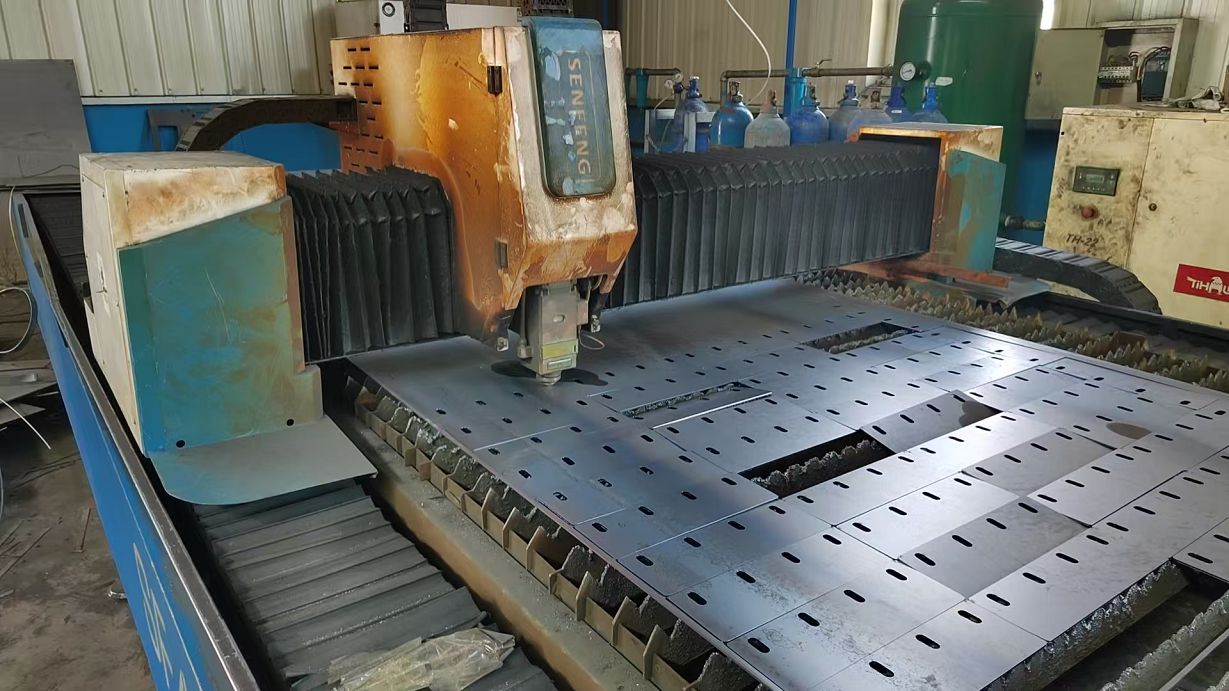
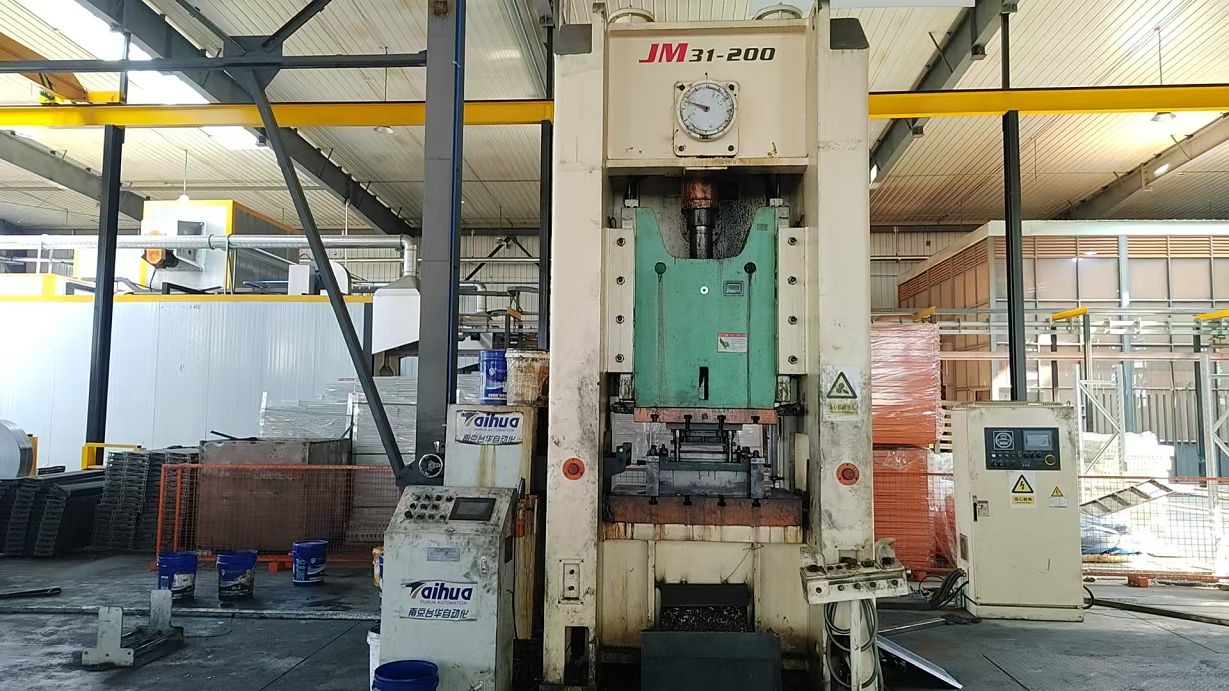
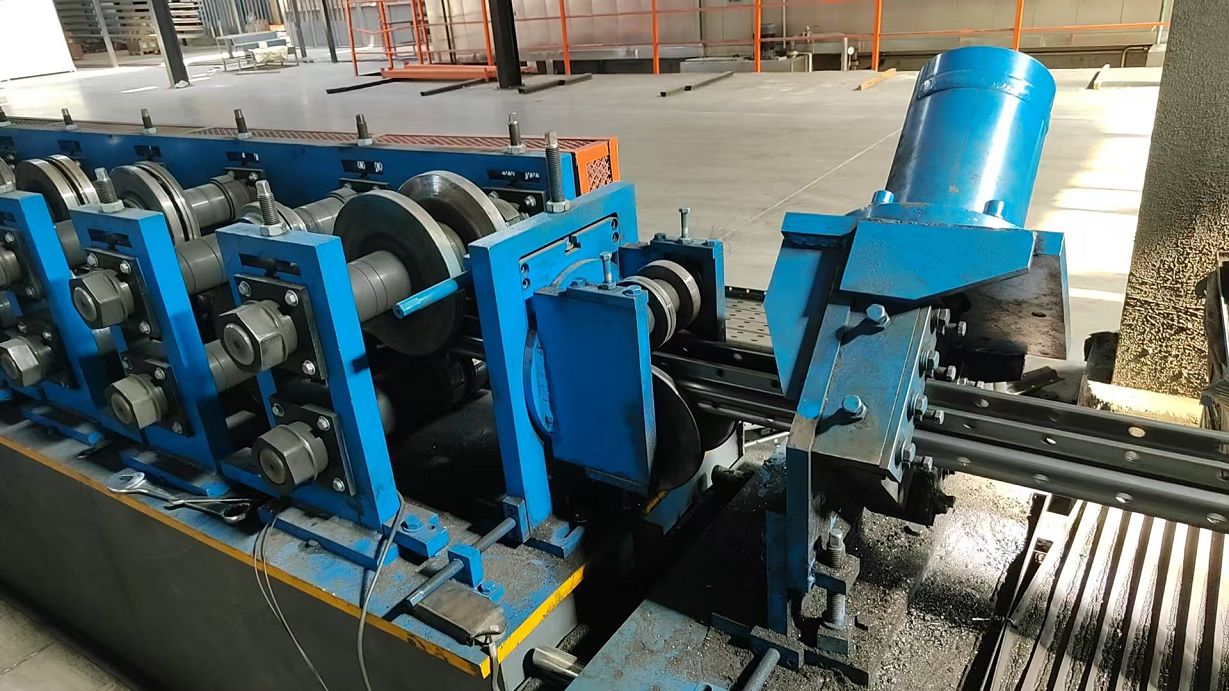
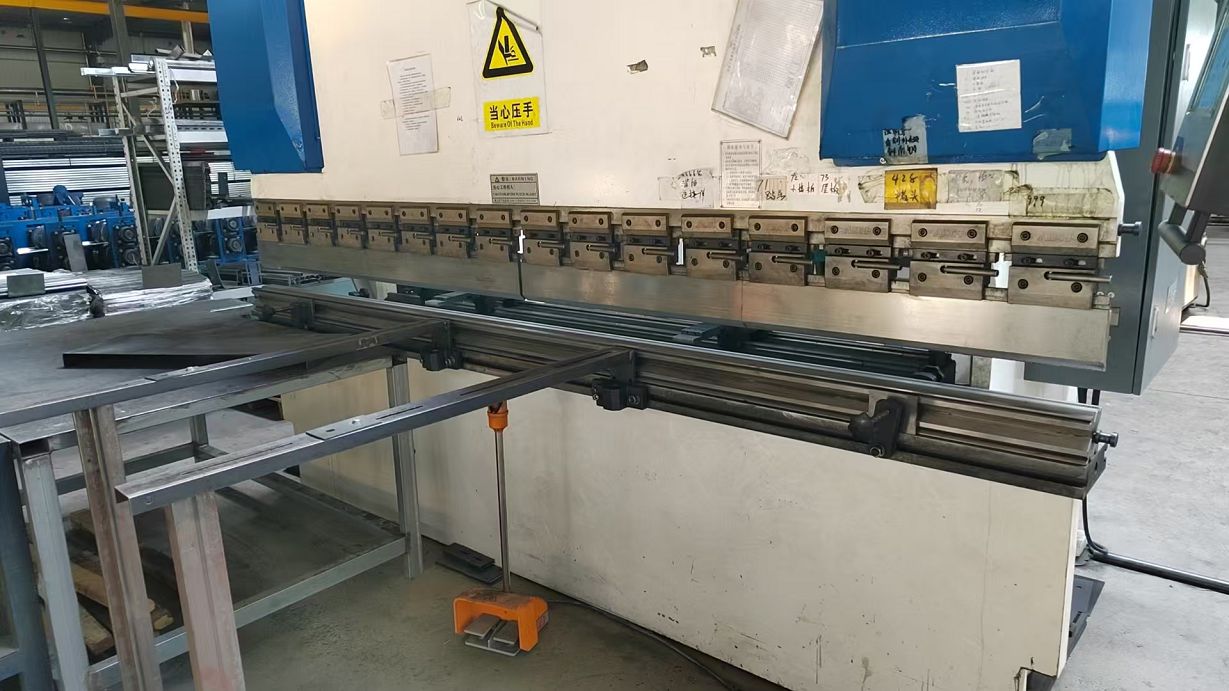
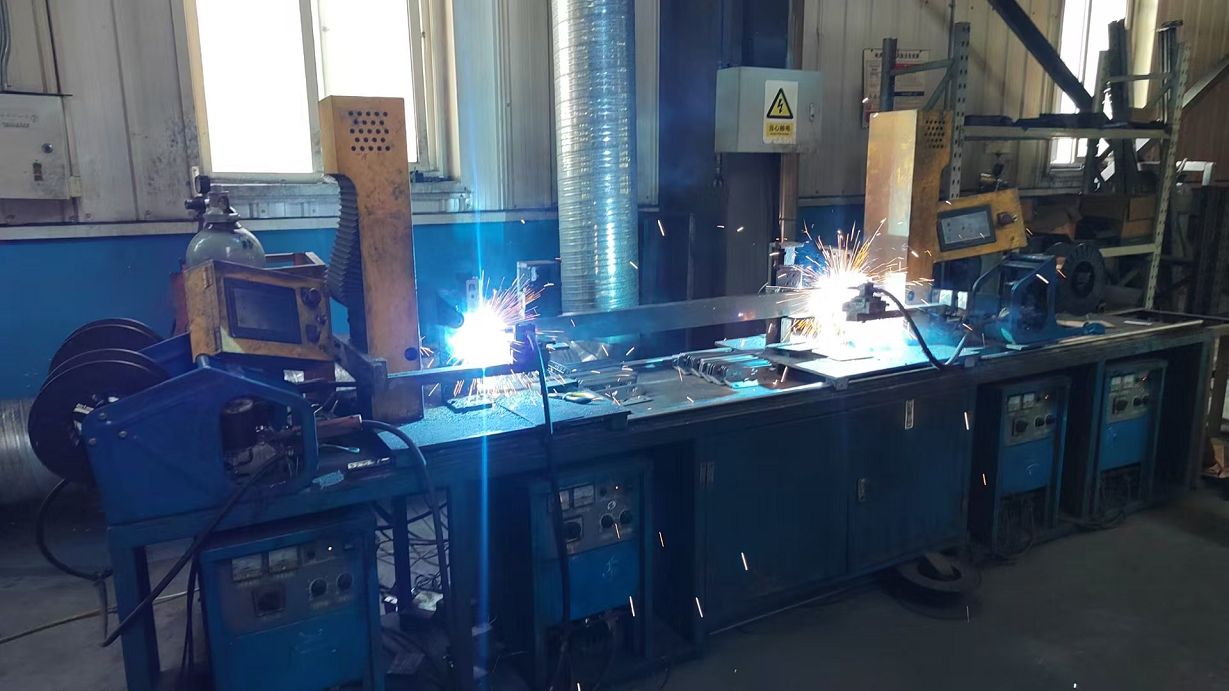
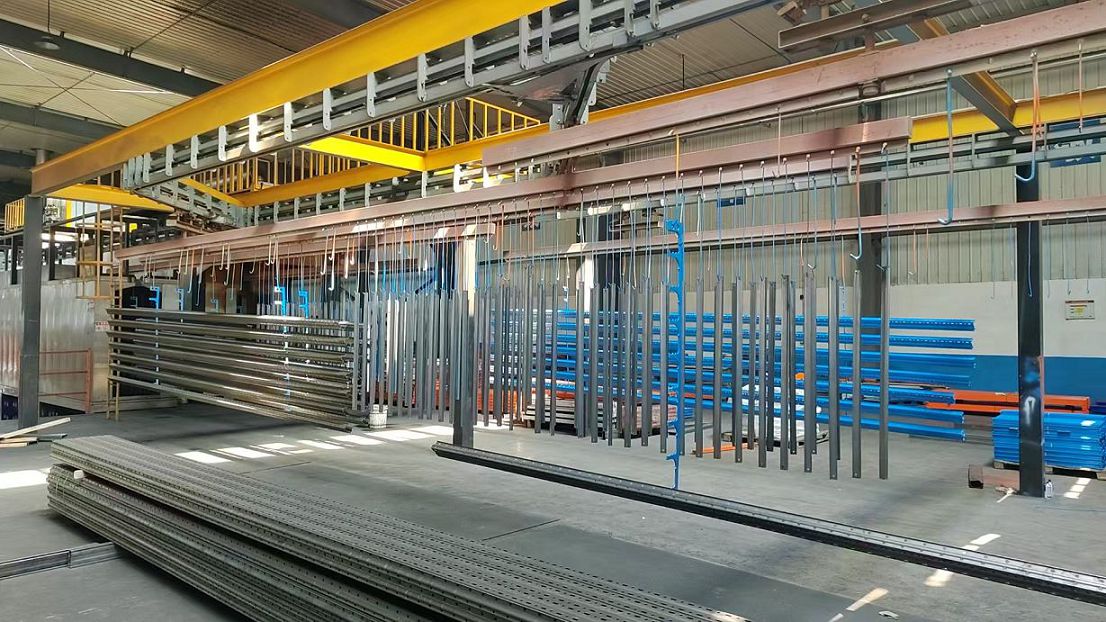
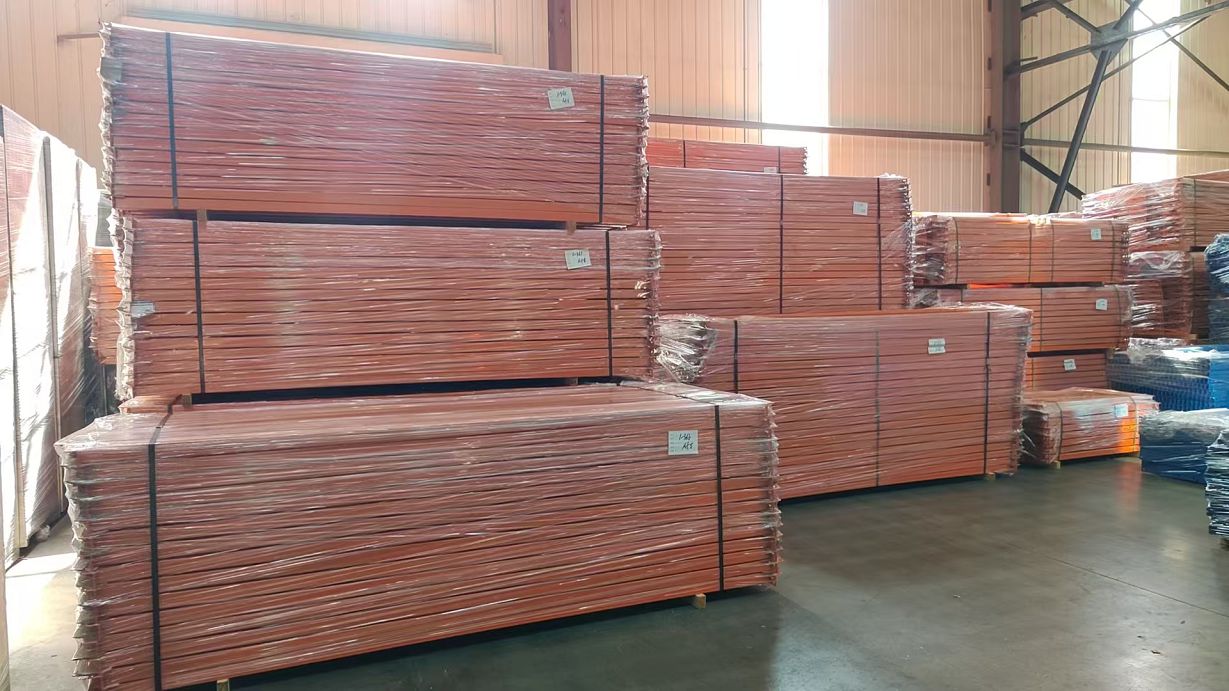
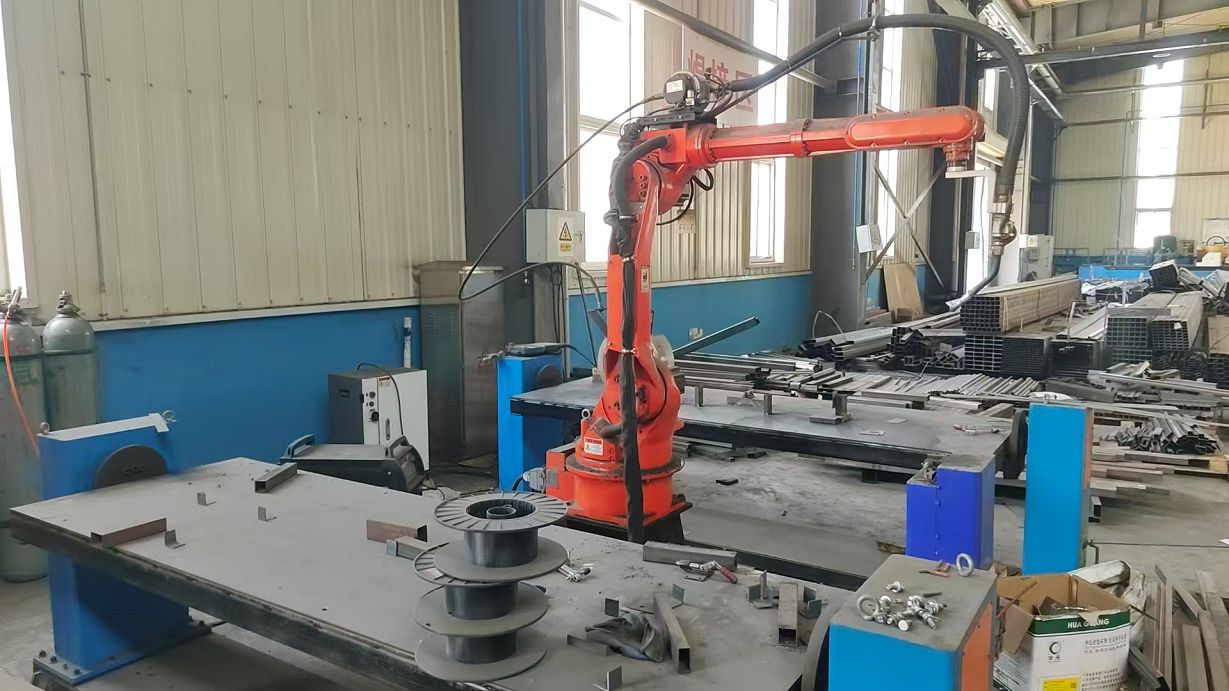
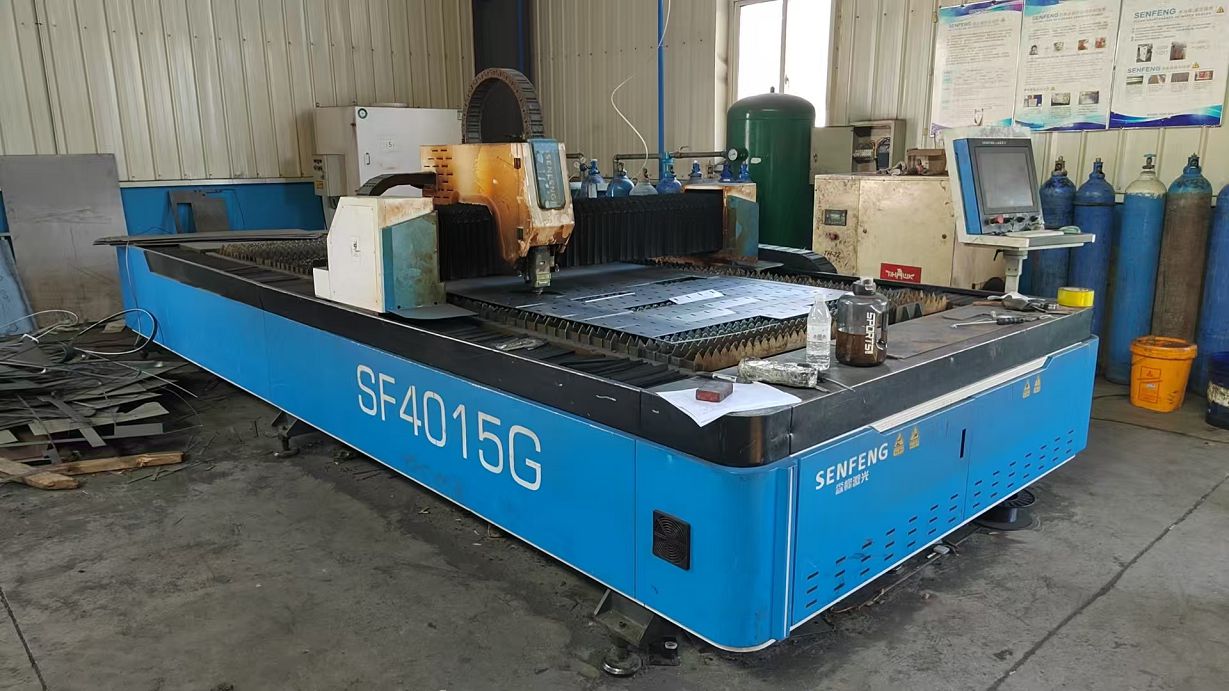
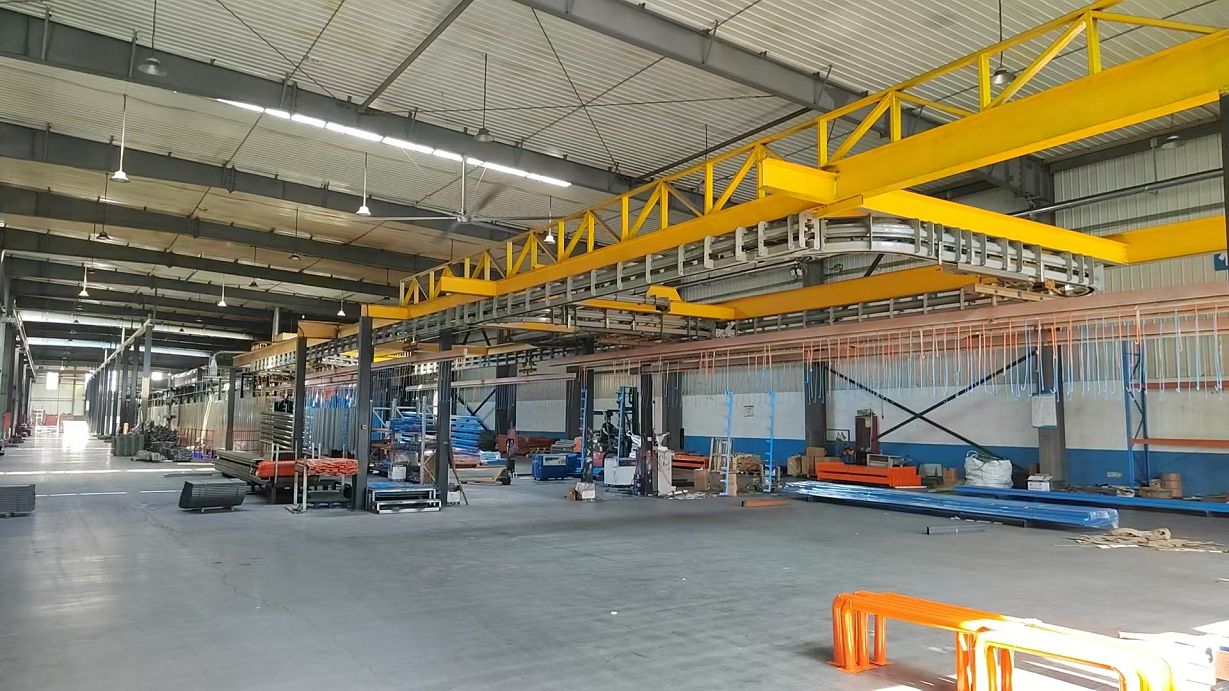
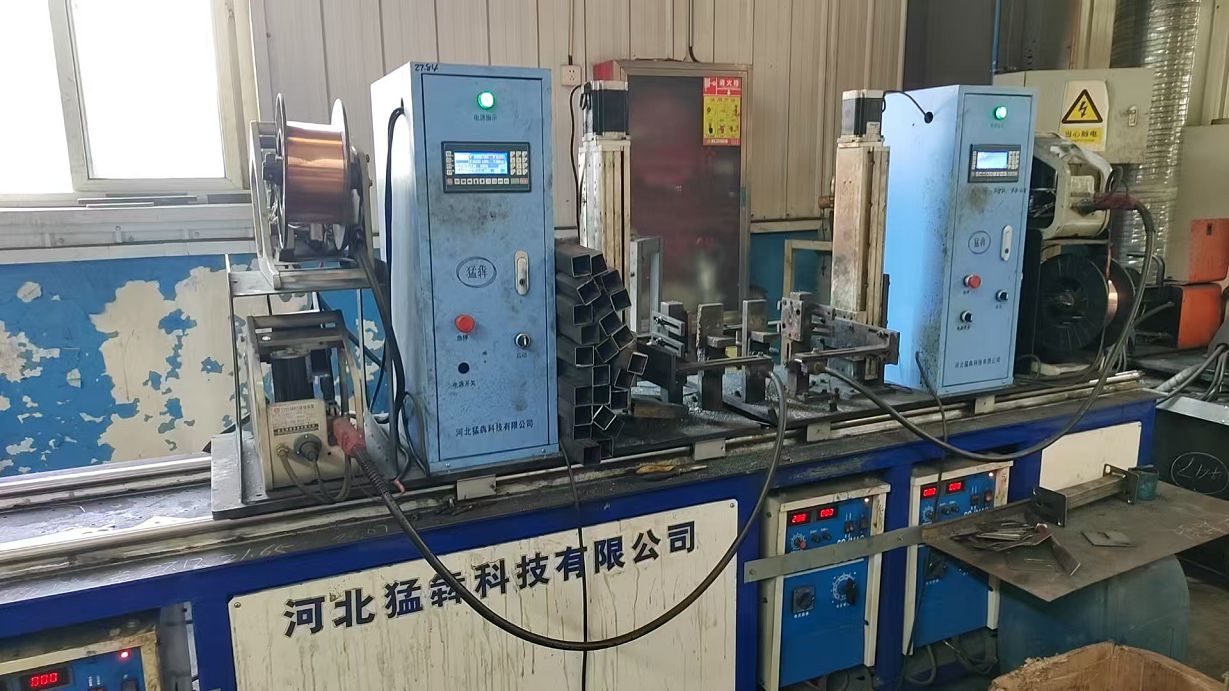
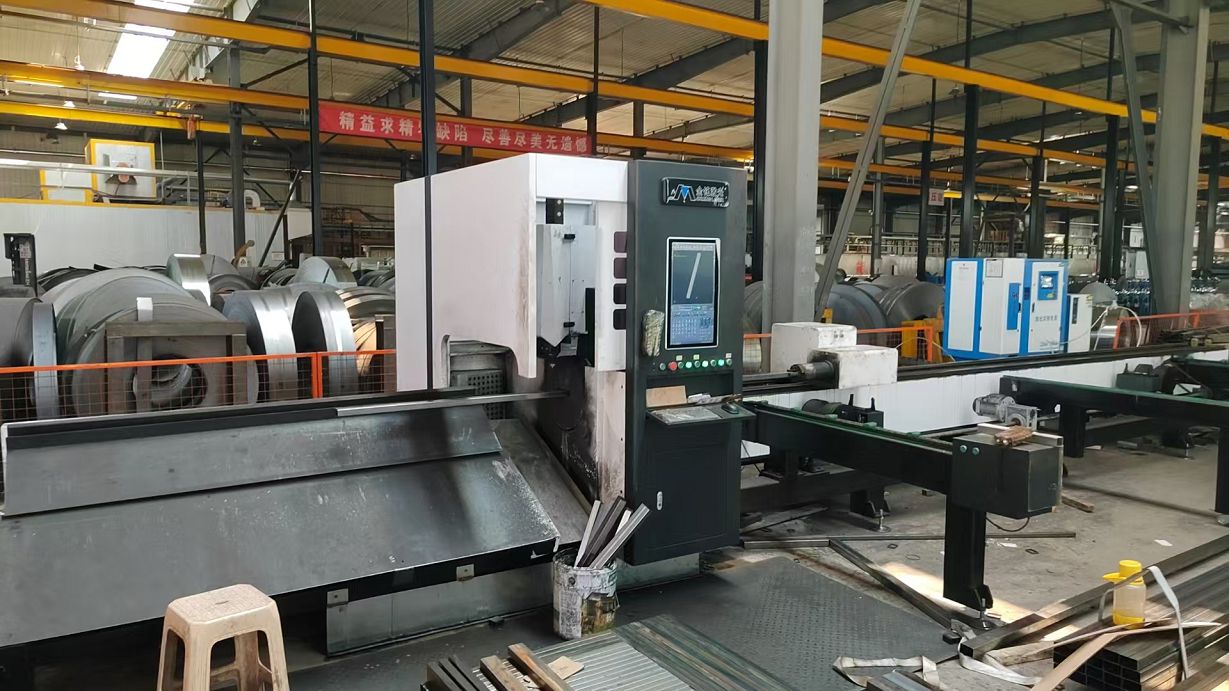
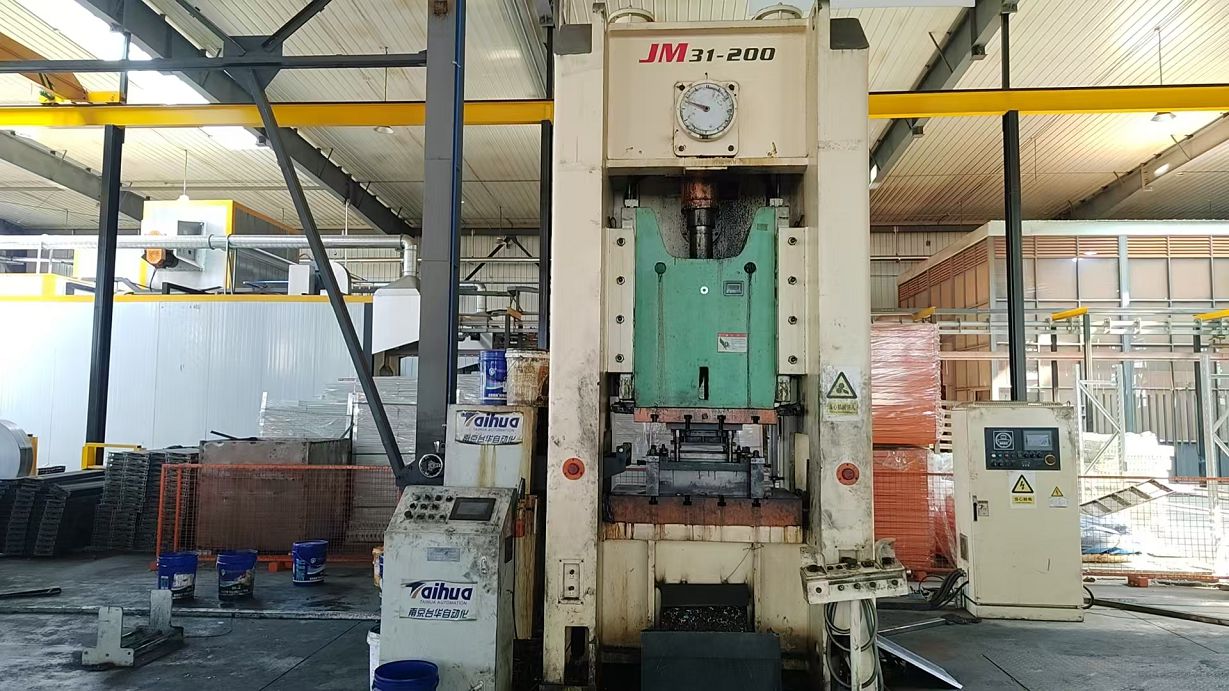
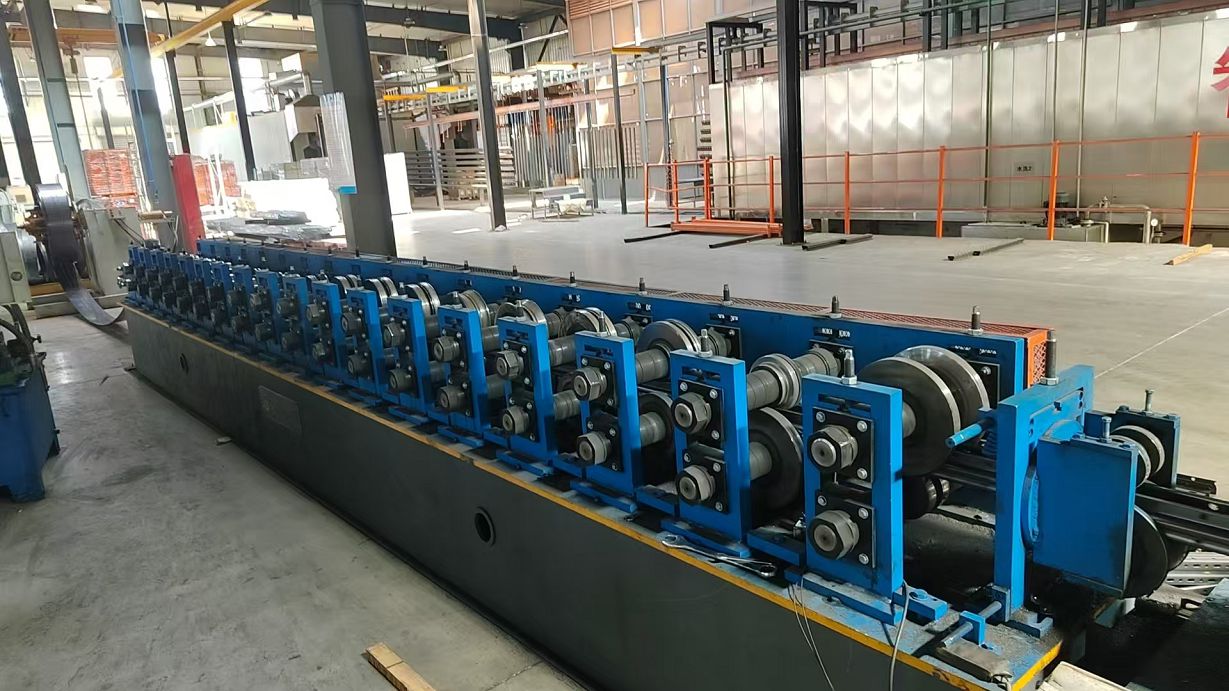
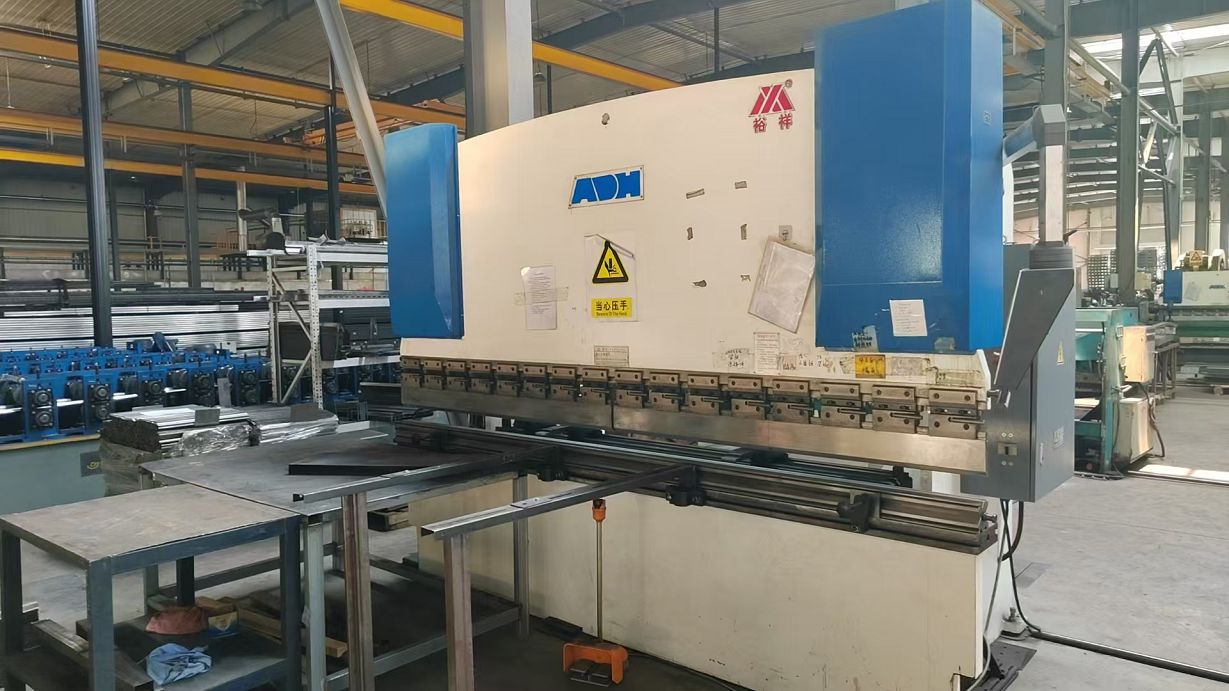
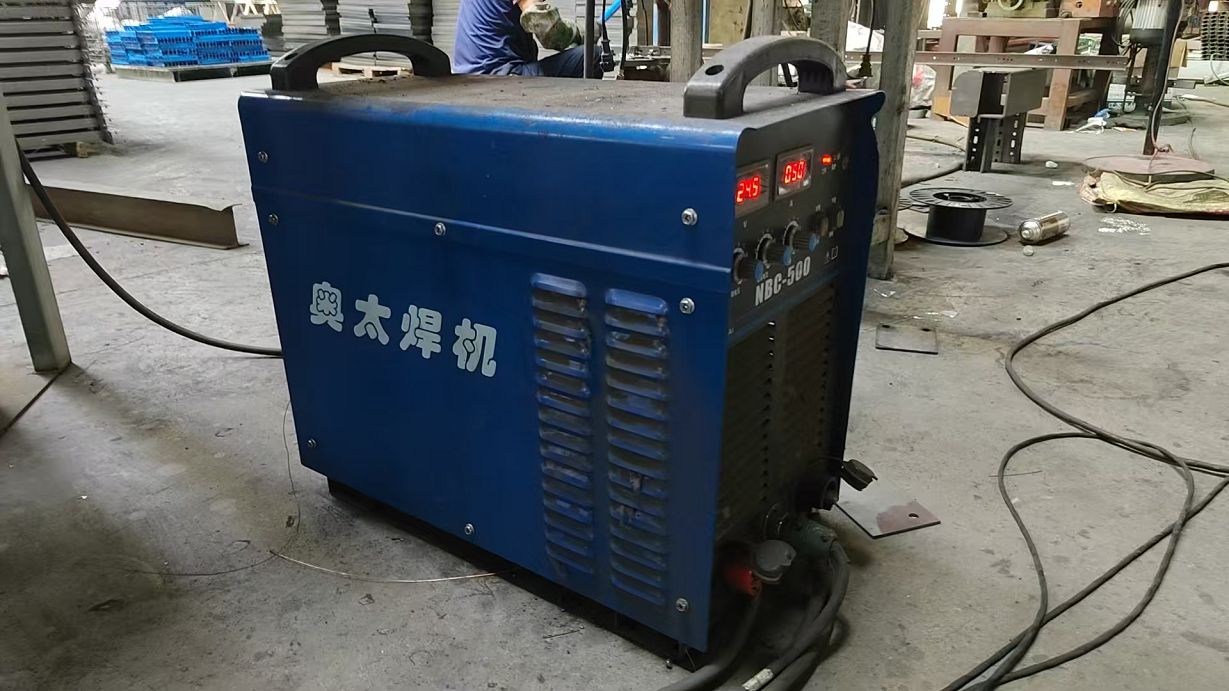
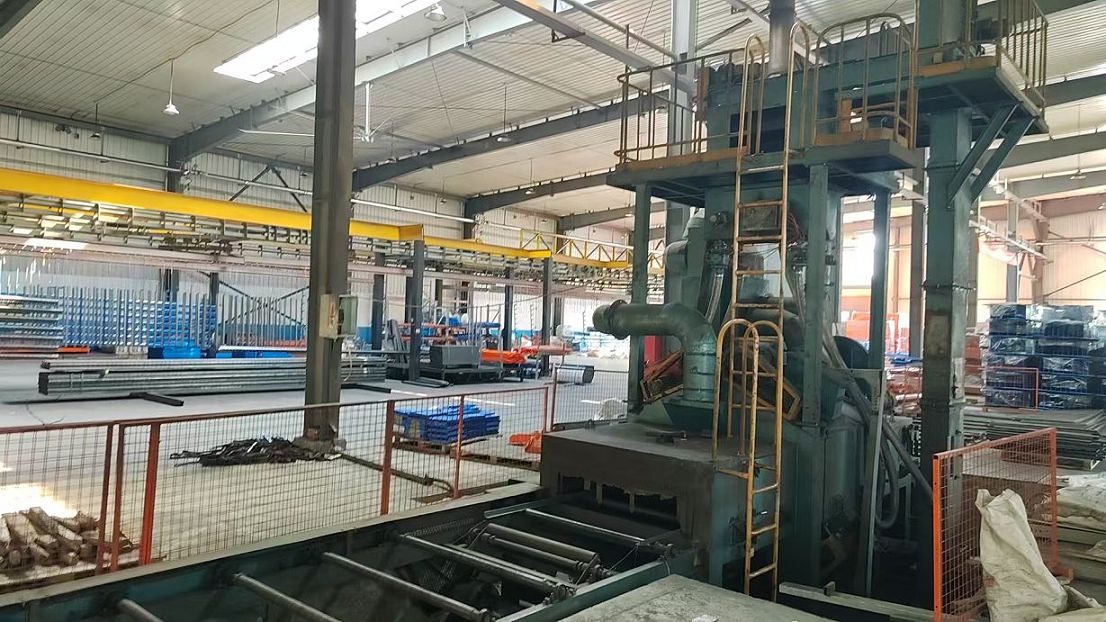
At Dongguan Fangding Warehousing Equipment Manufacturing Co., Ltd., we recognize that structural integrity directly affects workplace safety and business continuity. For this reason, we implement a rigorous quality assurance protocol that governs every phase of production. We ensure compliance with the following international structural testing and manufacturing standards:
Our dedicated Quality Control department comprises 42 experienced inspectors. Each production run is subjected to a comprehensive inspection routine: dimension verification, weld penetration checks (conforming to AWS standards), paint thickness measurement, and packaging security checks. We minimize the potential for field failure by testing raw material tolerance thresholds long before shipping containers leave our factory docks.
The modern industrial landscape is shifting away from static, off-the-shelf shelving. With the integration of logistics tracking software and automated handling equipment, racking structures must adapt to precise height clearances, robot interface clearances, and automated guidance pathways. As a recognized OEM & ODM manufacturer, Fangding addresses this need through a specialized R&D department consisting of 58 structural engineers.
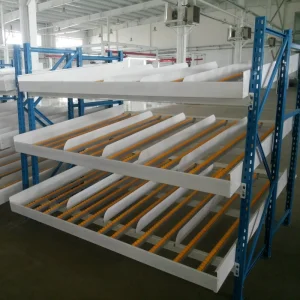
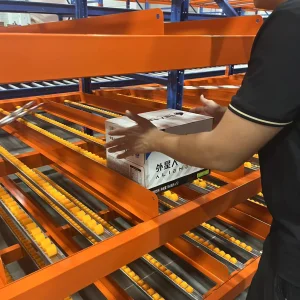
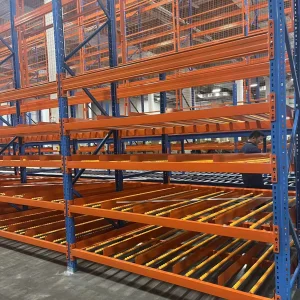
We design customized warehouse solutions using structural simulation tools to evaluate load conditions, seismic vulnerabilities, and potential forklift collision zones. Every year, we introduce over 95 new products and design improvements. These innovations include adjustable heavy-duty cantilever systems with pivot connectors, structural boltless connections for faster assembly, and gravity-flow roller beds that improve picking speeds in high-volume fulfillment environments.
Expert answers addressing the technical, structural, and logistical questions of international buyers sourcing commercial racking systems.
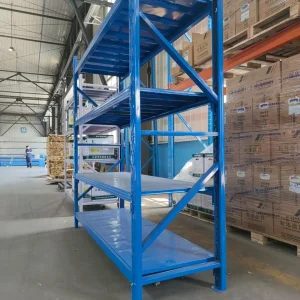
Explore our selection of industrial warehouse shelving, mezzanine configurations, and automated storage products.
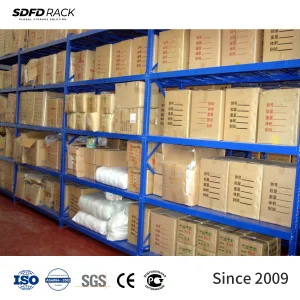
 Fangding Rack