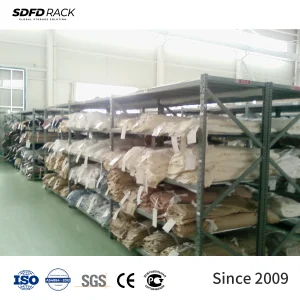
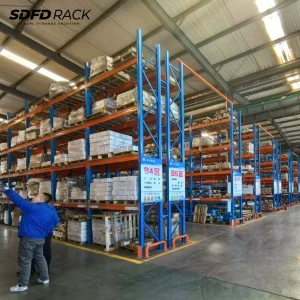
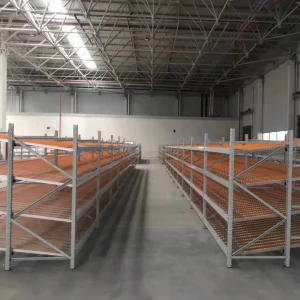
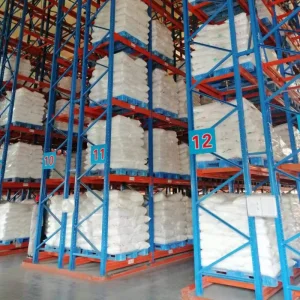
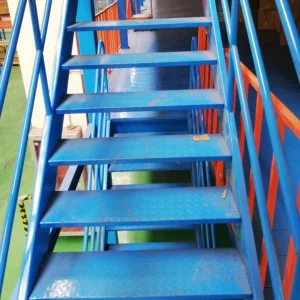
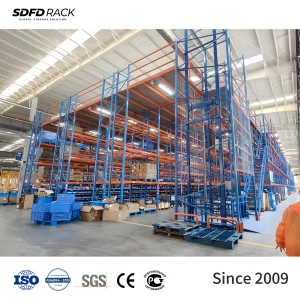
Factory-direct storage carts, pallet racking and custom warehouse infrastructure for distributors, importers, engineering contractors, logistics operators and industrial end users. Engineered in Dongguan, China, with export experience across North America, Europe, Southeast Asia, Australia and the Middle East.
These eight systems reflect the demand patterns global buyers most often bring to warehouse equipment suppliers: dense pallet storage, cantilever handling for long goods, multi-level mezzanine expansion, medium-duty shelving, food-processing safety and adjustable industrial racking.
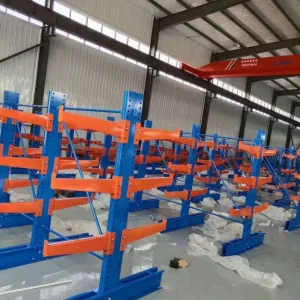
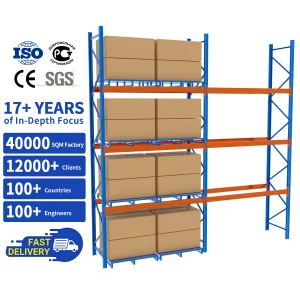
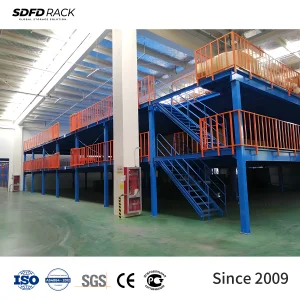
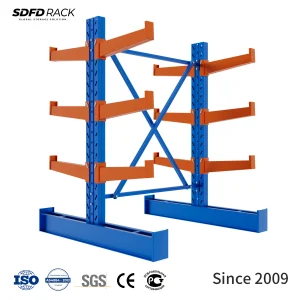
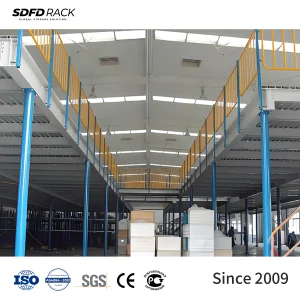
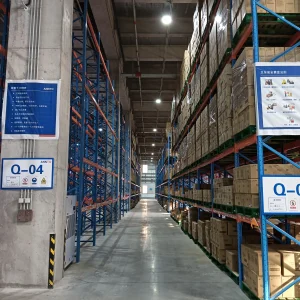
Facts matter in high-value storage infrastructure procurement. These figures are retained from Fangding's original company profile and supported by factory process evidence later on this page.
The original company profile is retained below in full and forms the factual foundation for the expanded procurement analysis in this guide.
Dongguan Fangding Warehousing Equipment Manufacturing Co., Ltd. is a professional warehouse racking manufacturer specializing in the design, production, and supply of industrial storage systems for global customers. Since its establishment in 2016, the company has been committed to delivering durable, space-efficient, and cost-effective storage solutions for warehouses, logistics centers, factories, retail facilities, and distribution hubs.
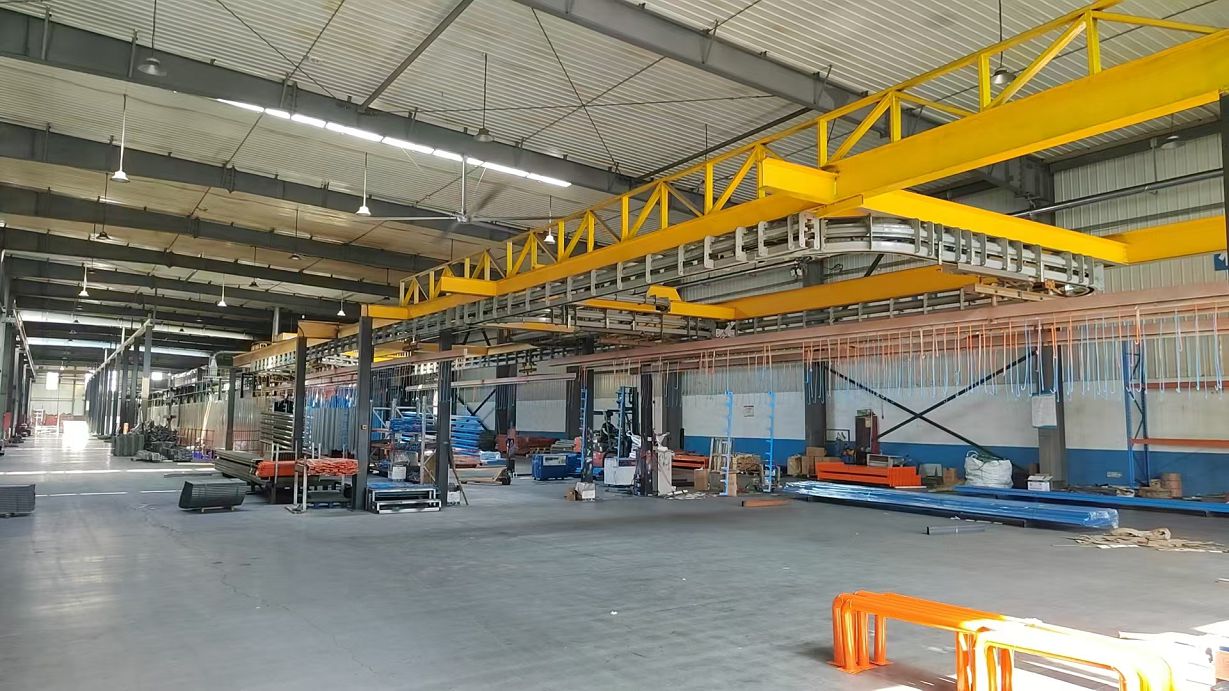
Operating from a modern manufacturing facility covering 18,600㎡, Fangding integrates advanced production equipment with strict quality management to ensure every product meets international standards. Our product portfolio includes selective pallet racking, heavy-duty warehouse racks, long-span shelving, cantilever racking, mezzanine systems, drive-in racking, steel platforms, and customized storage solutions designed for different industries.
With over 8 years of export experience and 14 years of industry expertise, Fangding has established long-term partnerships with customers across North America, Europe, Southeast Asia, Australia, and the Middle East. The company's annual export revenue exceeds US$18 million, supported by efficient manufacturing, reliable logistics, and responsive customer service.
Quality is at the core of our manufacturing process. Every product undergoes 100% quality inspection, including load capacity testing, dimensional inspection, welding quality inspection, powder coating adhesion testing, and packaging inspection. Our dedicated quality control department consists of 42 experienced inspectors who ensure consistent product performance before shipment.
As an OEM & ODM manufacturer, Fangding offers comprehensive customization services, including rack dimensions, load capacities, colors, structural designs, and warehouse layout planning. Backed by a professional R&D team of 58 engineers, the company launches over 95 new products and design improvements every year to meet the evolving needs of modern warehousing.
Today, Fangding collaborates with more than 1,150 supply chain partners and serves warehouse equipment distributors, importers, wholesalers, engineering contractors, logistics companies, retailers, and industrial end users worldwide. Combining innovative engineering, dependable quality, and competitive factory-direct pricing, Fangding continues to provide efficient storage solutions that maximize warehouse space and improve operational efficiency for customers around the globe.
Global buyers are no longer purchasing steel alone. They are buying throughput, traceability, space density, regulatory confidence and supply-chain resilience. These trends explain why storage cart and racking specifications are becoming more engineering-led.
AMRs, AGVs, goods-to-person systems and digital picking workflows depend on predictable cart footprints, stable rolling performance, clear labeling and rack interfaces that reduce handoff friction. Buyers increasingly ask whether storage carts can integrate with existing WMS, barcode and picking-cart routines.
Urban land costs and distribution-center rents push warehouses upward and inward. Mezzanine systems, multi-tier racking, very narrow aisle layouts, carton flow and shuttle racking help convert cubic space into productive storage without moving to a larger building.
European and export-oriented buyers expect more than a certificate image. They need drawings, material specifications, load assumptions, welding checks, coating reports, packaging records and declarations that align with the product configuration and destination market.
Smaller order profiles, faster replenishment and higher SKU counts create demand for carton flow racks, picking shelves, adjustable medium-duty racks and modular cart systems that support high-frequency access without sacrificing safety.
Powder coating adhesion, surface preparation and repairability directly affect maintenance cost and service life. Steel racking and storage carts are highly recyclable, and buyers increasingly evaluate total life-cycle value rather than the lowest initial quote.
Automated cutting, punching, bending, welding, shot blasting and coating lines improve consistency and shorten changeover time. Combined with multi-port export logistics and OEM/ODM engineering, these capabilities support buyers seeking a resilient China-based supply partner.
Procurement teams rarely move directly from keyword research to a purchase order. They validate compliance, compare structural transparency, audit production capability, confirm customization flexibility, review export packaging and then compare total cost of ownership. This is the practical search-intent path behind high-value storage cart and racking inquiries.
CE marking is configuration-specific. Serious buyers ask which directive applies, which standards are referenced, whether load testing is traceable, and whether the supplier can provide drawings, inspection records and declaration support before shipment.
Rack and cart quotations should state load assumptions, material thickness, beam and upright specifications, shelf surfaces, foot protection and intended duty cycle. Ambiguous load claims are a warning sign in industrial storage procurement.
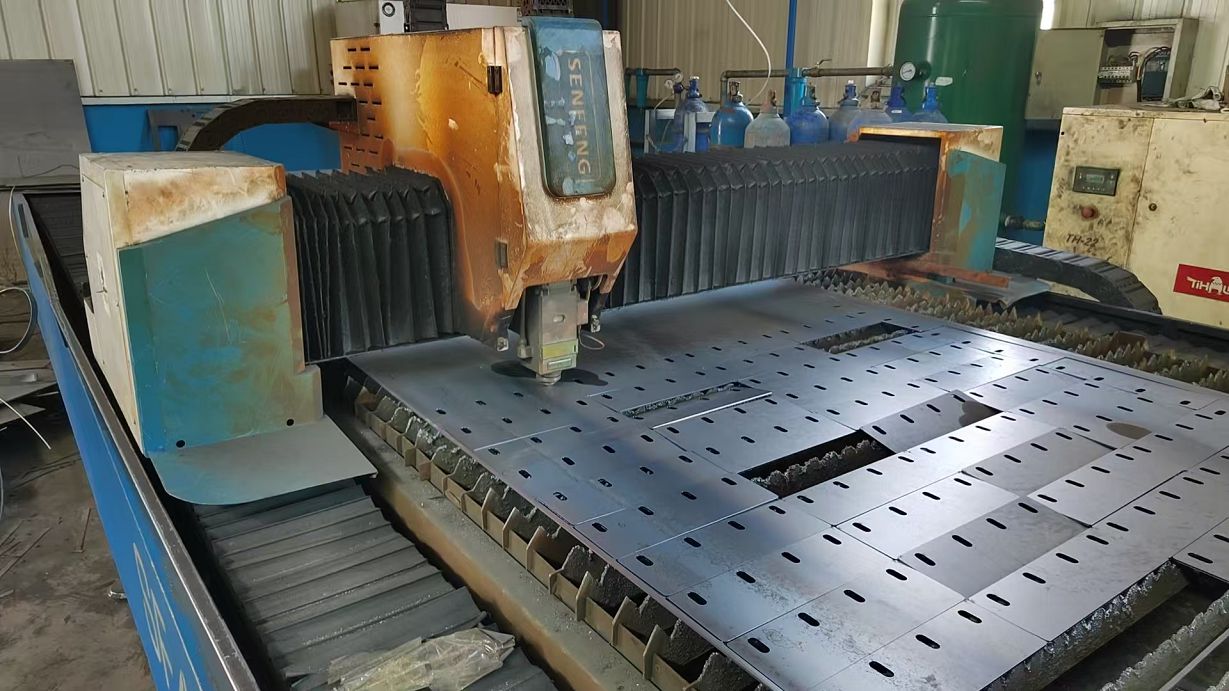
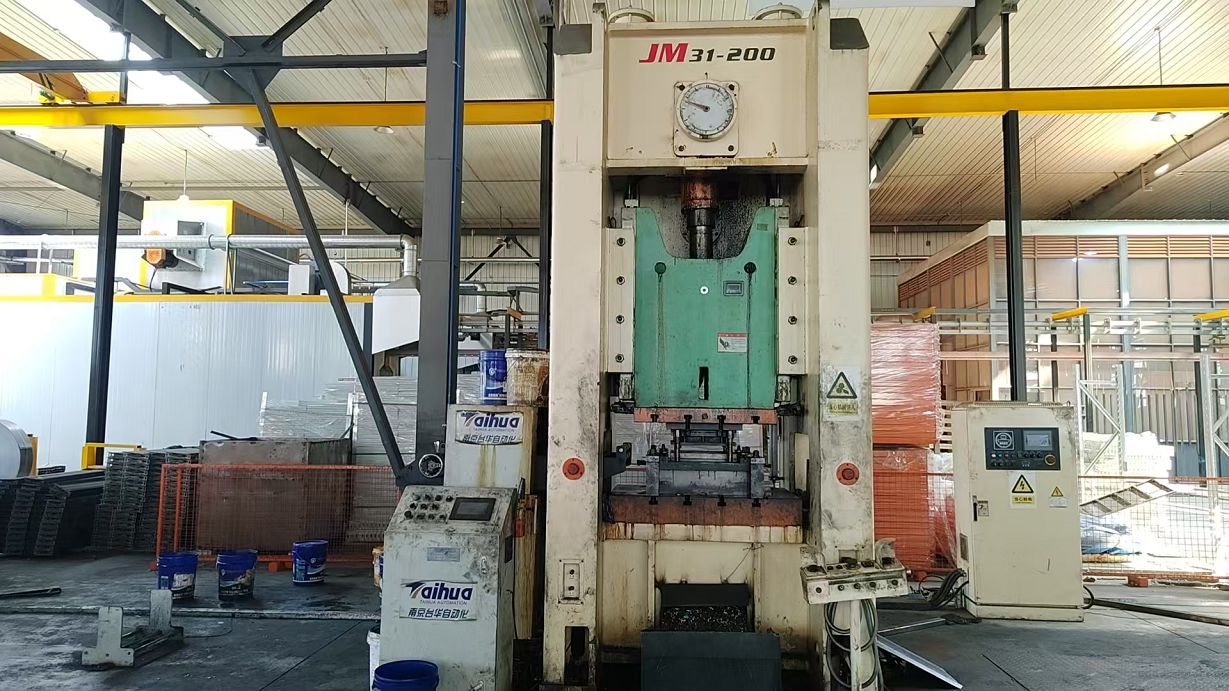
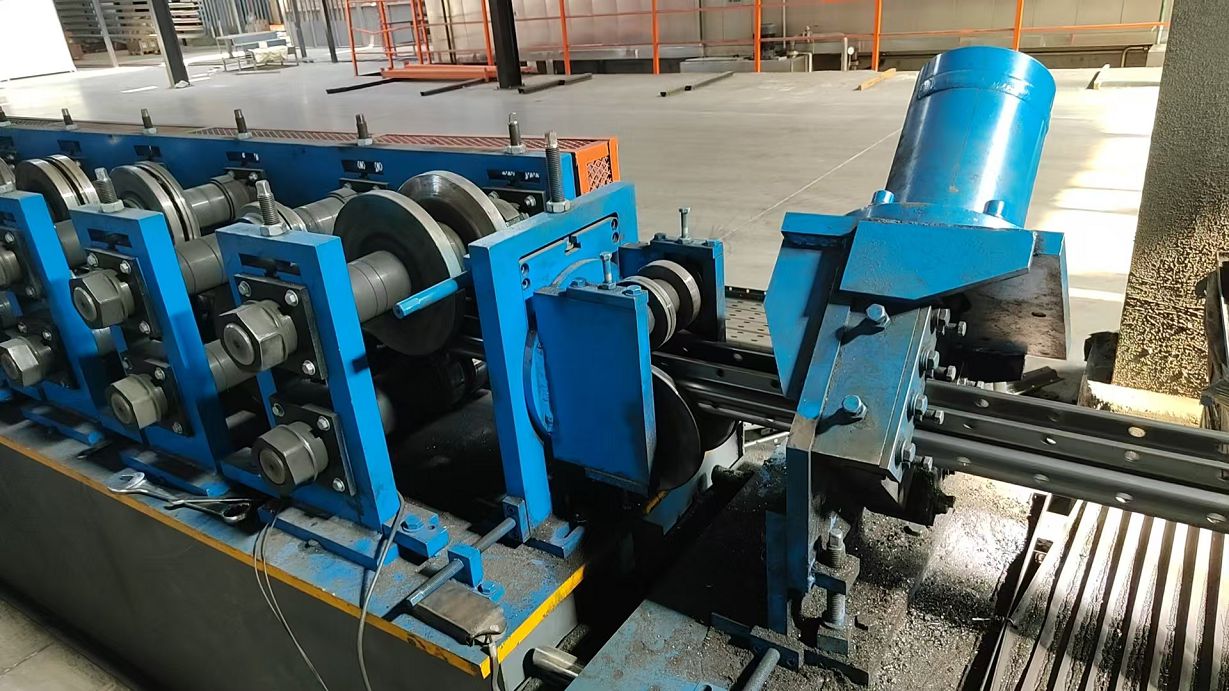
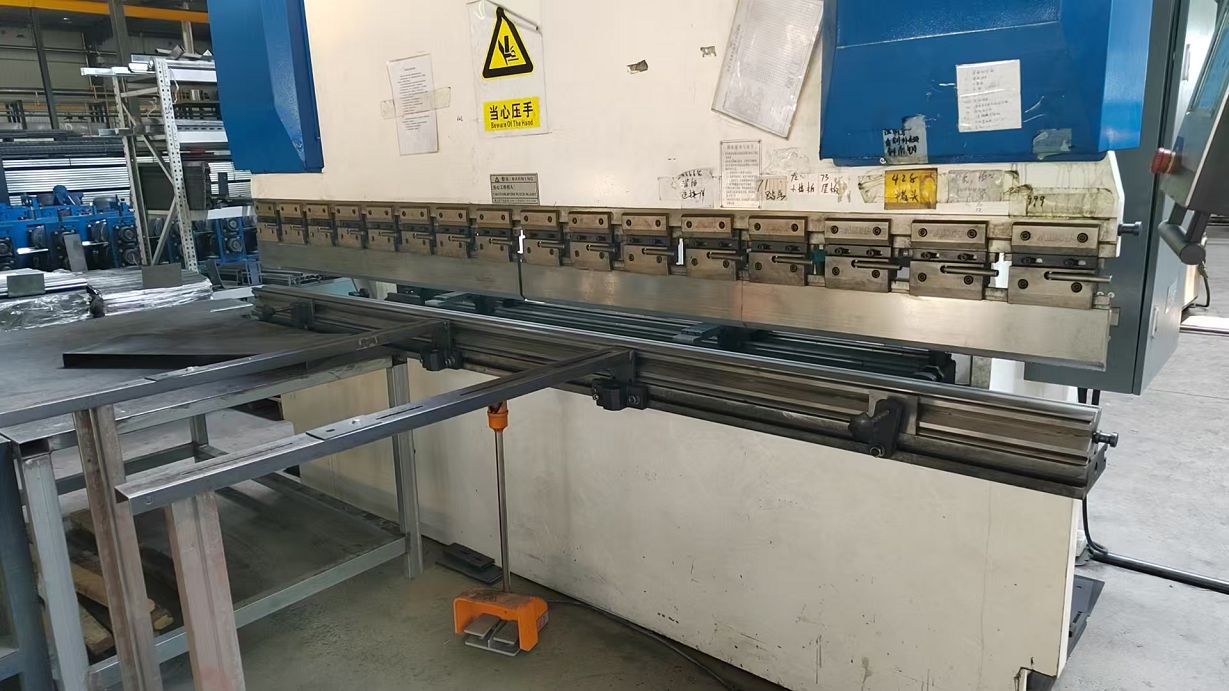
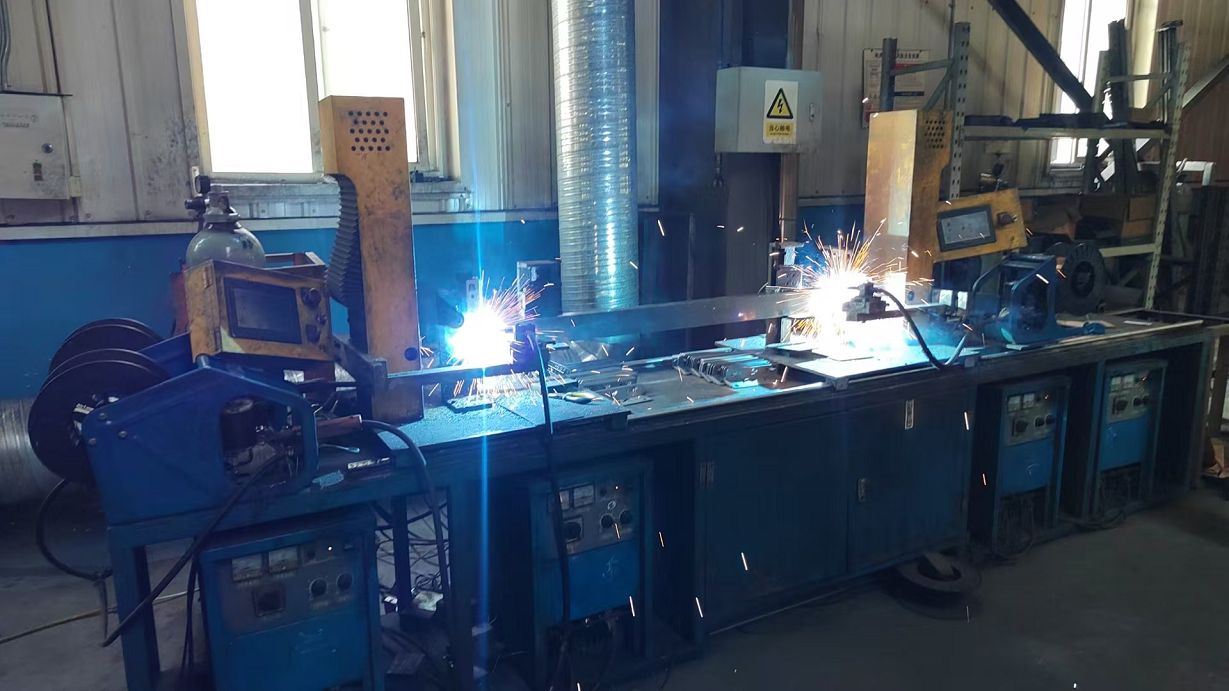
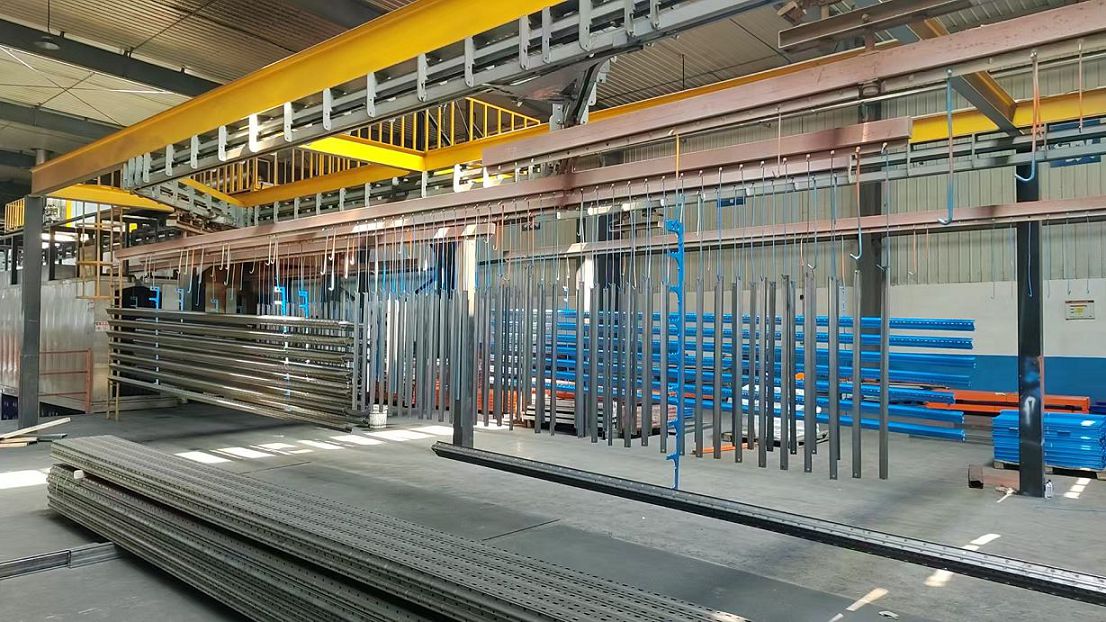
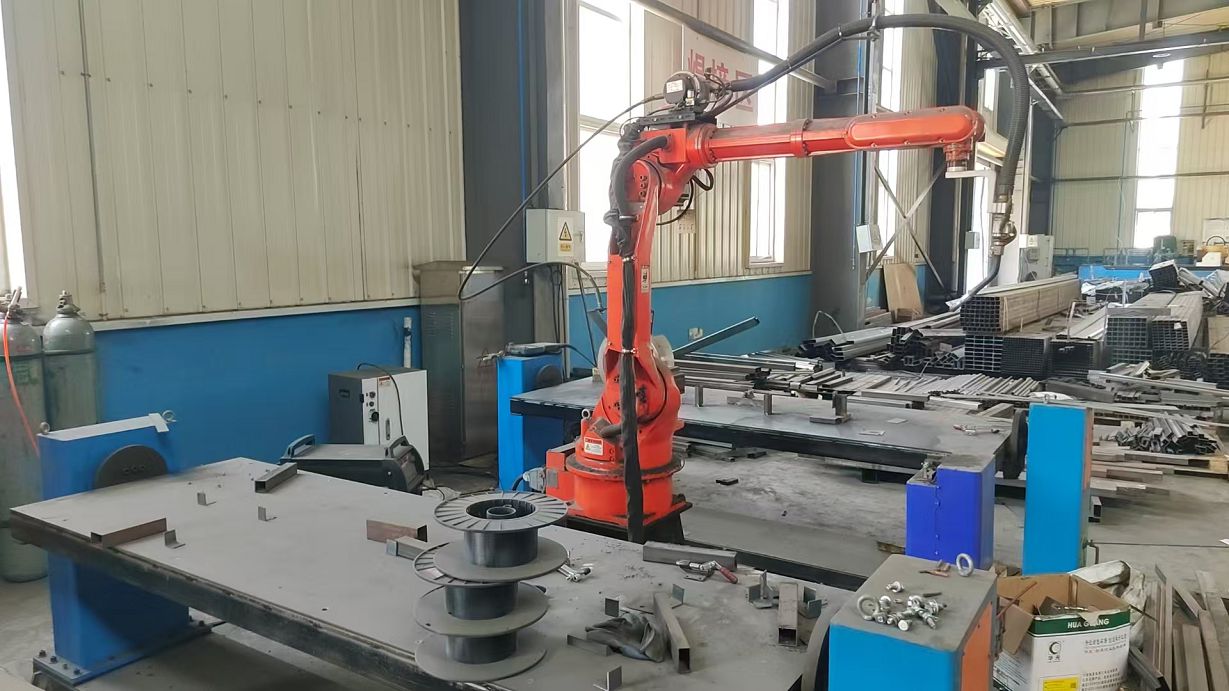
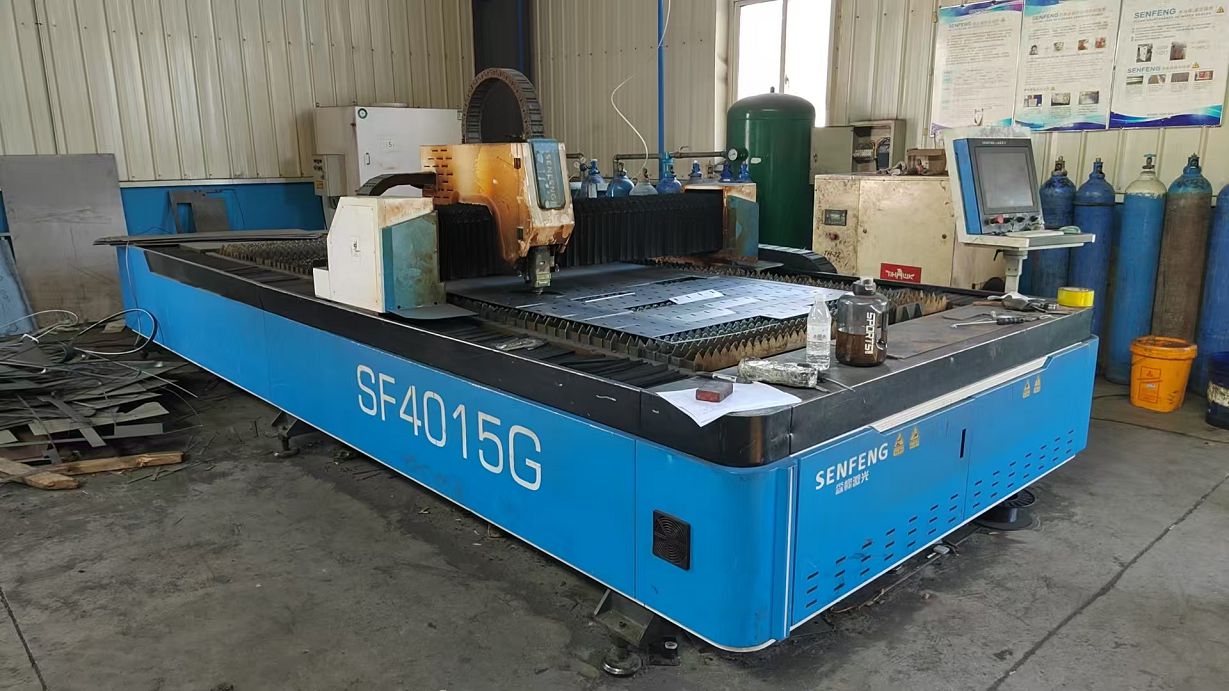
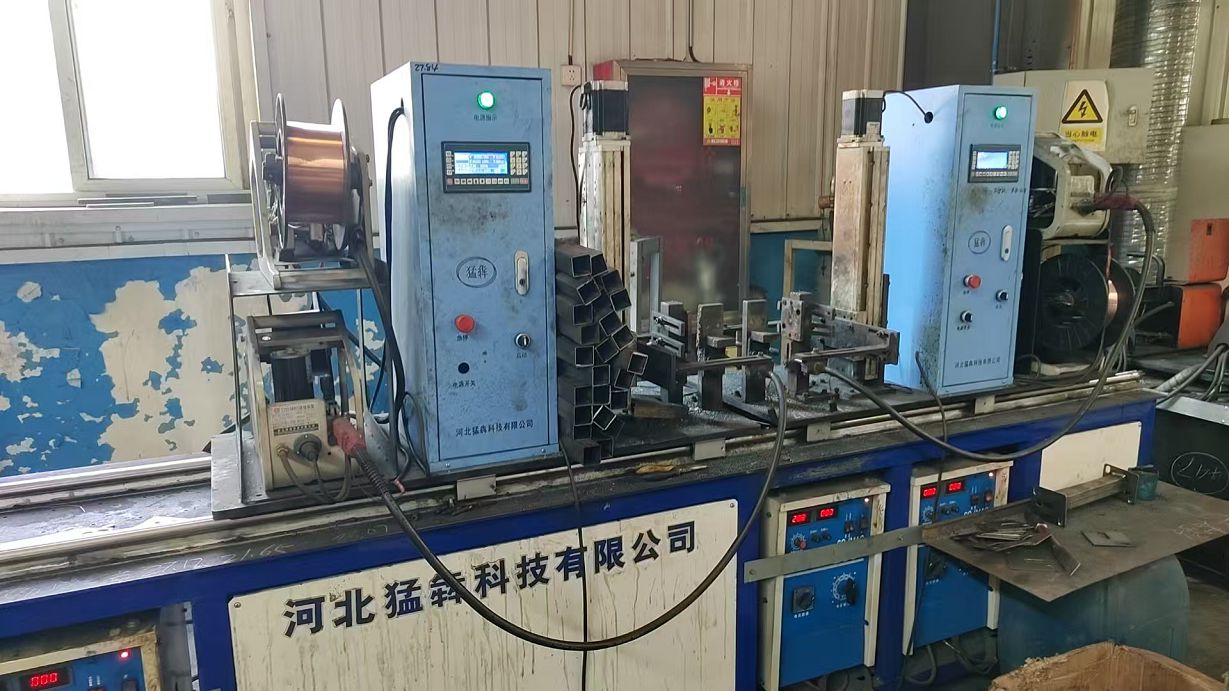
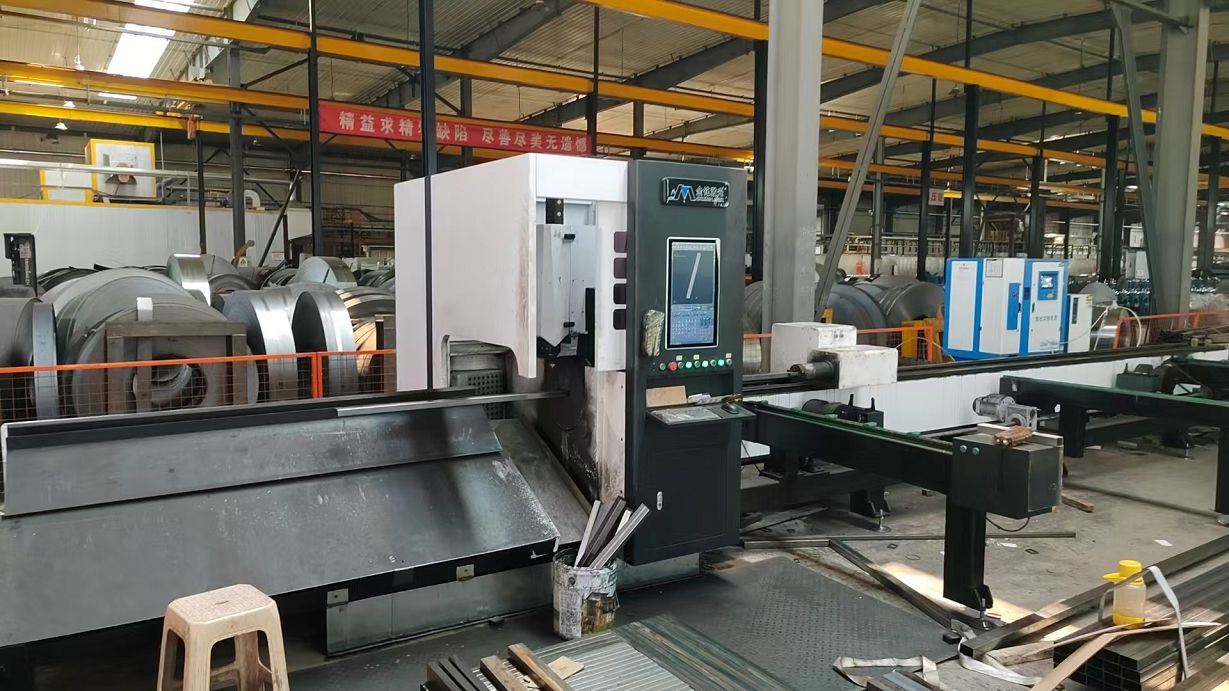
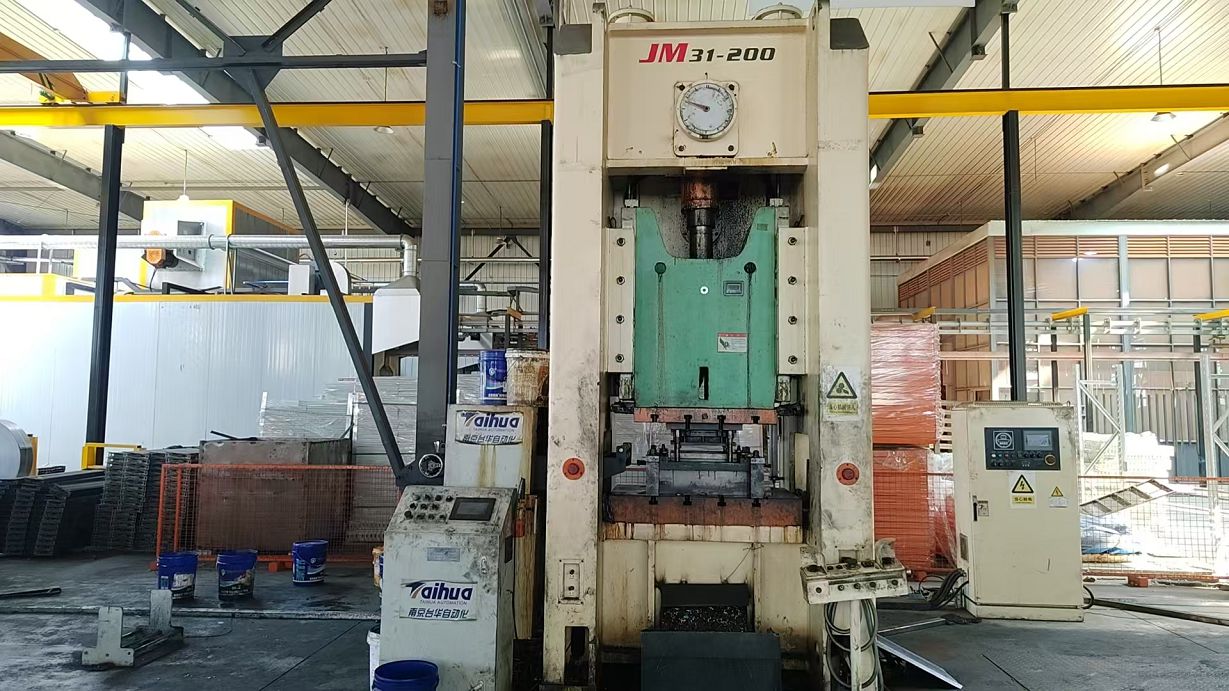
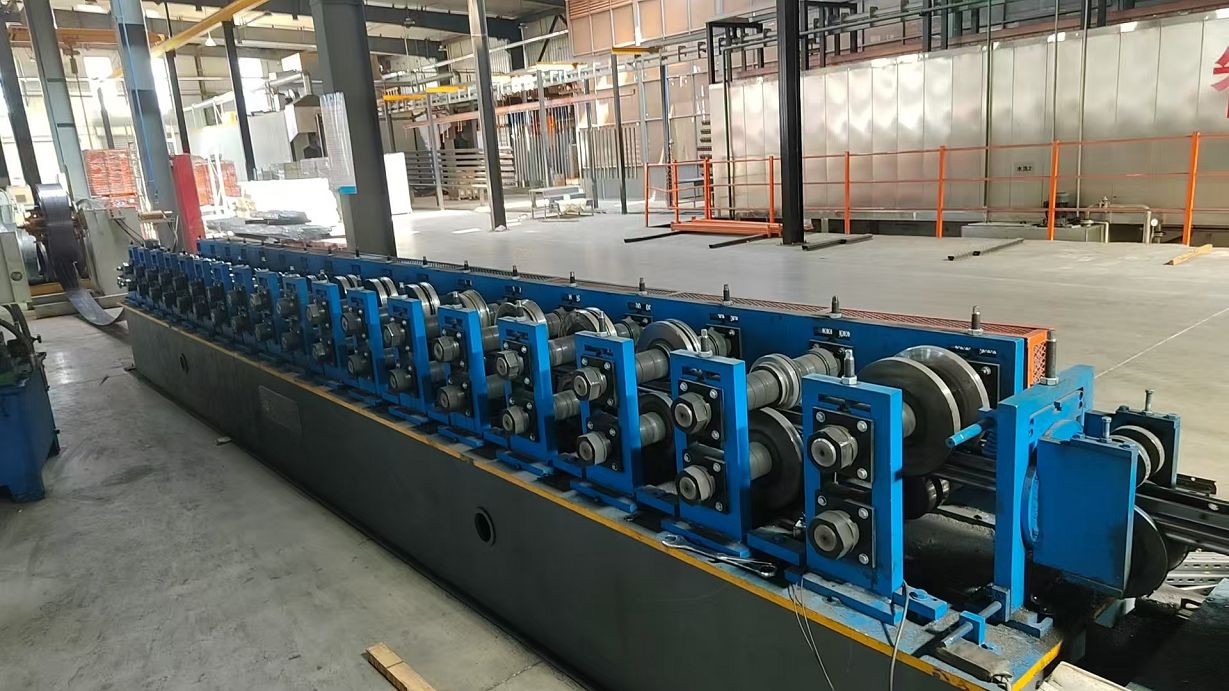
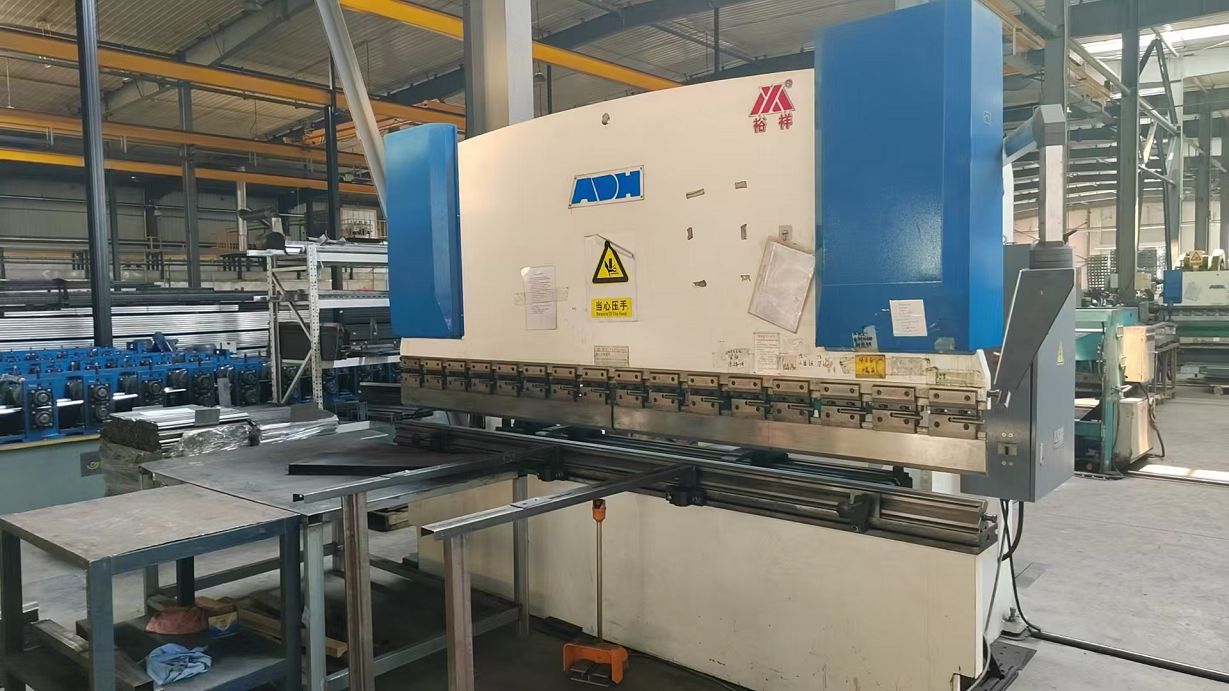
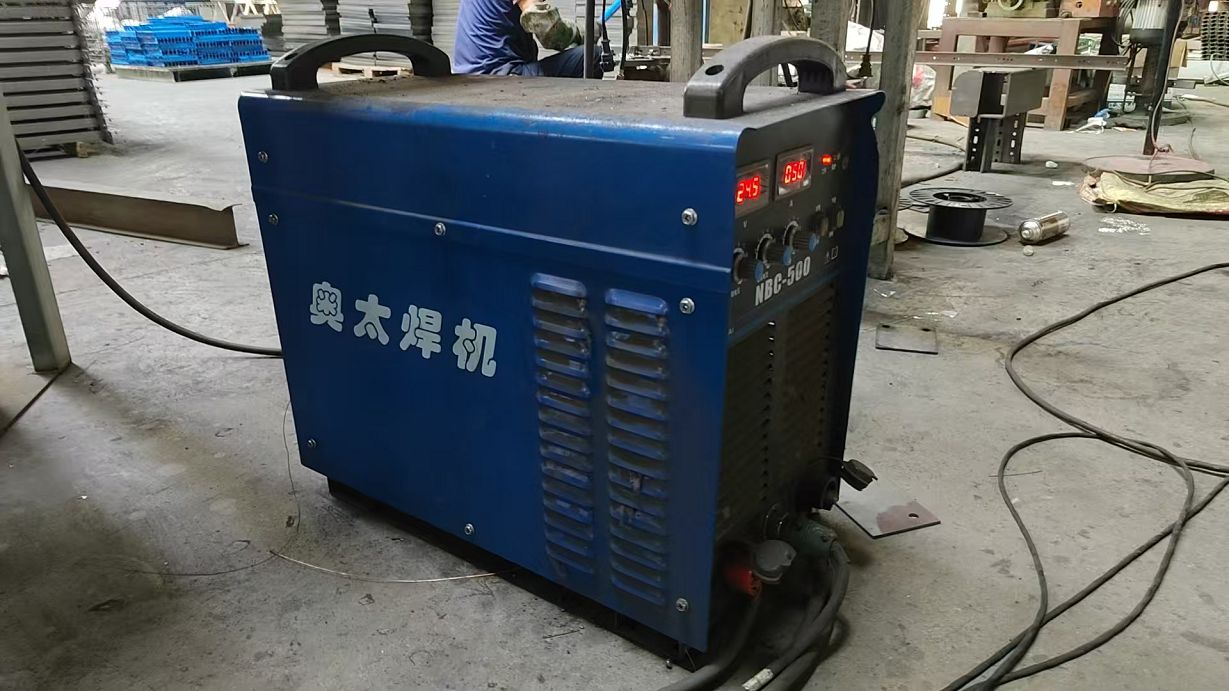
Photographs of cutting, punching, stamping, bending, welding, shot blasting, powder coating and packaging processes help buyers verify that a supplier is a manufacturer rather than a trading layer with limited process control.
Distributors and contractors need dimensional customization, color matching, load-level changes, shelving adjustments, drawing approvals and layout planning. A strong supplier can convert operational requirements into manufacturable modules.
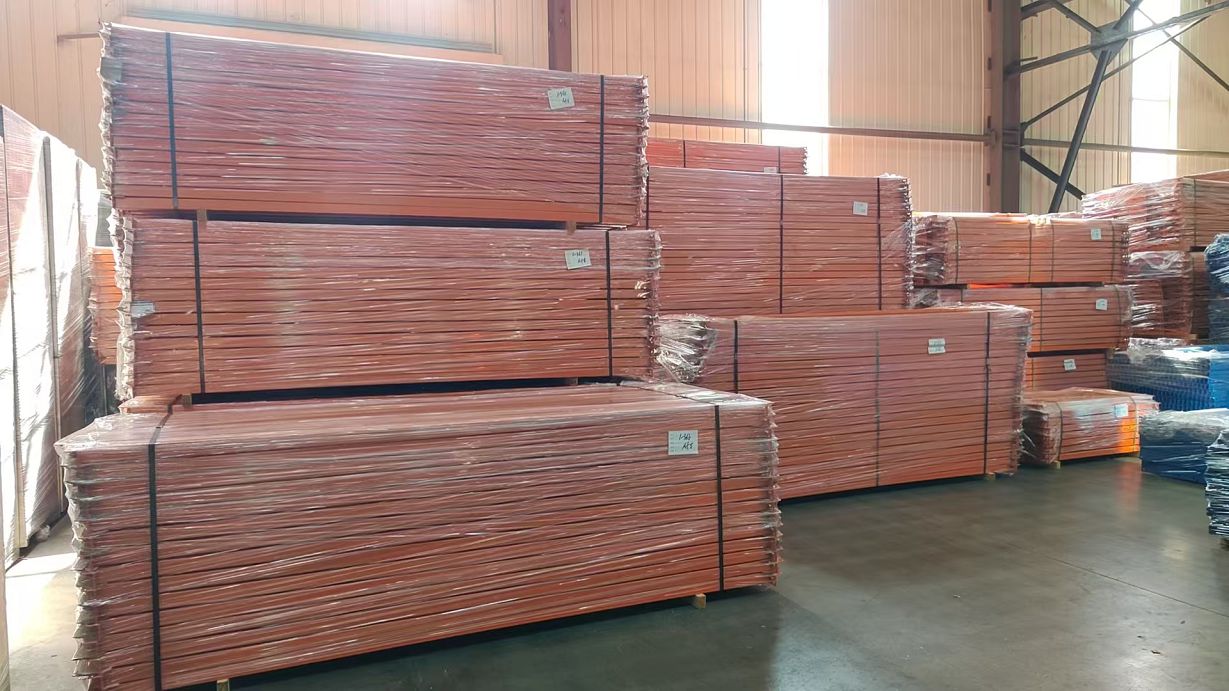
Industrial buyers care about steel protection, hardware labeling, container loading efficiency, moisture protection and documentation readiness. Packaging inspection is part of quality control, not an afterthought.
The lowest unit price can become expensive when coating fails, replacement parts are delayed, installation is inefficient or drawings require repeated revisions. Total cost of ownership includes engineering, freight, installation, maintenance and downtime risk.
Factory 4.0 in the storage equipment sector does not simply mean replacing people with machines. It means linking engineering, production, quality inspection and export logistics so that customization remains repeatable and delivery risk is visible before shipment.
Fangding operates from an 18,600㎡ manufacturing facility and combines advanced production equipment with strict quality management. The company's 58 engineers support OEM and ODM projects, including rack dimensions, load capacities, colors, structural designs and warehouse layout planning. More than 95 new products and design improvements are introduced each year, which helps distributors respond to changing storage profiles, local safety expectations and installation constraints.
Supply-chain resilience is built through process control rather than slogans. Cutting, punching, stamping, bending, welding, shot blasting, powder coating and packaging are inspected as connected stages. A dedicated quality control department of 42 experienced inspectors performs 100% quality inspection, including load capacity testing, dimensional inspection, welding quality inspection, powder coating adhesion testing and packaging inspection before shipment.
Efficiency advantages come from repeatable changeovers and modular engineering. For distributors and engineering contractors, this means the factory can support multiple racking families—selective pallet racking, cantilever racking, mezzanine systems, drive-in racking, carton flow racks and VNA racking—while keeping drawing review, production planning and export packaging aligned. For industrial end users, it means fewer surprises between specification approval and installation.
The photographs below document the production workflow referenced in the original supplier profile. This visual evidence helps buyers evaluate fabrication depth, equipment readiness, coating control and packaging discipline.
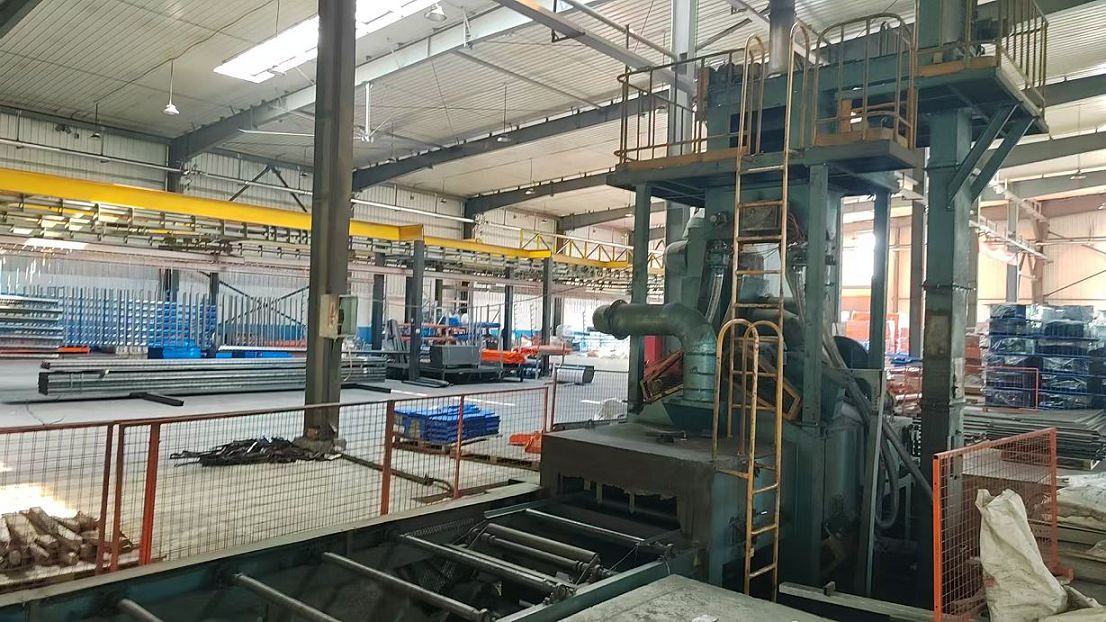
Across e-commerce, third-party logistics, food processing, building supplies, automotive aftermarket, retail replenishment and manufacturing, storage capacity has become a strategic buffer against demand volatility, labor constraints and supply-chain disruption.
Warehouse operators are under pressure to handle more SKUs, shorter order cycles and stricter delivery promises without expanding floor area. Storage carts, selective pallet racking, mezzanine platforms and carton flow systems help convert vertical and horizontal space into organized, accessible and safer inventory. In food-processing and regulated environments, stable structures and cleanable finishes also support hygiene and operational discipline.
From a global procurement perspective, the strongest suppliers are those that can translate an operational problem into an engineered storage layout. A distributor in North America may need rapid replenishment and contractor-friendly packaging. A European importer may prioritize CE-related documentation and narrow-aisle efficiency. A Southeast Asian e-commerce operator may need cost-effective modular expansion for high-growth picking operations. A Middle East logistics hub may require coating durability and heat-conscious design. These localized requirements make category knowledge, not just product inventory, a competitive advantage.
Storage cart and racking projects succeed when global manufacturing capability is matched to local operating conditions, building codes, handling workflows and documentation expectations.
High-bay distribution centers, 3PL operations, food-processing warehouses and building-supply yards need heavy-duty selective racking, cantilever racks for long materials, carton flow for high-volume picking and packaging that protects steel through long inland freight routes.
European buyers often place strong emphasis on CE-related technical documentation, safety assumptions, space efficiency and coating quality. Narrow aisles, mezzanine platforms and adjustable storage systems help importers serve dense urban and industrial markets.
Rapid e-commerce growth, humid environments and expanding distribution networks create demand for modular pallet racking, medium-duty shelving and carton flow systems. Buyers value cost efficiency, protective packaging and flexible OEM dimensions.
Large-format warehouses, heavy materials and long supply lines make structural transparency and durability critical. Cantilever racking, heavy-duty pallet racks and mezzanine systems help contractors and industrial users maximize usable space.
Logistics hubs, free zones and large industrial projects require robust finishes, stable structures and efficient container loading. Storage and racking systems must support heavy loads while maintaining appearance and corrosion resistance in demanding climates.
Factory-direct access supports faster sampling, drawing review and supplier audits. Distributors can combine OEM storage carts, selective racking, mezzanine systems and custom steel platforms from one manufacturing partner while planning container shipments.
Use this framework to compare suppliers with greater confidence. It follows the real buyer journey: research compliance, validate engineering, confirm the cart-rack interface, review manufacturing evidence and compare total cost of ownership.
State the load per shelf, per cart, per pallet and per bay. Clarify whether loads are uniformly distributed, point-loaded or dynamic. For mezzanine systems, specify required distributed load, such as 300–2000kg/m² where applicable, and confirm access, stairway and floor-interface requirements.
Ask for drawings, material specifications, load-testing records, welding inspection records, coating reports and packaging checks. For CE-related procurement, confirm the exact directive, harmonized standards and documentation responsibilities with the importer or authorized representative.
Confirm aisle widths, turning radius, cart dimensions, shelf heights, barcode labeling and pick-face ergonomics. A racking system that ignores cart movement can reduce throughput even when the steel specification appears correct.
Powder coating adhesion, surface preparation and color coding affect maintenance and safety. Humid, food-processing, outdoor-adjacent or high-traffic environments may require additional attention to coating thickness, touch-up strategy and protection of vulnerable edges.
Request packaging drawings, hardware labeling, loading plans and installation guides. Poorly labeled components slow contractors and increase site errors. For repeat distributor orders, standardized packing logic can improve receiving and project scheduling.
Evaluate engineering responsiveness, load safety, replacement-part availability, coating life, installation speed, delivery reliability and documentation quality. The lowest FOB price is rarely the lowest landed project cost.
These answers help importers, distributors and contractors ask better questions before requesting a quotation.
Fangding can supply CE-certified storage cart and racking configurations when the selected product, intended use and destination market fall within the relevant CE directive and standards. Because CE marking is product- and configuration-specific, buyers should confirm the exact directive, harmonized standard and required documentation before ordering.
Support can include technical drawings, material specifications, load assumptions, load-test records, welding inspection records, coating reports, packaging inspection records and declaration documentation support. The exact file package depends on the product and destination market.
Yes. As an OEM & ODM manufacturer, Fangding offers customization for dimensions, load capacities, colors, shelf levels, structural designs and warehouse layout planning. A professional R&D team of 58 engineers supports drawing review and product adaptation.
Load capacity depends on the product family and configuration. Projects may include heavy-duty pallet racking, cantilever racks, drive-in racking, VNA racking and mezzanine systems with distributed loads such as 300–2000kg/m² where specified. Always confirm the load case with engineering.
Every product undergoes 100% quality inspection, including load capacity testing, dimensional inspection, welding quality inspection, powder coating adhesion testing and packaging inspection. The quality control department includes 42 experienced inspectors.
The company has over 8 years of export experience and 14 years of industry expertise, with annual export revenue exceeding US$18 million. Customers are located across North America, Europe, Southeast Asia, Australia and the Middle East.
Fangding serves warehouse equipment distributors, importers, wholesalers, engineering contractors, logistics companies, retailers and industrial end users. Common applications include warehouses, logistics centers, factories, retail facilities, distribution hubs, food-processing sites and building-supply storage.
Yes. Engineering support includes warehouse layout planning and custom structural design for many storage and mezzanine projects. Buyers should provide building dimensions, load requirements, pallet or cart data, access needs and local compliance requirements for an accurate proposal.
Compare load assumptions, steel specifications, coating system, packaging standard, drawing approvals, documentation support, installation guidance and delivery reliability. A complete quote should make the total project scope visible, not only the steel price.
Explore additional high-density, high-throughput and space-expansion solutions for warehouses, factories, distribution centers and industrial storage projects.
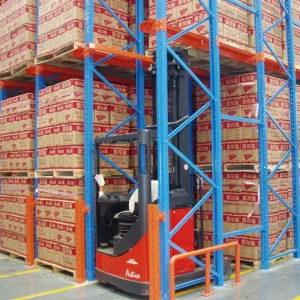
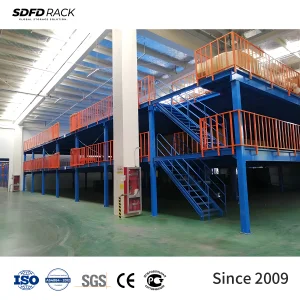
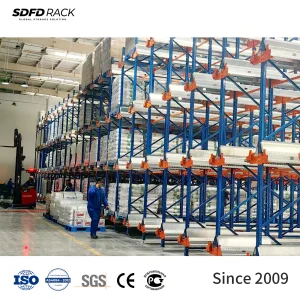
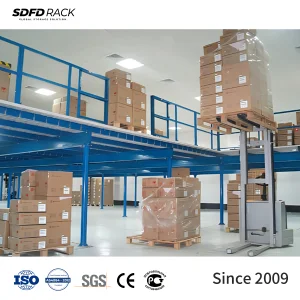
 Fangding Rack