In an era defined by globalized trade dynamics, rapid e-commerce expansion, and real-time inventory management, modern industrial warehousing has evolved from a passive storage utility into a critical hub of logistics performance. Industrial shelving and racking systems form the skeletal framework of these hubs. Designing, manufacturing, and deploying these systems is no longer a matter of simple fabrication; it has become a complex engineering discipline requiring high material integrity, compliance with strict safety standards, and integration with automated storage systems.
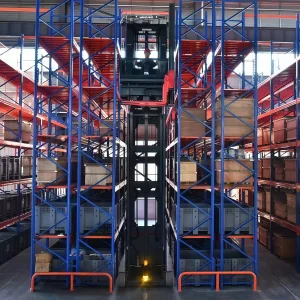
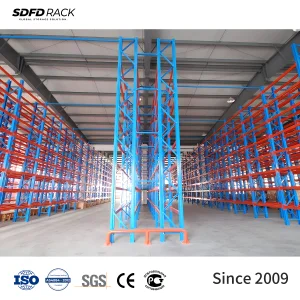
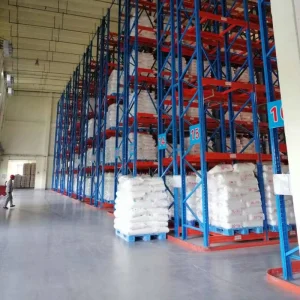
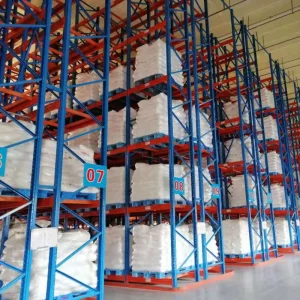
Globally, warehouse operators are facing a dual challenge: maximizing spatial efficiency while ensuring high safety margins for workers and materials. With real estate costs rising in key industrial corridors across North America, Europe, and the Asia-Pacific region, businesses are shifting their designs upward. High-bay warehouses, Very Narrow Aisle (VNA) systems, and multi-tier mezzanines are replacing traditional low-density configurations. This spatial optimization requires racking solutions capable of carrying heavy, uniform loads over vertical spans exceeding 12 to 15 meters, without structural deflection.
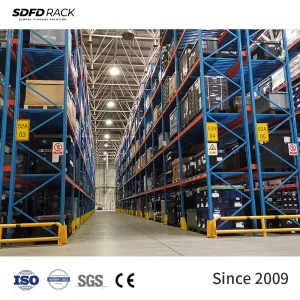
At the same time, regional logistics configurations demand tailored structural responses. In North America, the Teardrop style selective pallet rack remains the industry standard, valued for its toolless assembly and cross-brand compatibility. In Europe, modular configurations compliant with FEM (Fédération Européenne de la Manutention) codes are preferred, emphasizing high steel grades and precise tolerance margins. Meanwhile, in seismically active regions like Australia and parts of the Western United States, racking structures must meet rigorous dynamic load criteria to prevent failure during seismic events. As a result, sourcing from experienced manufacturers with robust testing facilities is essential for global buyers.
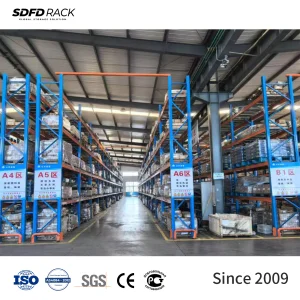
Established in 2016 and backed by over 14 years of industry expertise, Dongguan Fangding Warehousing Equipment Manufacturing Co., Ltd. has established itself as a leading professional designer, manufacturer, and global exporter of high-grade industrial storage systems. Operating from a state-of-the-art 18,600㎡ production facility in Southern China, the company designs, manufactures, and supplies heavy-duty storage structures that meet the strict requirements of modern distribution networks.
Fangding’s global reach is supported by 8 years of dedicated export operations, serving a client portfolio that spans North America, Europe, Southeast Asia, Australia, and the Middle East. With an annual export volume exceeding US$18 million, Fangding collaborates with more than 1,150 supply chain partners, ranging from warehouse equipment distributors and industrial wholesalers to logistics contractors and Fortune 500 end-users.
The company’s competitive advantage lies in its engineering department, where 58 specialized engineers design customized structures using advanced stress-analysis software. Every year, this division designs over 95 new products and design improvements, keeping the company at the forefront of storage technology. Whether designing automated radio shuttle tracks or high-tier mezzanine levels, Fangding ensures that load capacity, structural stability, and safety standards are built into every design.
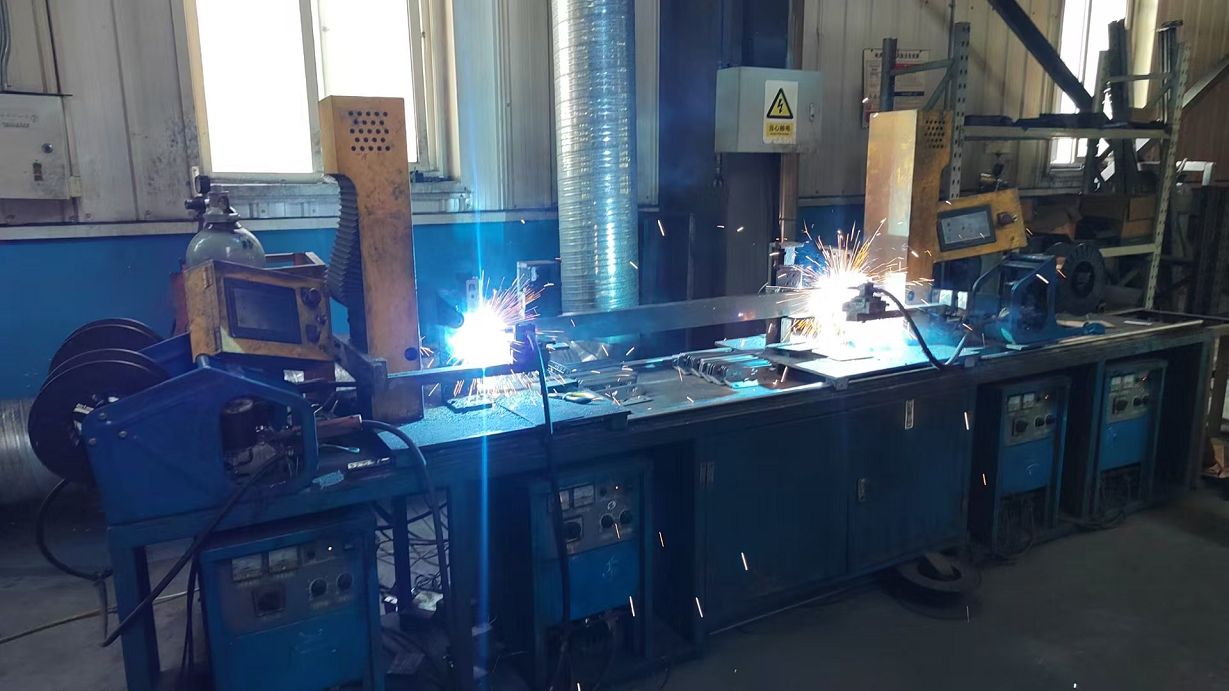
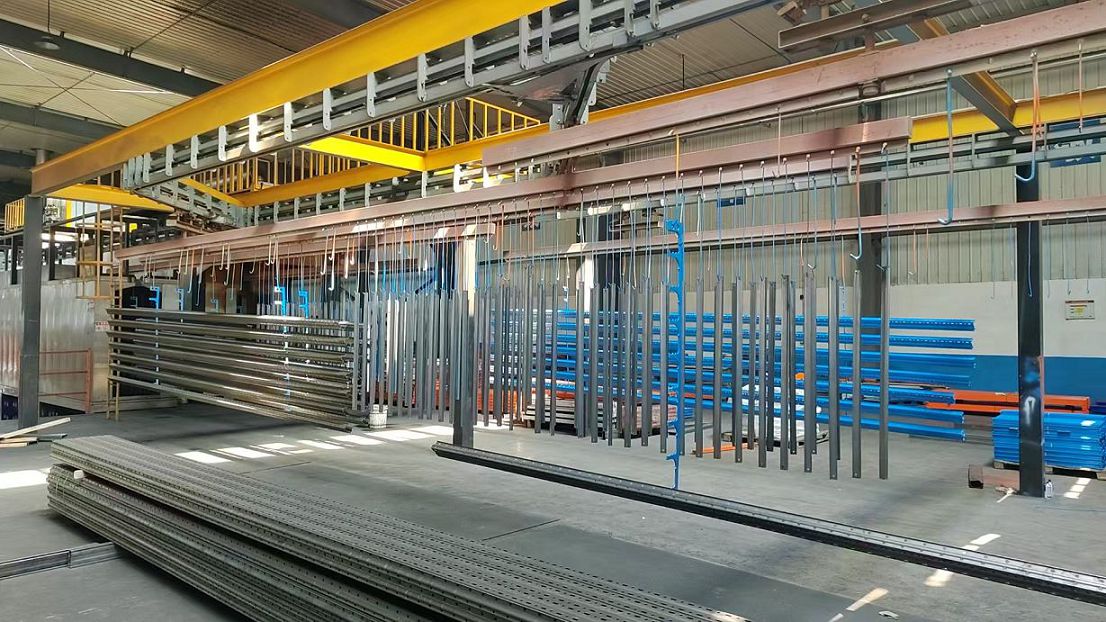
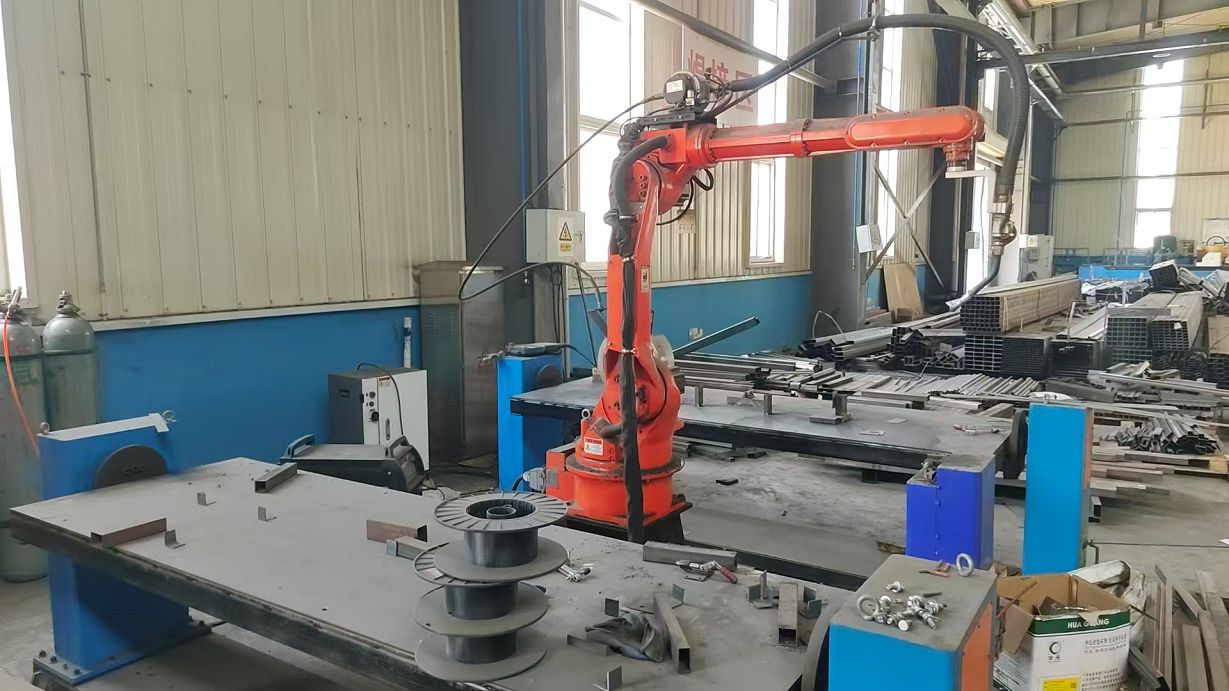
Heavy-duty racking fabrication requires strict compliance with physical and metallurgical standards. A slight deviation in punching pitch, welding penetration, or powder coat density can affect the load capacity and safety of the system. To ensure reliability, Fangding implements a strict quality control system managed by 42 experienced inspectors.
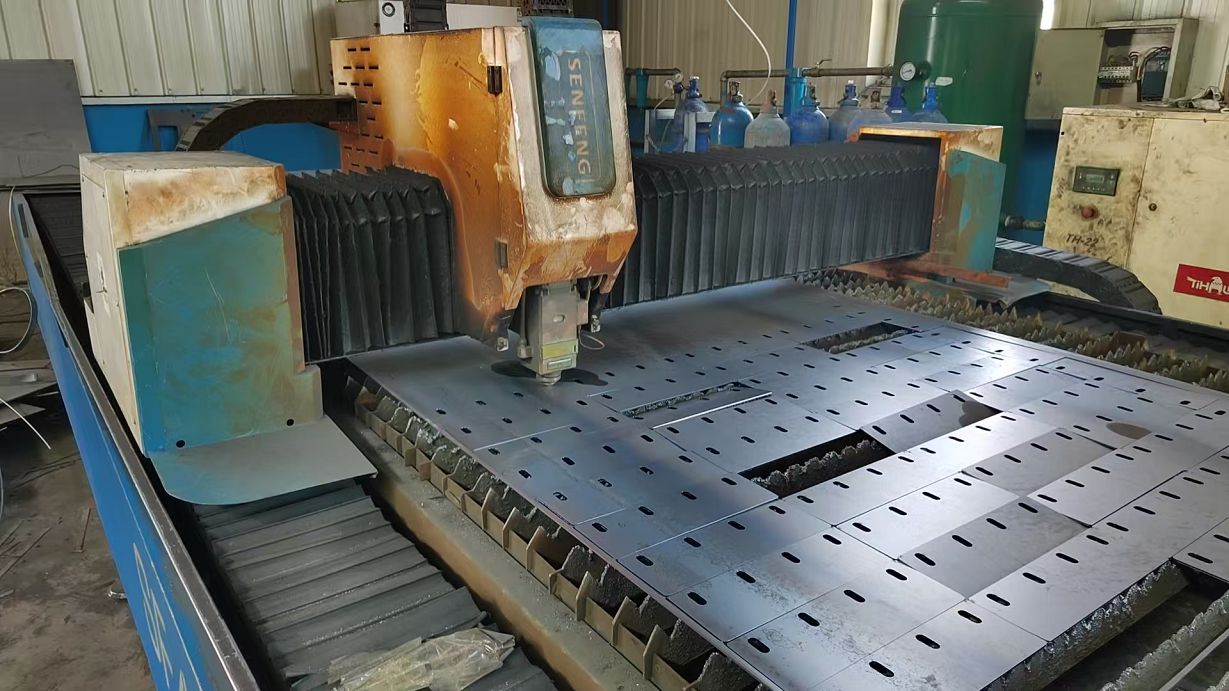
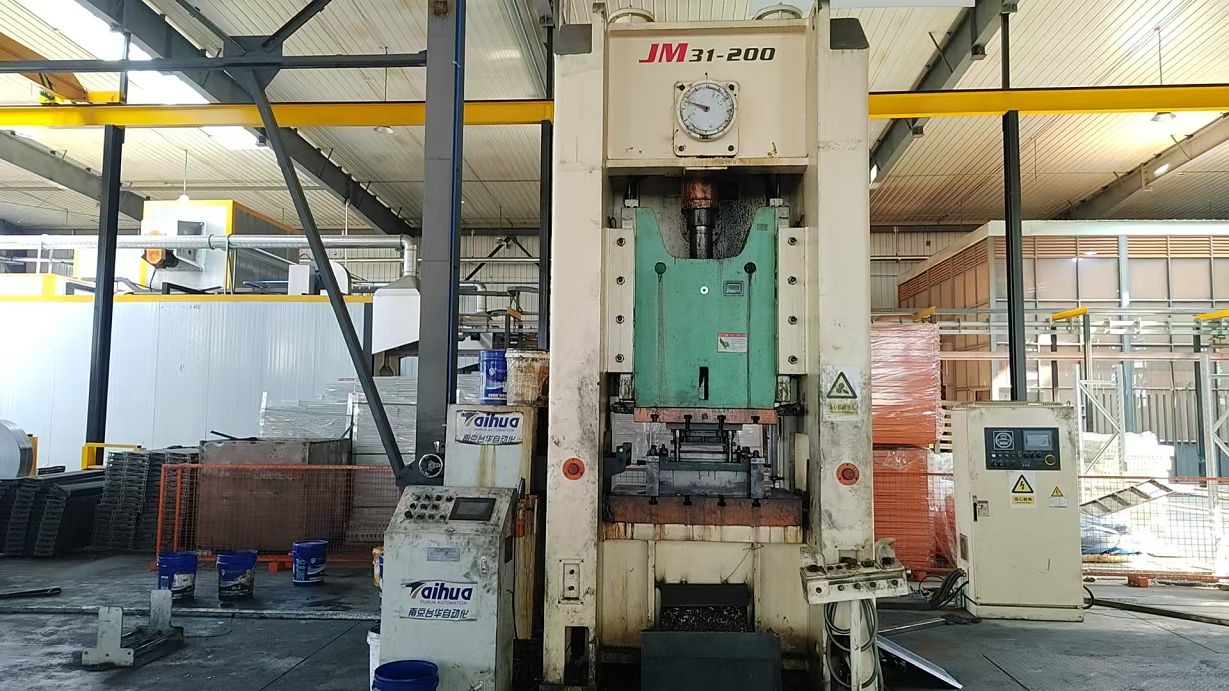
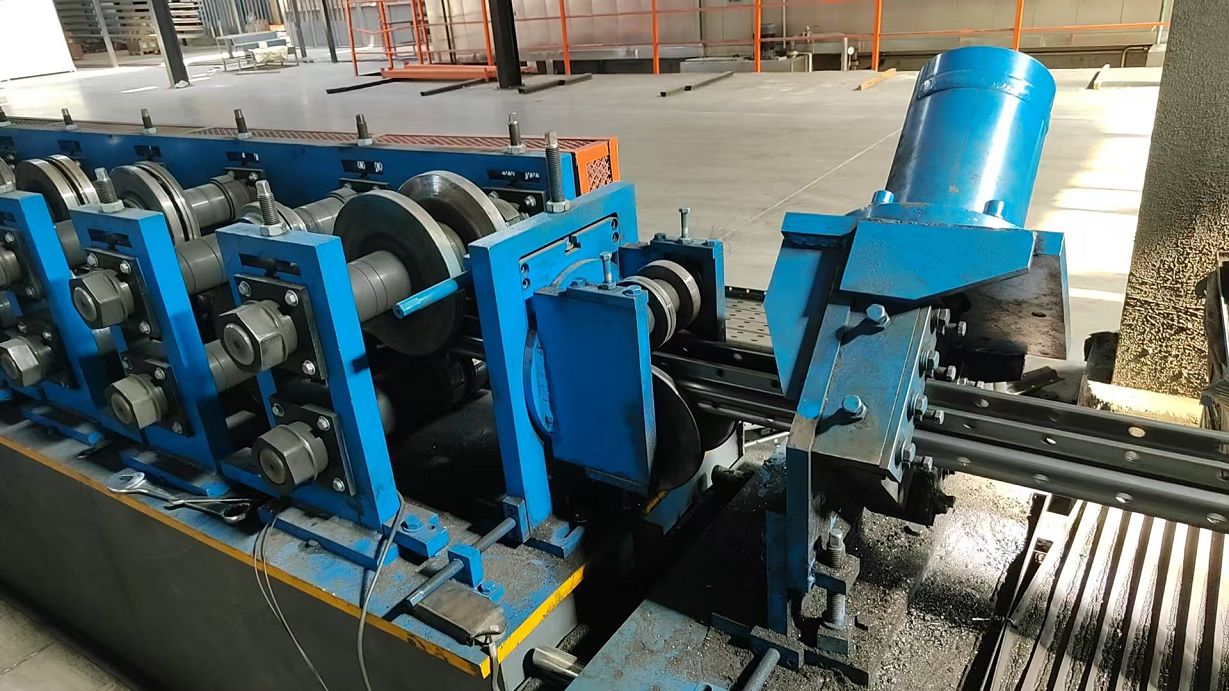
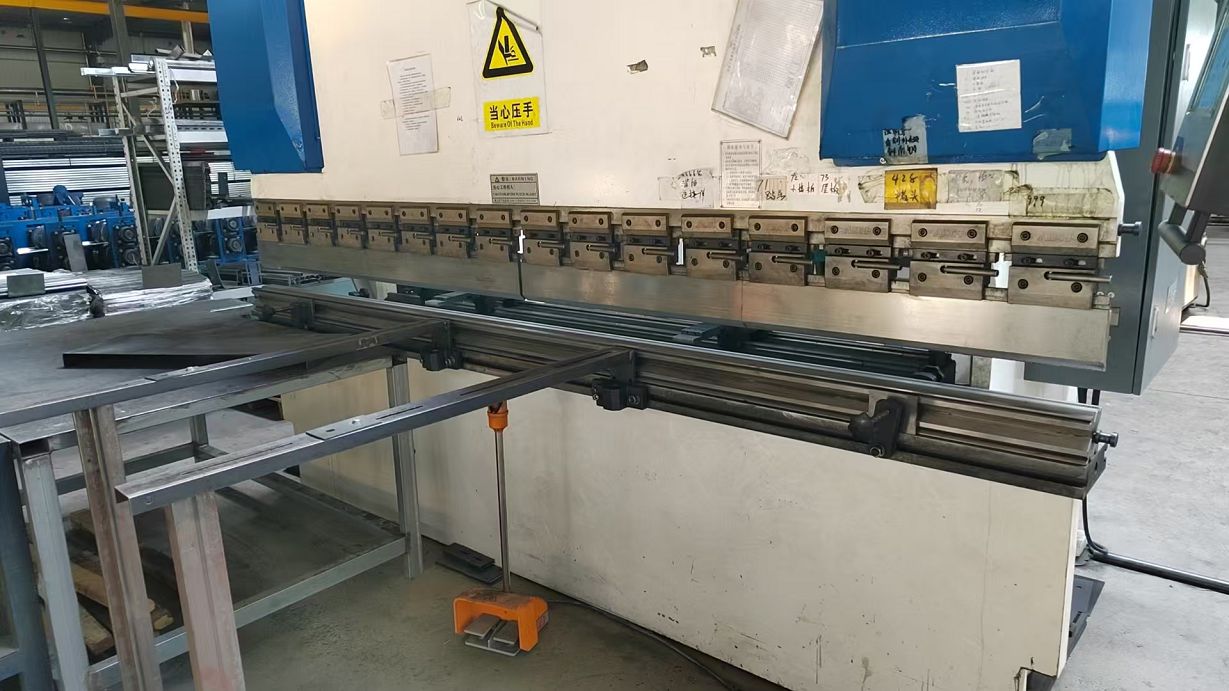
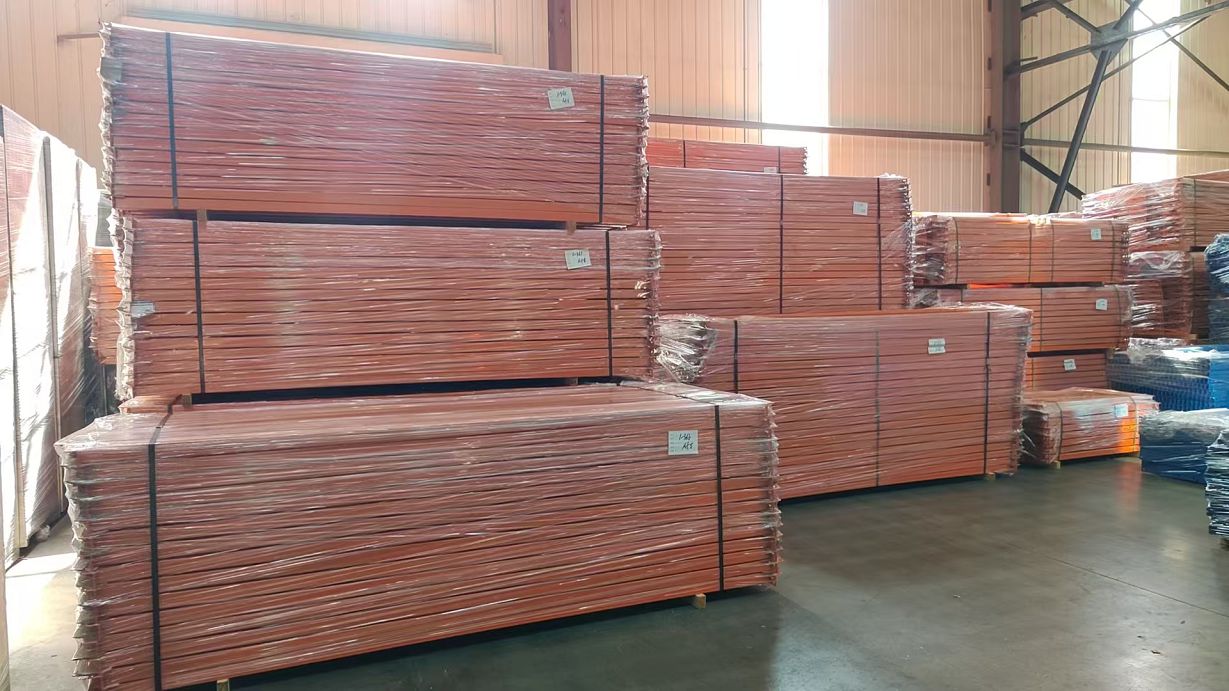
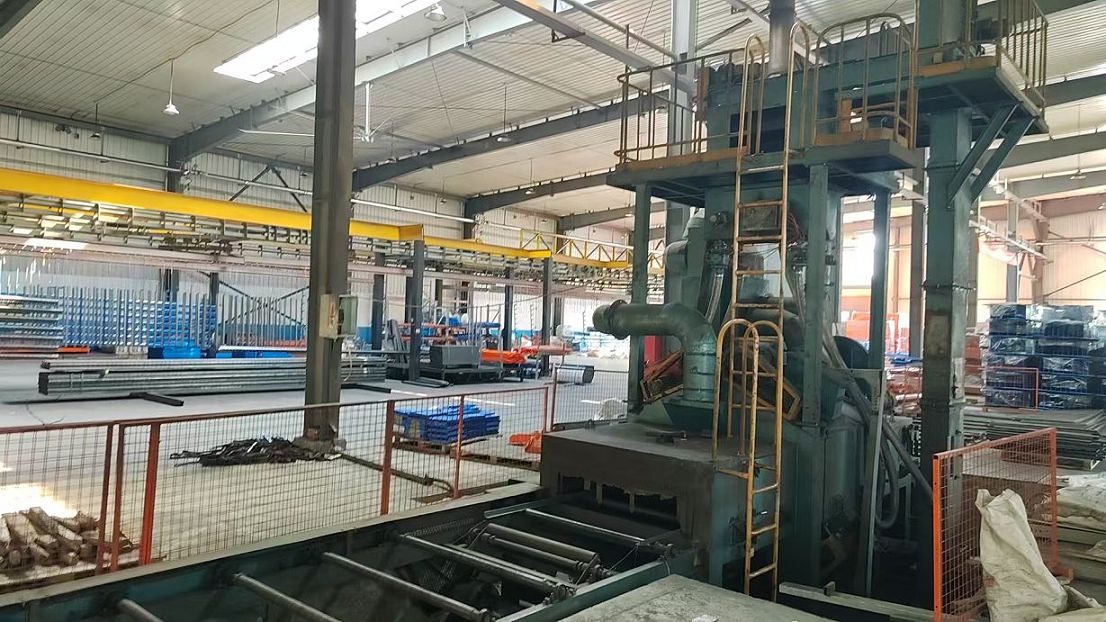
Every production run undergoes 100% quality inspection. This process includes testing load capacity, checking dimensions, inspecting welds, evaluating powder coating adhesion, and assessing packaging durability. Below is a detailed view of our advanced production processes and high-precision machinery:
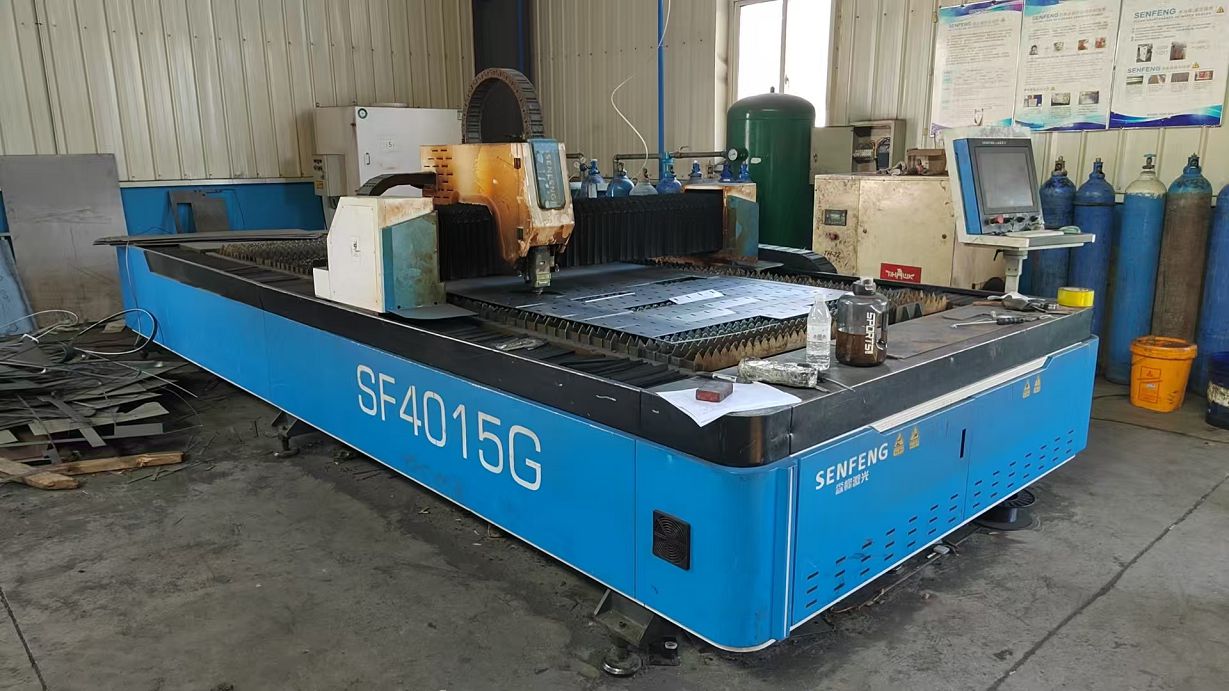
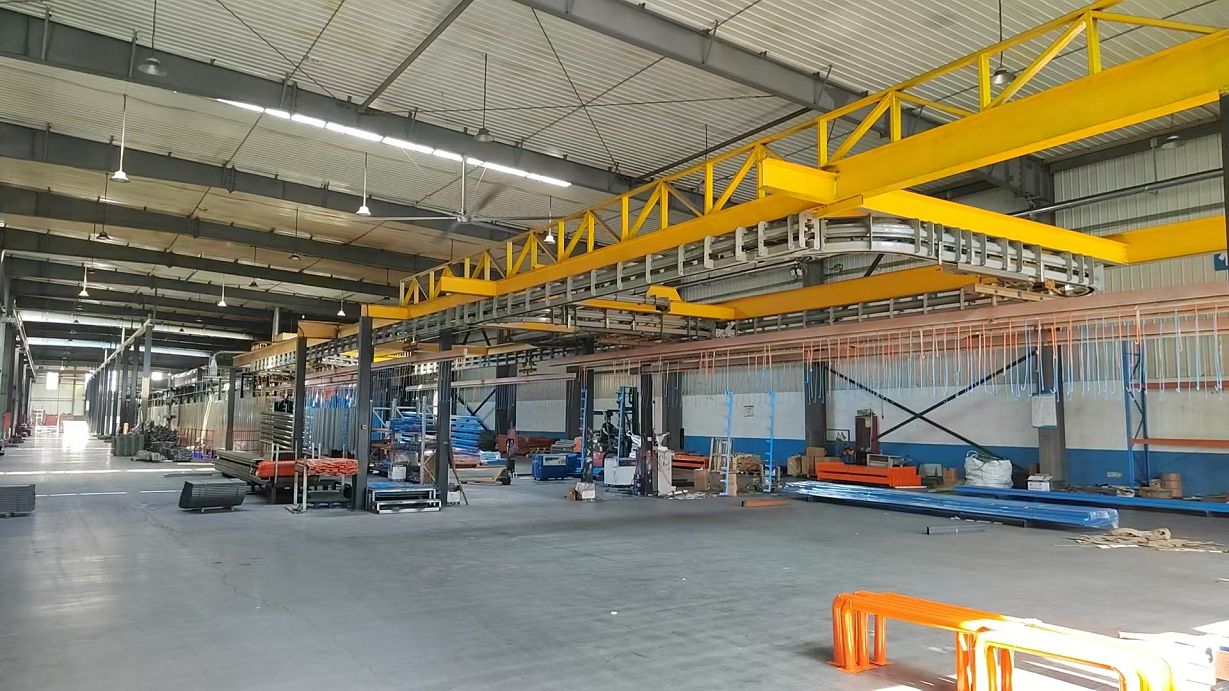
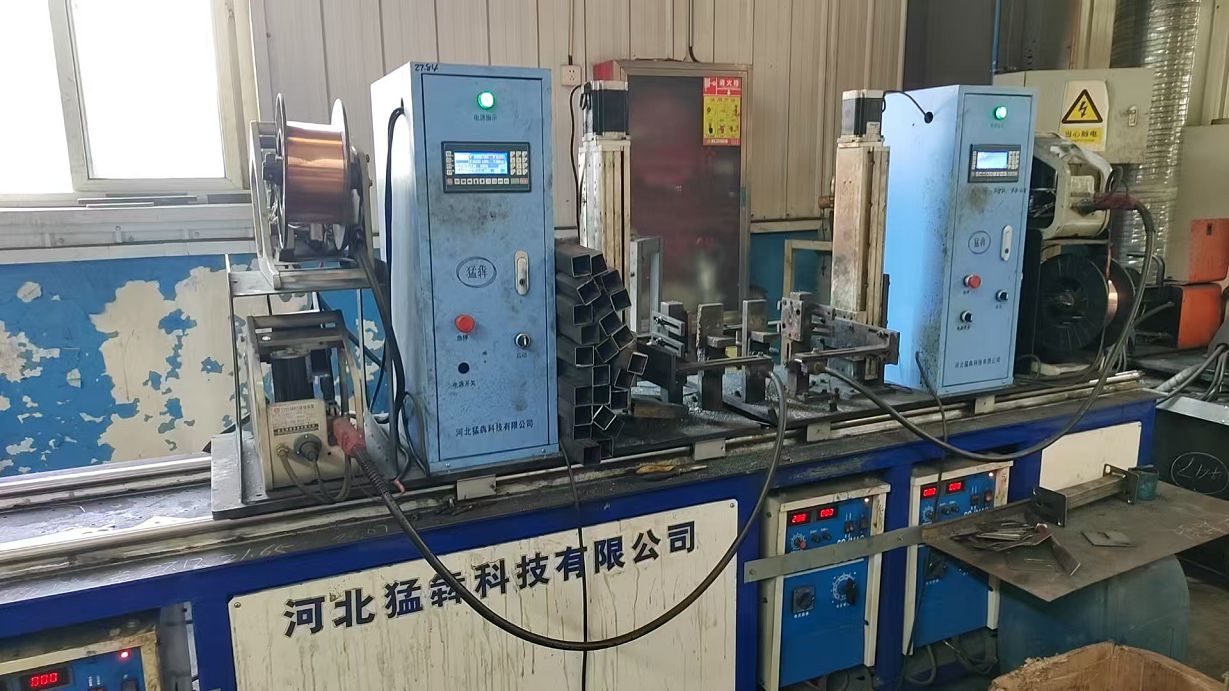
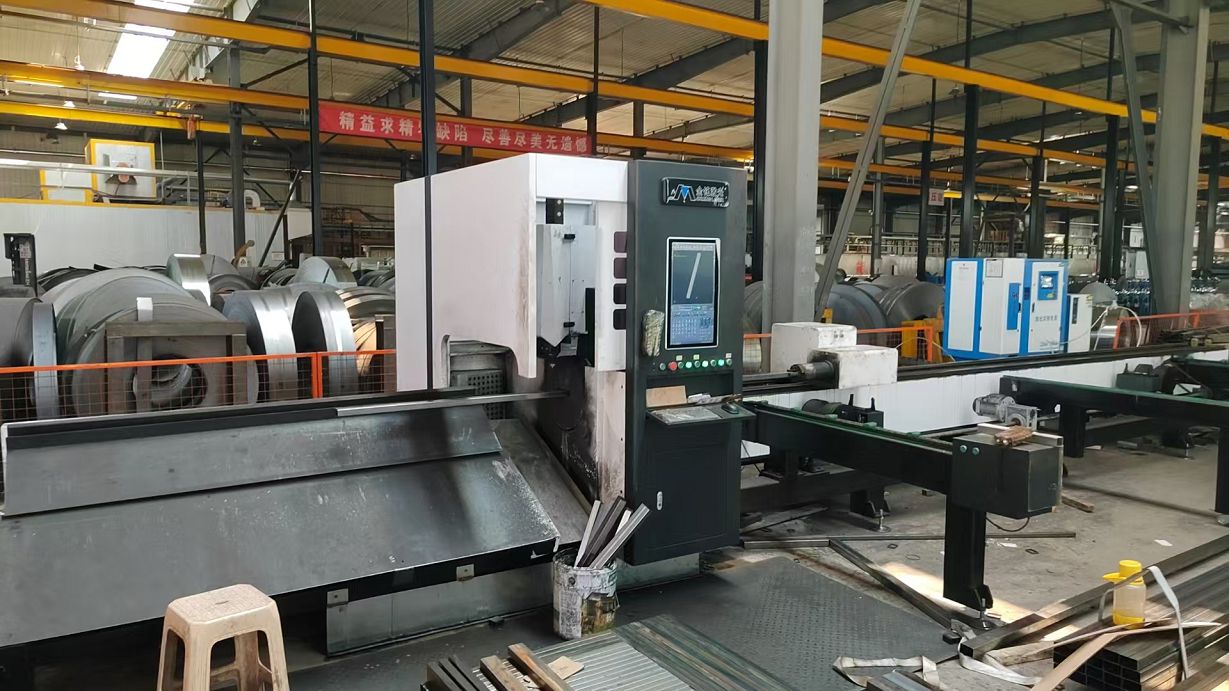
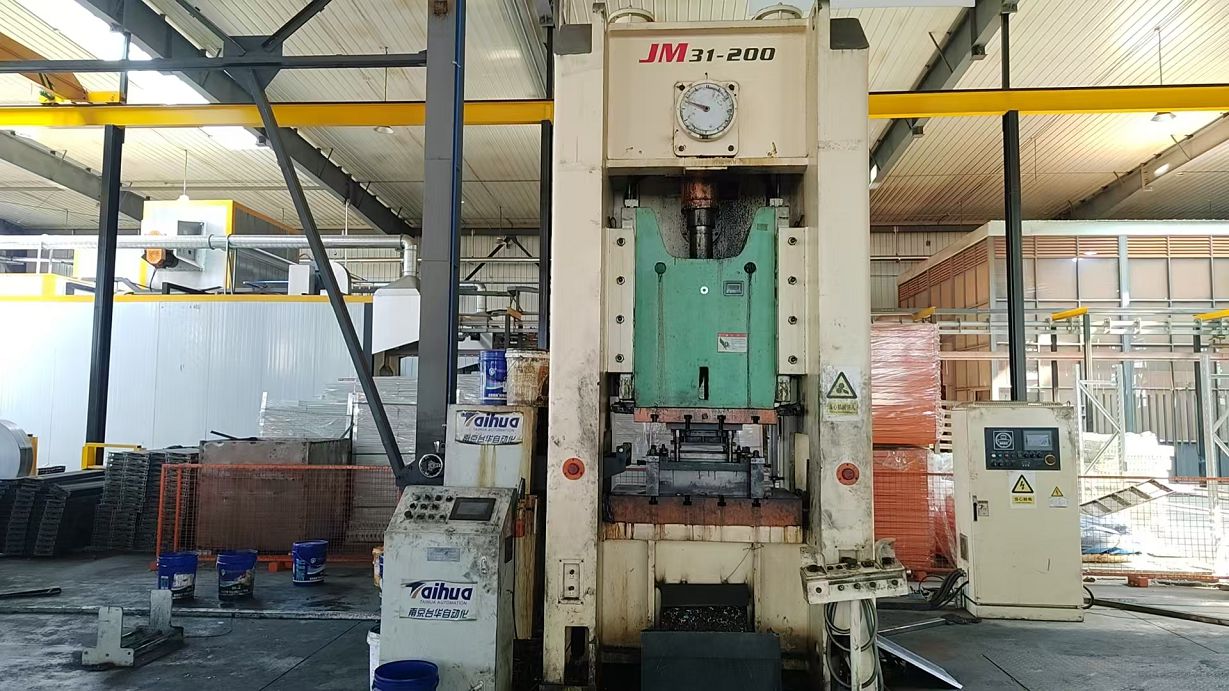
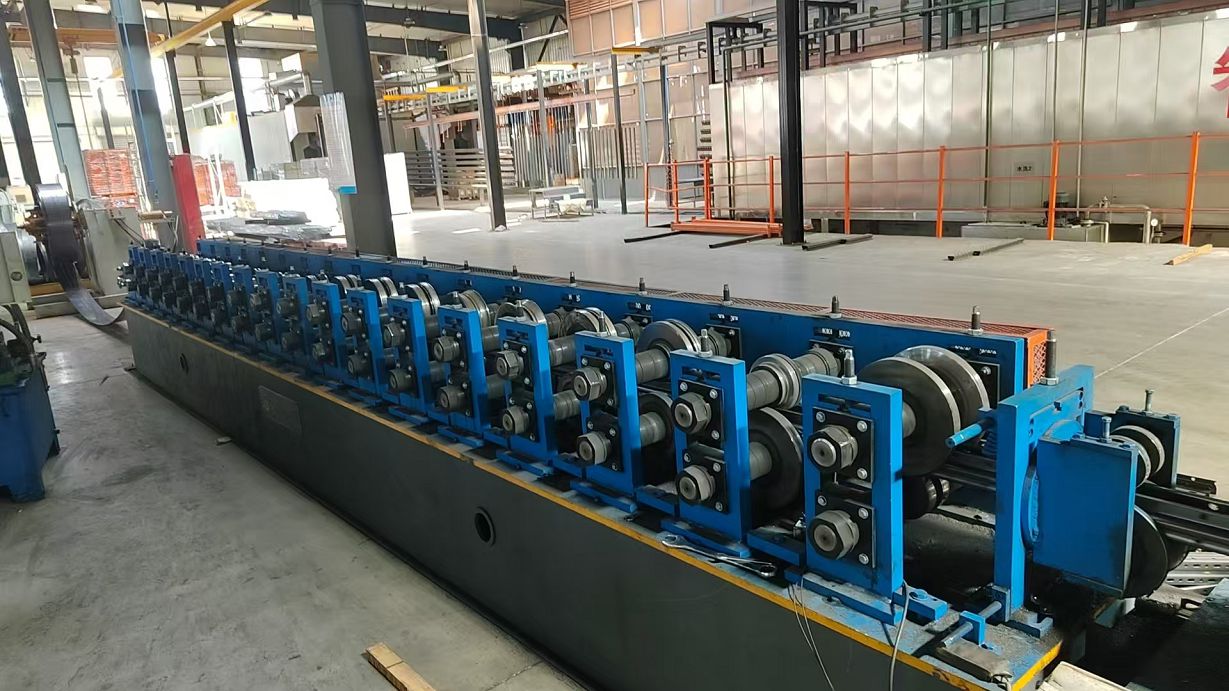
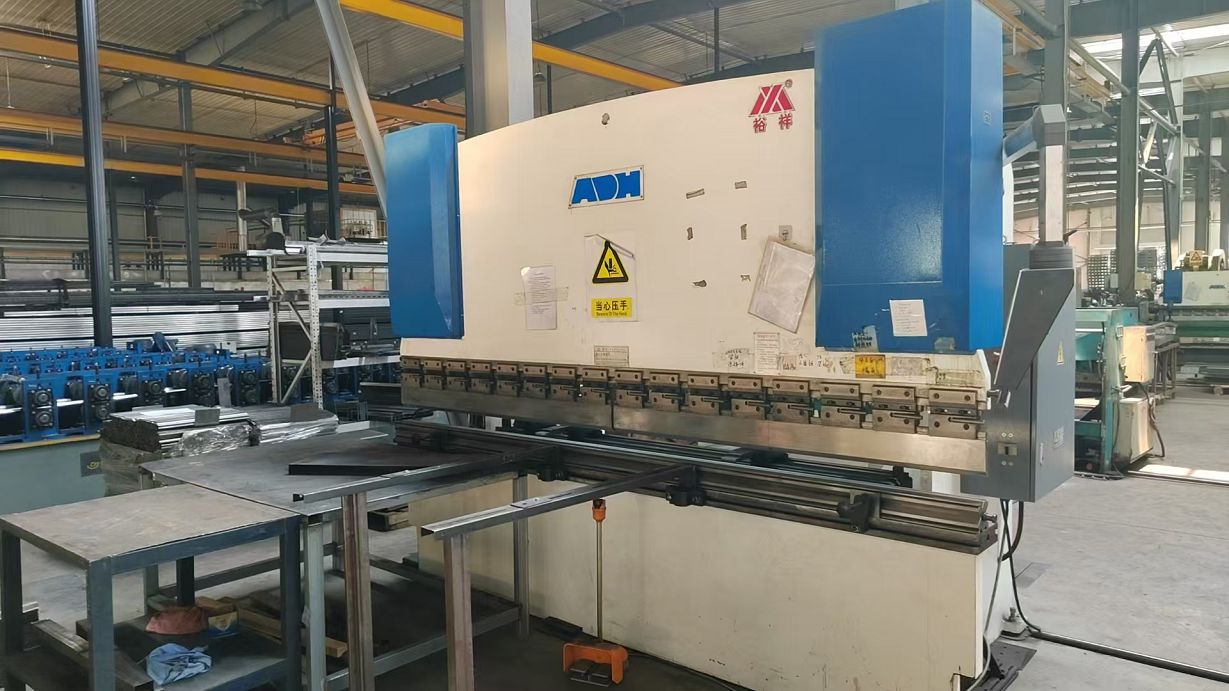
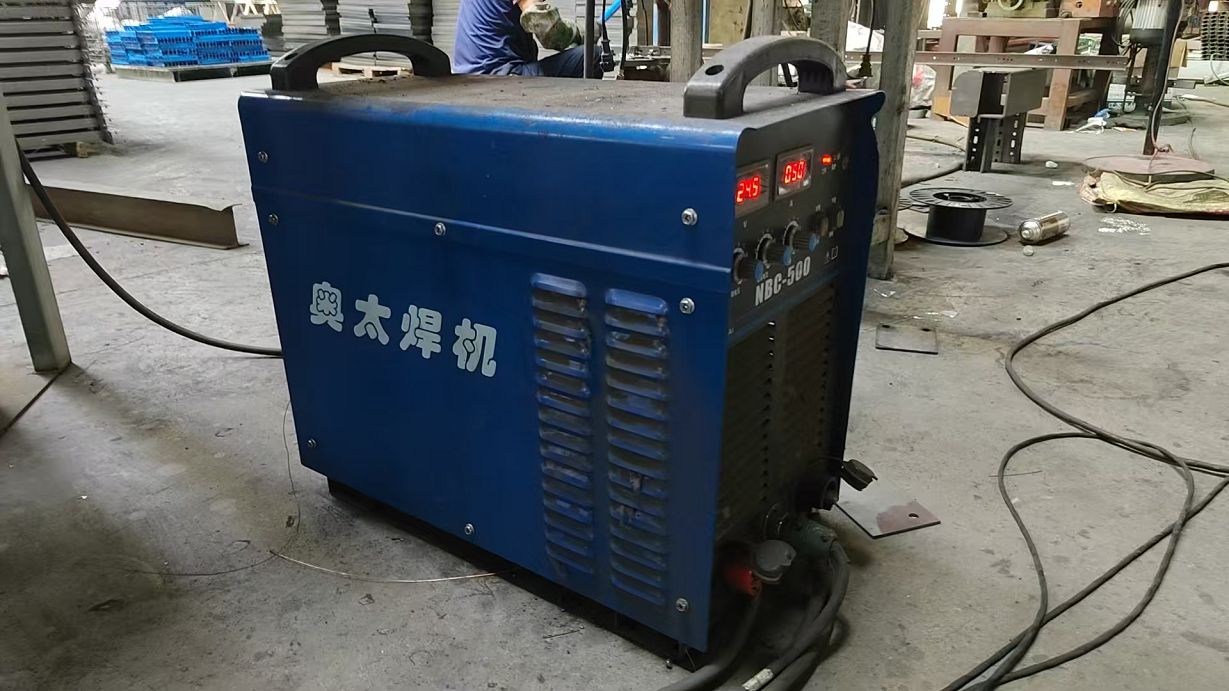
Modern material handling systems must match the specific operational workflows of different industries. Sourcing the right shelving system requires analyzing how the equipment interacts with material handling units, turnover rates, and environmental conditions. Below is an overview of how Fangding’s structural configurations adapt to key global supply chain verticals:
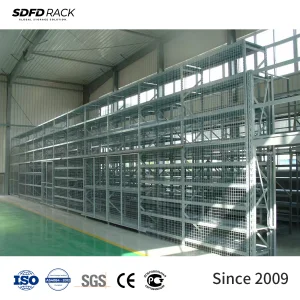
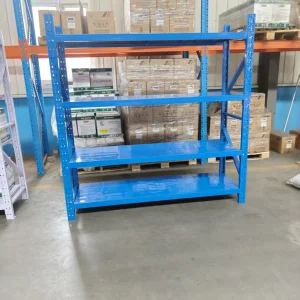
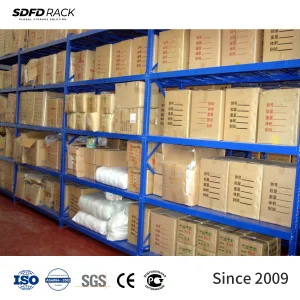
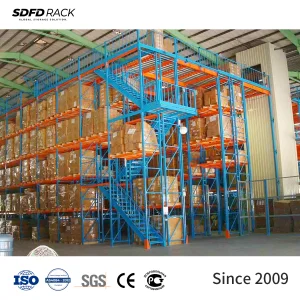
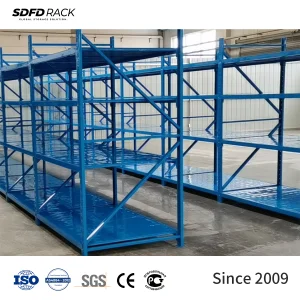
Utilizes adjustable multi-tier long-span shelving and mezzanine configurations to enable high-density hand-picking. These systems integrate with conveyor networks to support rapid item turnover and efficient picking workflows.
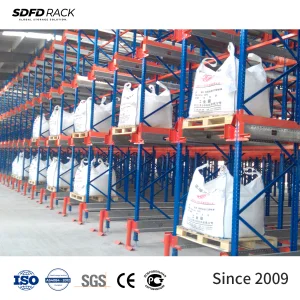
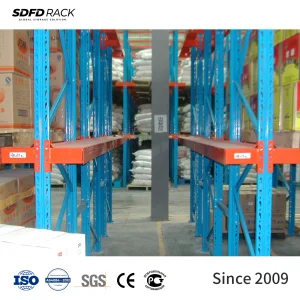
Maximizes high-cost refrigerated spaces using Drive-in and Radio Shuttle racking. Built with specialized cold-resistant powder coatings to prevent corrosion and cracking in temperatures as low as -30°C.
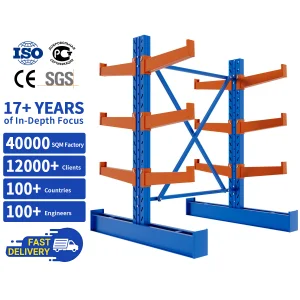
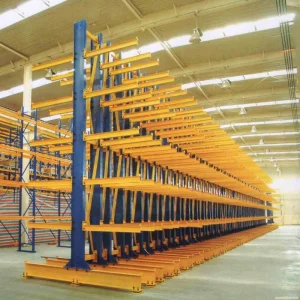
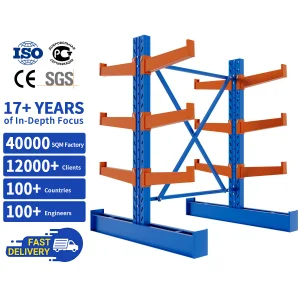
Employs heavy-duty cantilever systems for handling pipes, extrusions, and sheet materials. These structures eliminate front columns, making them ideal for forklift loading of long, oversized items.
For Petrochemical & Hazardous Materials facilities, safety compliance requires specialized systems. Fangding provides customized selective pallet racking with integrated wire decking, frame protectors, and secondary containment structures. These features are designed to minimize risks during handling and support standard warehouse safety systems.
The structural integrity of an industrial racking system depends on its engineering parameters and material quality. Fangding’s production starts with high-strength cold-rolled steel, primarily Q235B and Q355B grades. These steels are chosen for their optimal yield strengths, ductility, and weldability under automated production conditions.
To ensure load ratings are accurate and safety margins are maintained, our engineering department focuses on several key manufacturing and design standards:
Fangding is also planning for future integration with Automated Storage and Retrieval Systems (AS/RS). Our upcoming product line features high-precision tolerances and integrated sensor mounts to support dynamic warehousing layouts, shuttle car systems, and autonomous material handling.
Sourcing industrial shelving across borders involves complex logistics, compliance checks, and quality verification. As an experienced exporter, Fangding simplifies this process by providing comprehensive documentation, certified load capacities, and reliable logistics support.
We work closely with customers to coordinate packaging, container loading, and ocean freight logistics, ensuring products arrive in perfect condition. Our project management team supports international installations by providing clear assembly drawings, detailed layout diagrams, and remote engineering guidance to ensure safety and alignment during setup.
Q235B and Q355B are standard carbon steels used in structural manufacturing. Q235B has a yield strength of 235 MPa and is suitable for standard loads and heights. Q355B is a low-alloy, high-strength steel with a yield strength of 355 MPa. Using Q355B allows us to manufacture components with higher load ratings or thinner profiles without sacrificing safety margins, which is ideal for very high racking structures or heavy loads.
The Teardrop design is a standard configuration in North America, featuring teardrop-shaped holes punched at 2-inch or 3-inch vertical increments. This allows beams to slide into place and lock without tools, making it highly compatible with various brands. European and other metric configurations typically use rectangular or diamond-shaped holes with different pitches (e.g., 50mm or 75mm). Metric configurations are highly rigid and designed to meet local European design standards.
Our quality management system, run by 42 inspectors, performs continuous checks. We verify raw materials, inspect weld quality, check dimensional tolerances, and test powder coating adhesion. We also conduct physical load tests on upright frames and beams to verify their deflection properties under load, ensuring every batch meets the calculated safety factors.
Yes. Operating as an OEM & ODM manufacturer, we provide tailored design services. Our R&D team of 58 engineers works from customer layouts, loading requirements, and local safety standards to design custom configurations, adjust structural profiles, and select appropriate surface finishes for each application.
 Fangding Rack