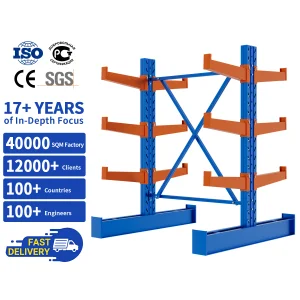
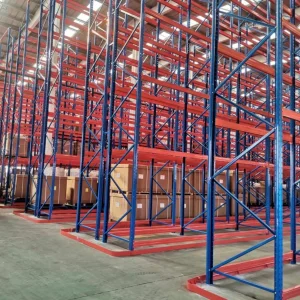
High-capacity structural configurations tailored to optimize industrial volume utilization and throughput velocity.
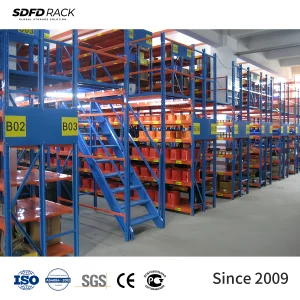
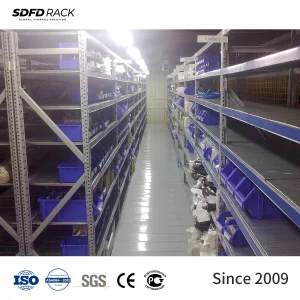
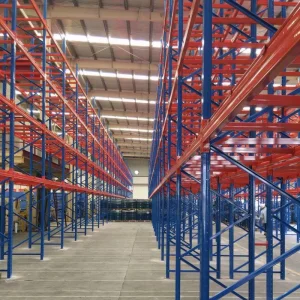
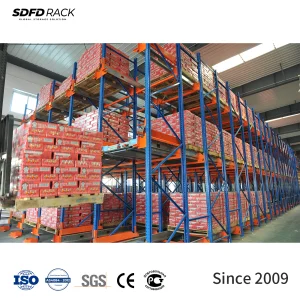
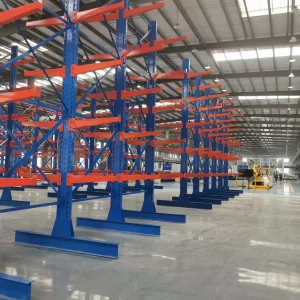
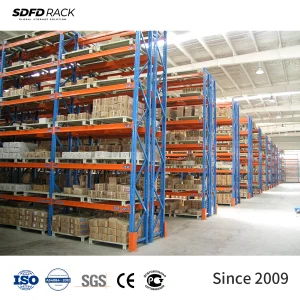
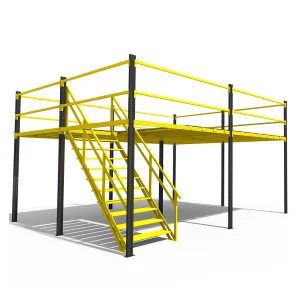
A deep structural dive into the integration of high-grade metallurgy, automation, and localization logistics.
Modern global logistics centers face unprecedented demands driven by multi-channel fulfillment operations, land scarcity, and localized manufacturing reshoring. Real estate acquisition costs in primary logistics corridors (e.g., North America, Western Europe, and Southeast Asia) have reached historical highs. Consequently, supply chain and warehousing operations must pivot from footprint-intensive horizontal layouts to high-volume vertical designs. This shift requires sophisticated load calculations, rigid steel selection, and compliance with strict regional structural regulations.
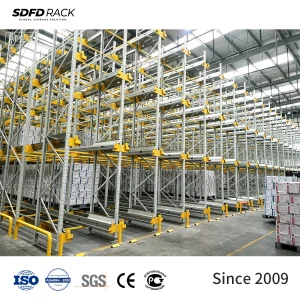
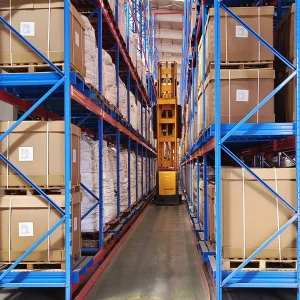
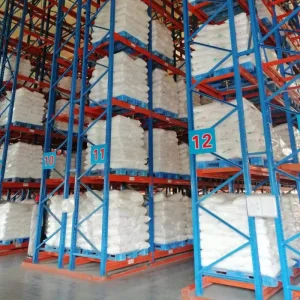
To balance spatial constraints with structural durability, enterprise organizations are deploying hybrid racking configurations. Industrial solutions such as Very Narrow Aisle (VNA) configurations, modular steel mezzanine structures, and automated radio shuttle systems offer paths toward optimized space utilization. Implementing these technologies requires deep metallurgical engineering expertise, advanced stress analysis, and automated processing lines to guarantee stability under dense, dynamic load profiles.
Dongguan Fangding Warehousing Equipment Manufacturing Co., Ltd., established in 2016, operates as a leading designer, producer, and exporter of industrial storage solutions. Rooted in 14 years of industry expertise and 8 years of international trade experience, our manufacturing processes serve clients across North America, Europe, Southeast Asia, Australia, and the Middle East. Operating out of an 18,600m² facility, we support global operations with a dedicated production and research team focused on space optimization.
Our OEM & ODM support is backed by 58 structural and mechanical engineers. They generate over 95 custom configuration iterations and structural design improvements annually. This capacity allows us to configure and supply customized solutions for cold-chain facilities, distribution hubs, heavy manufacturing warehouses, and e-commerce fulfillment centers. As a result, our export revenue exceeds US$18 million annually, supported by a network of over 1,150 strategic partners worldwide.
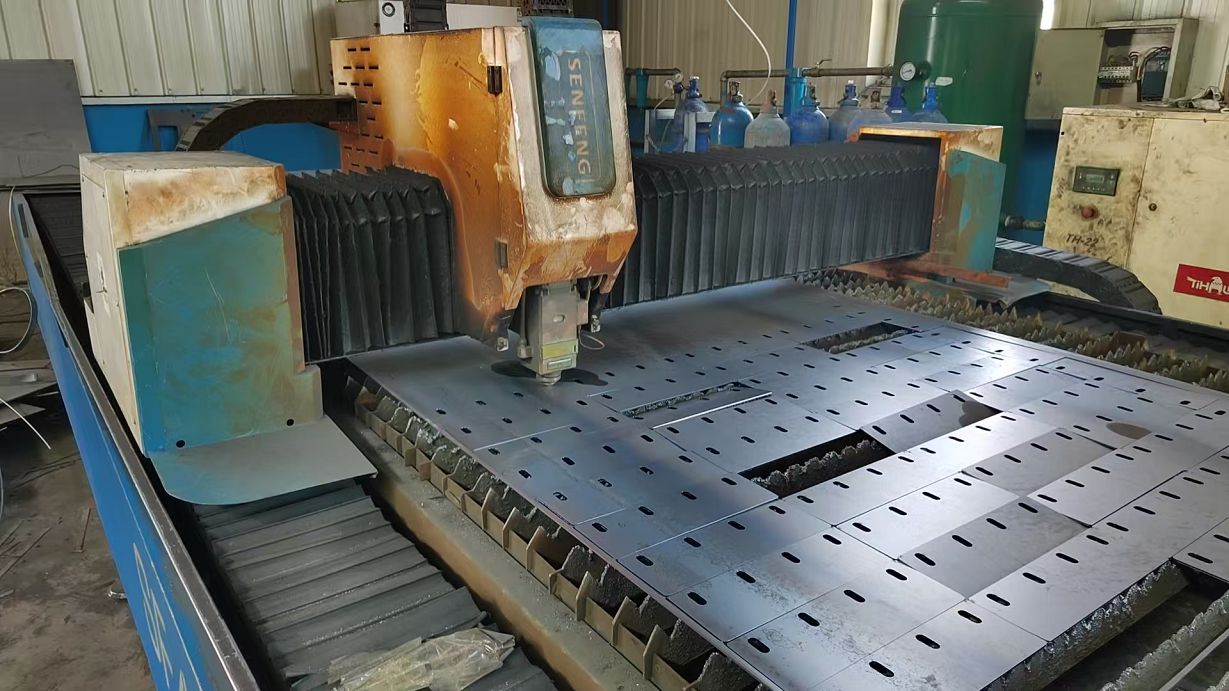
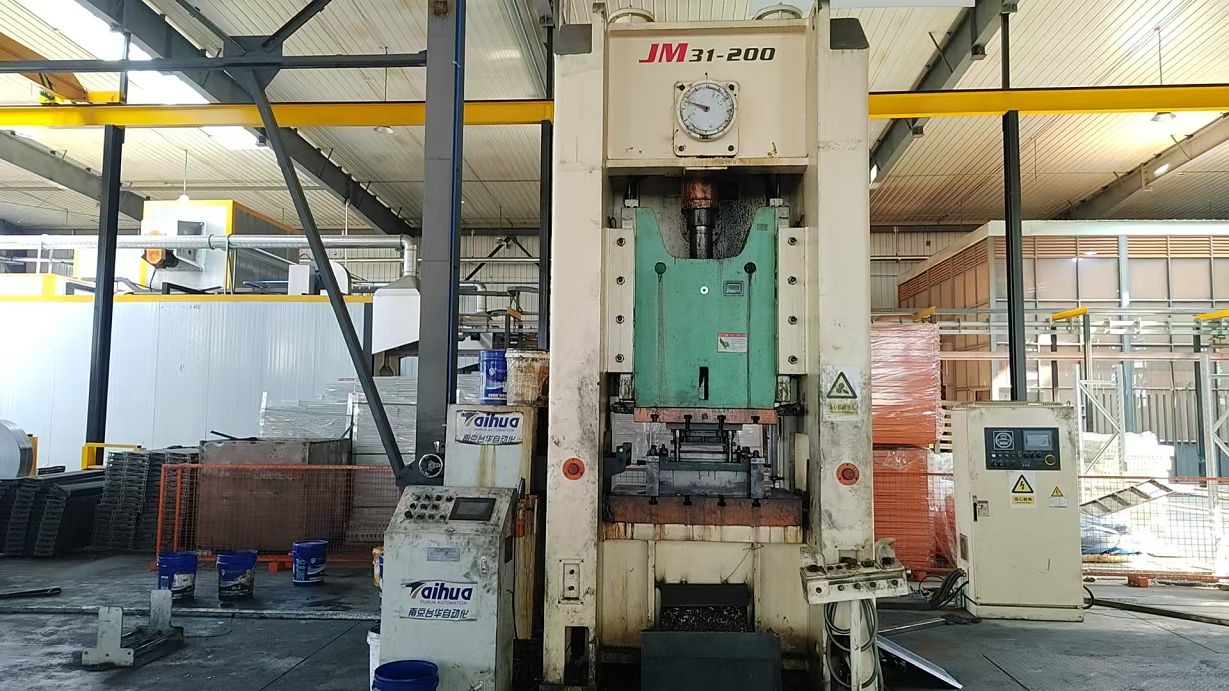
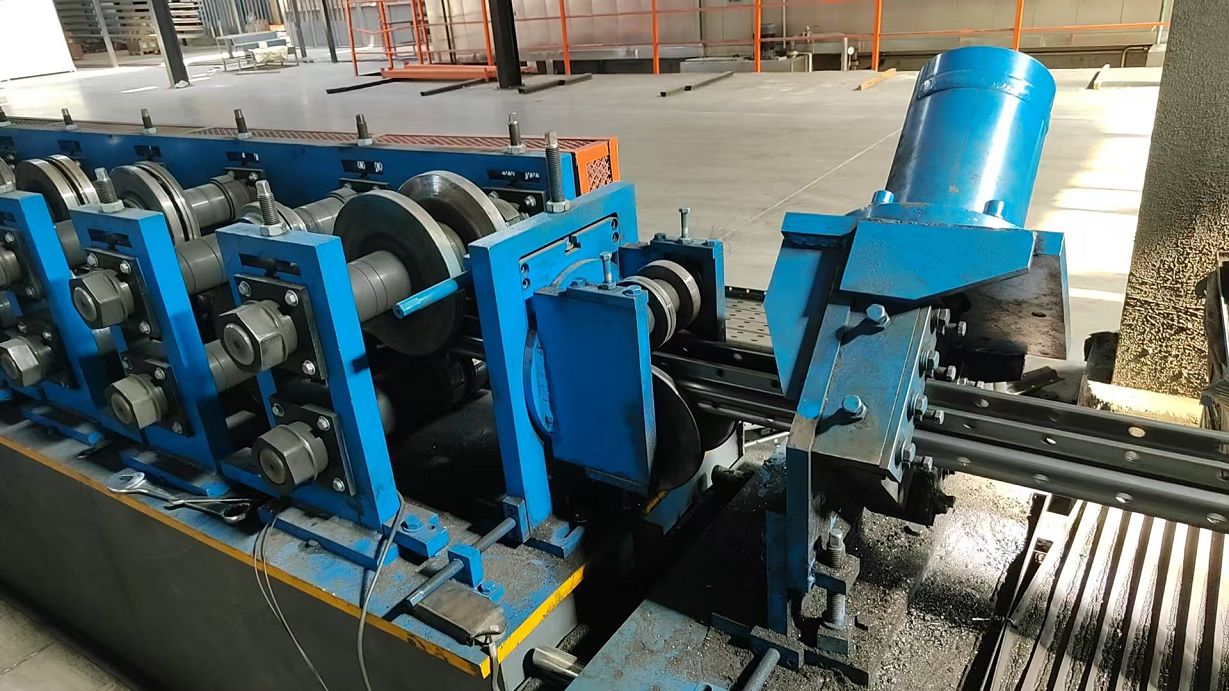
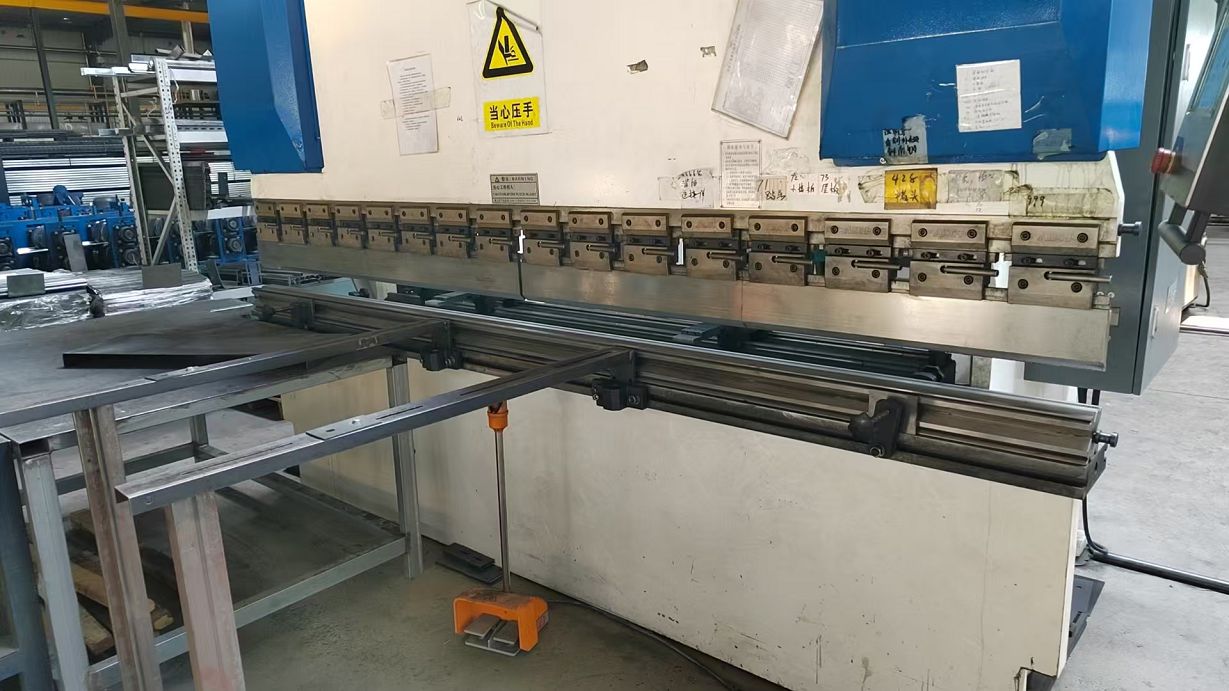
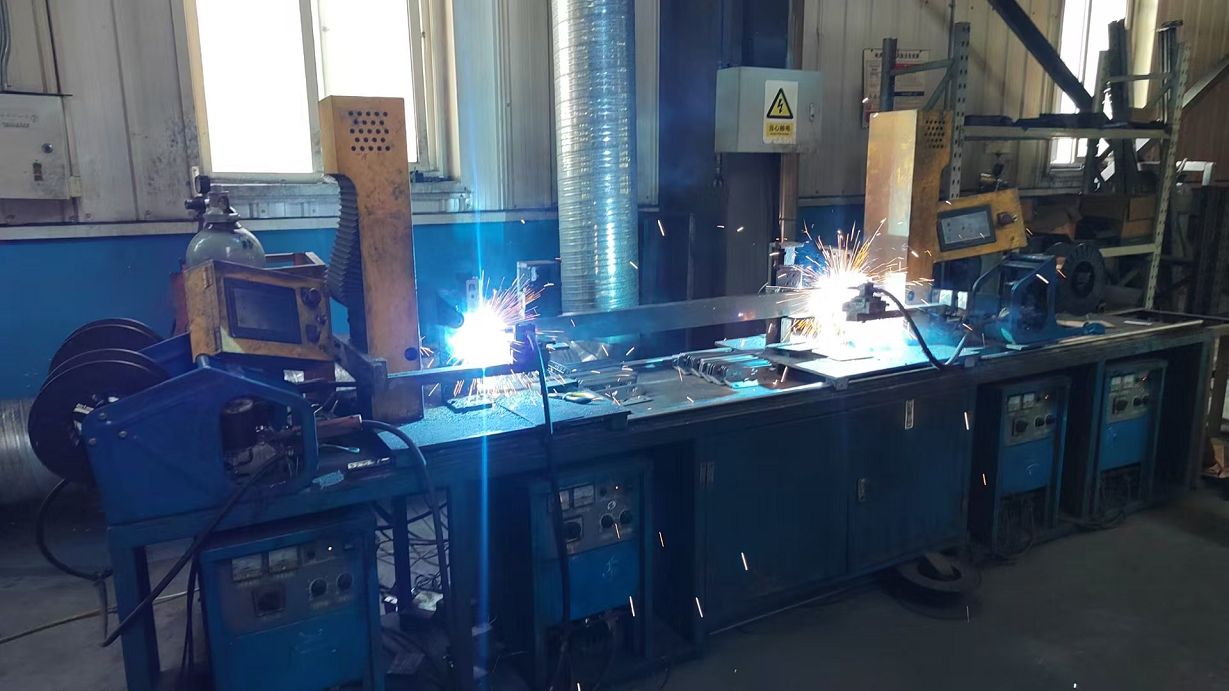
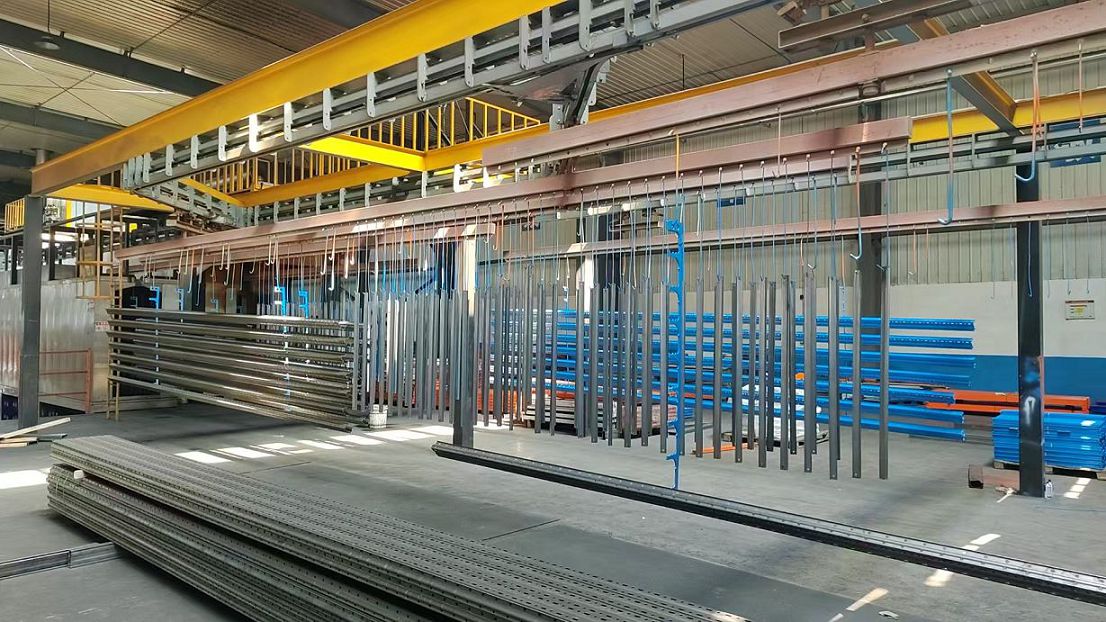
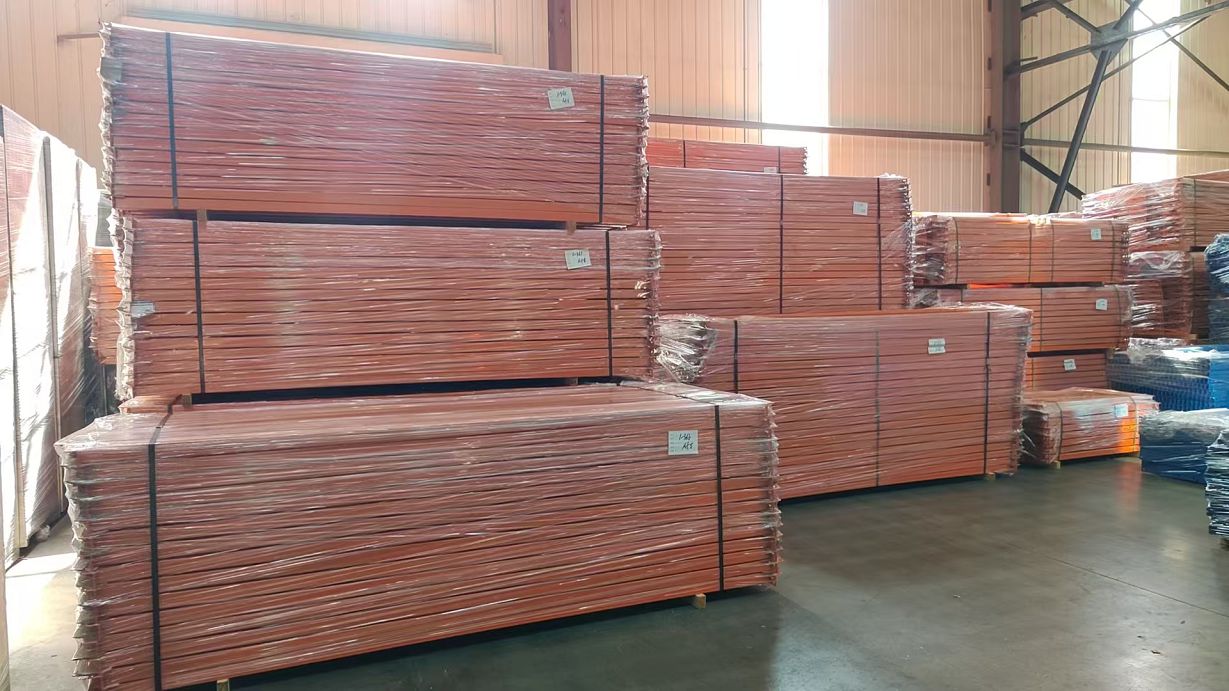
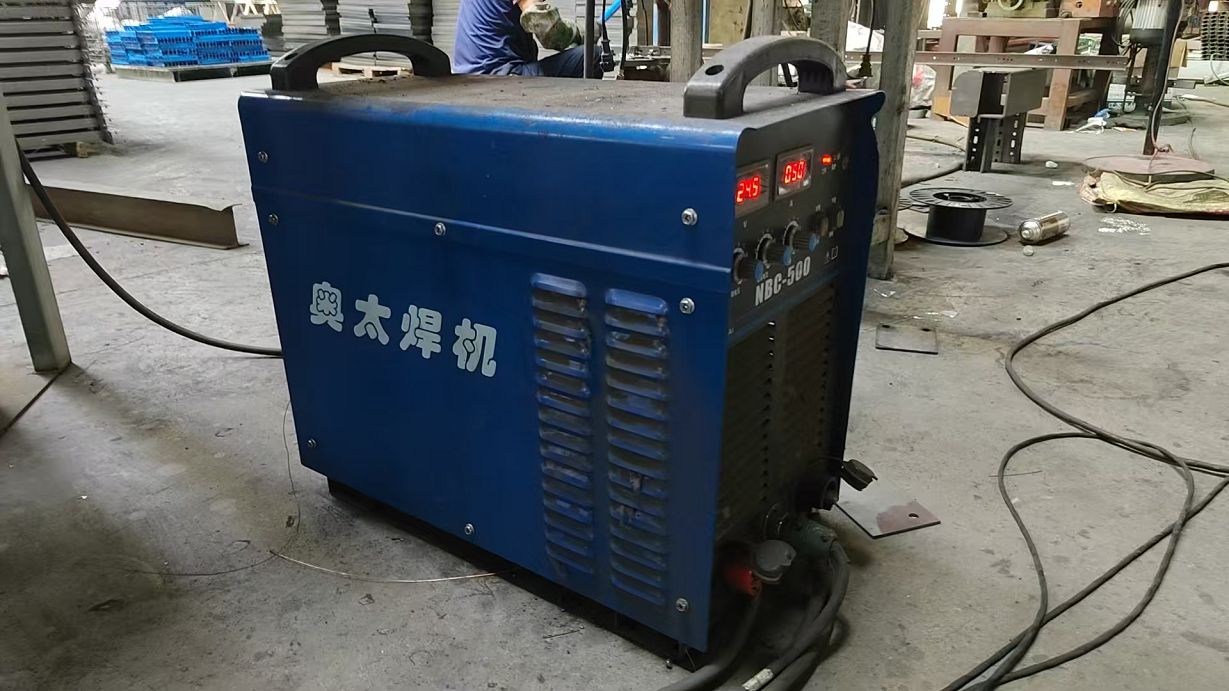
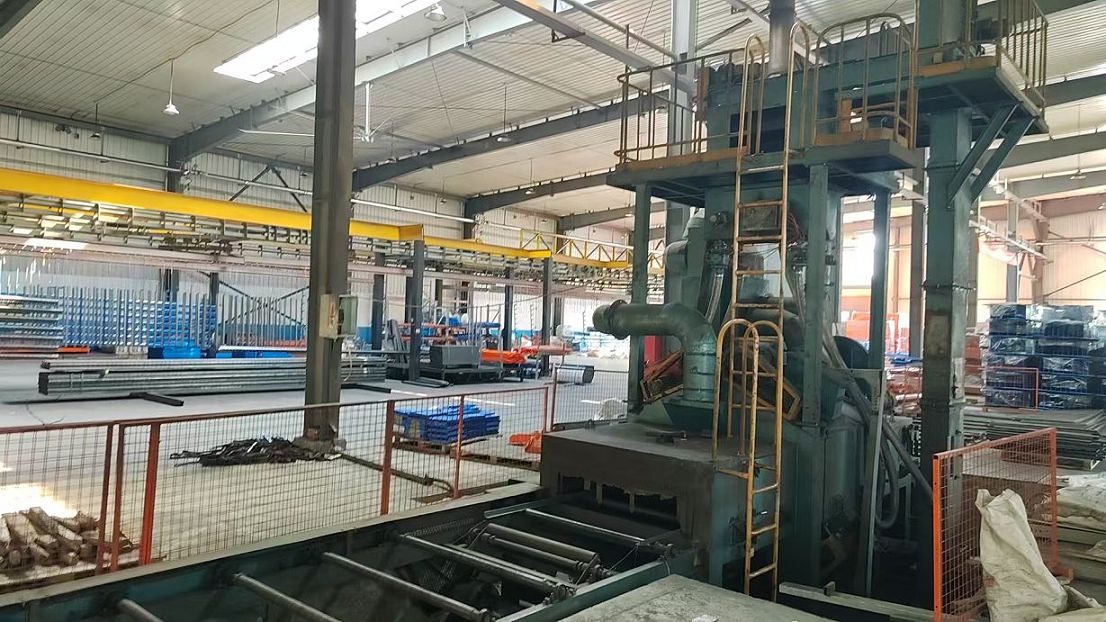
A breakdown of our end-to-end production capabilities, demonstrating structural reliability from raw steel coils to the finished powder-coated components.
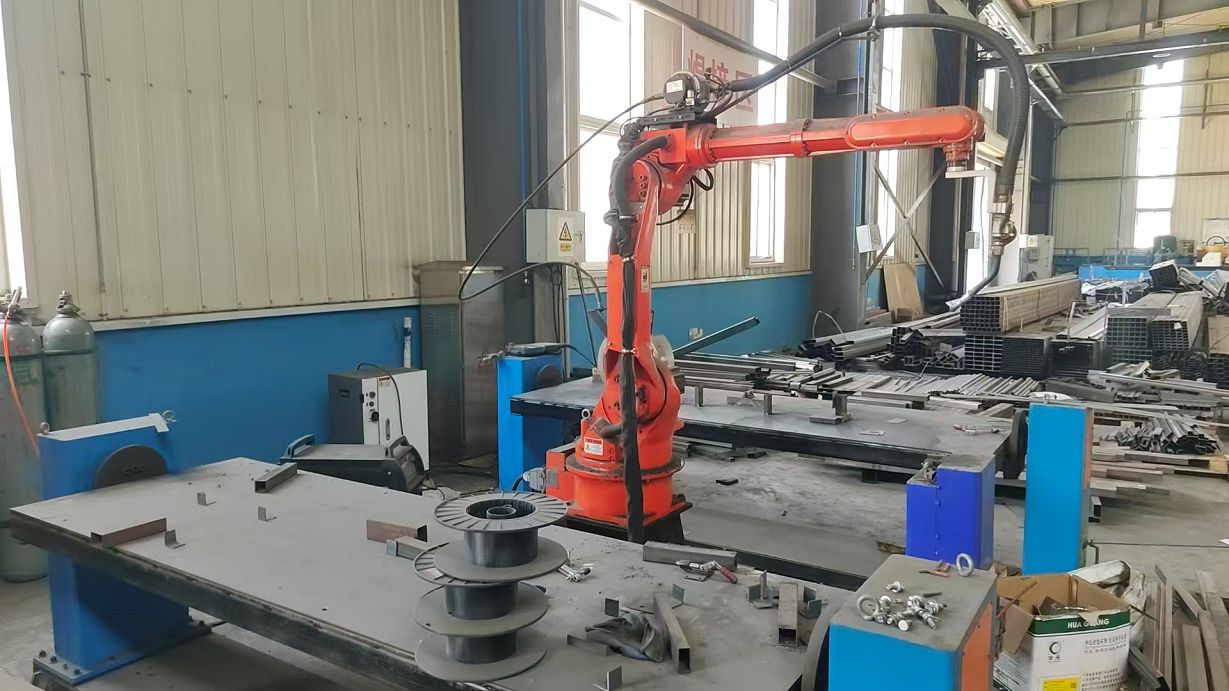
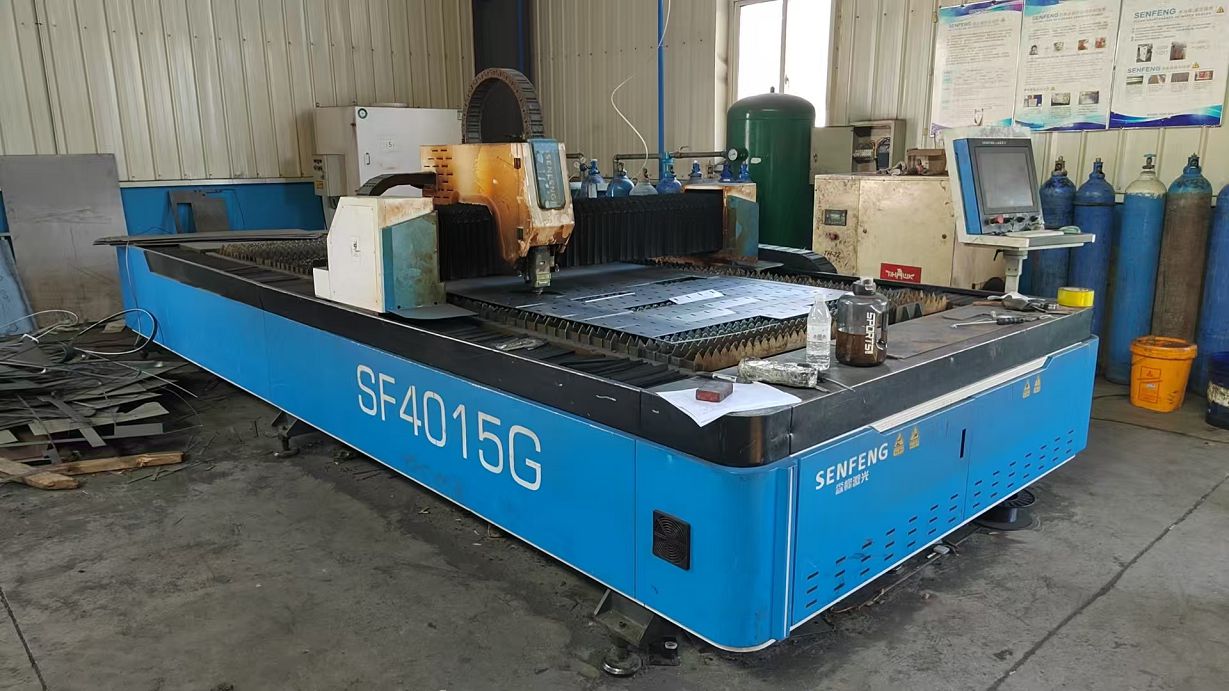
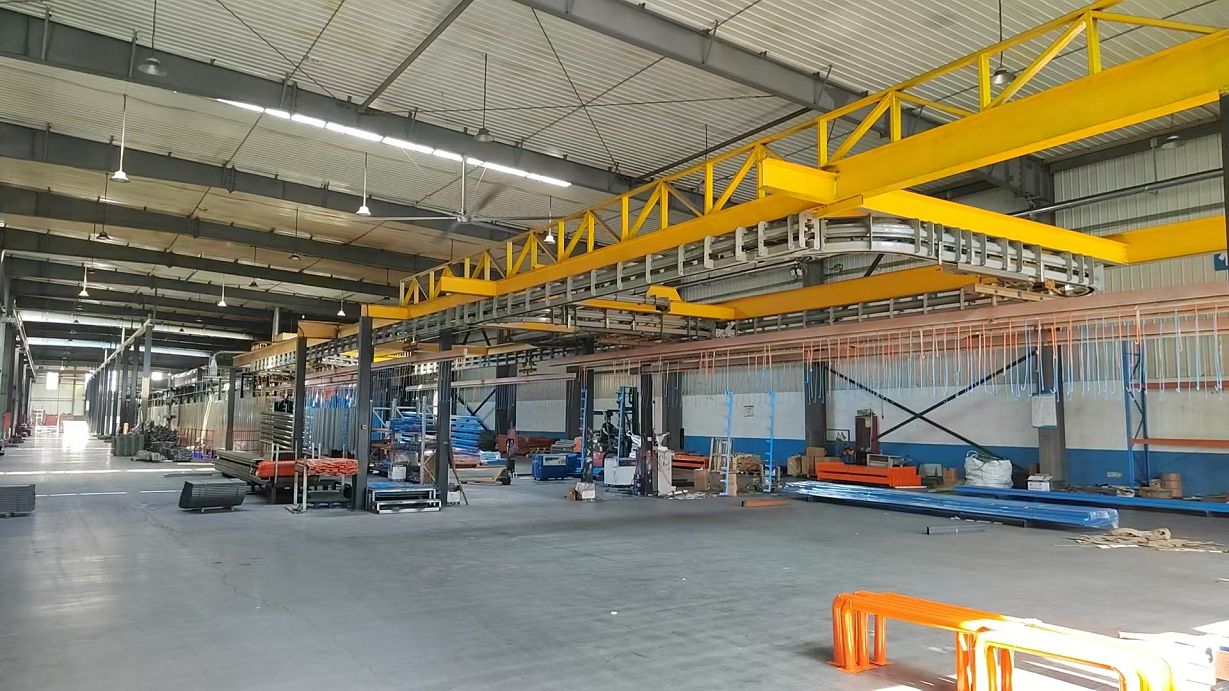
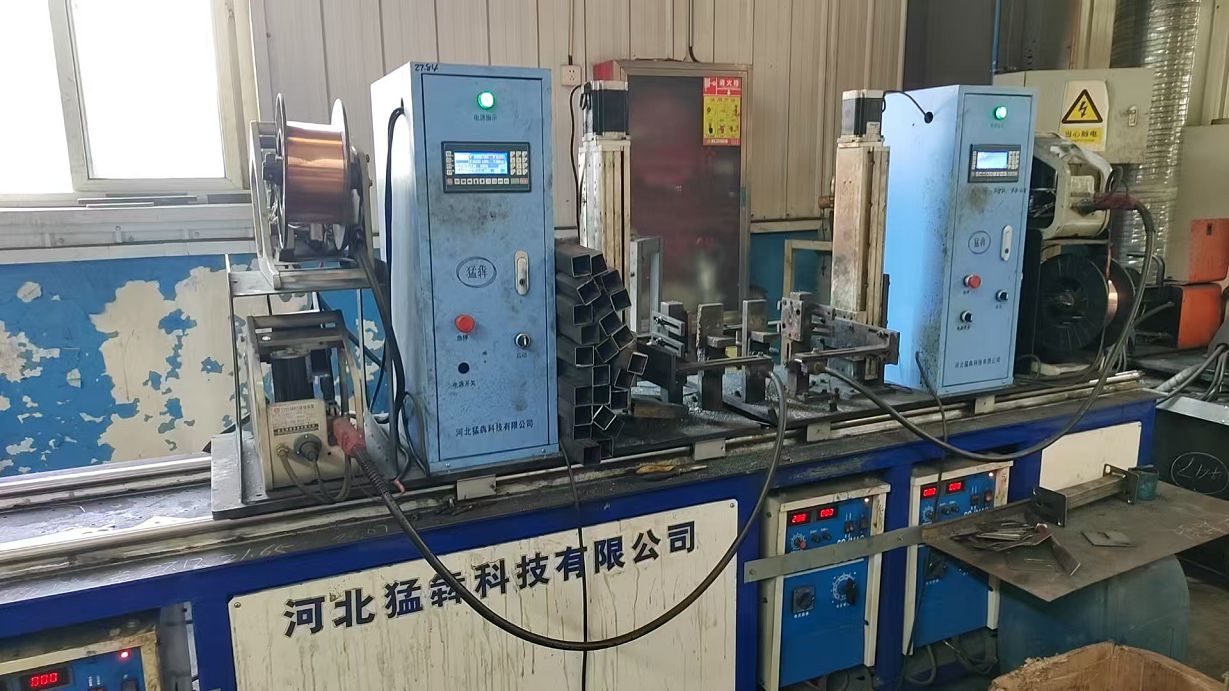
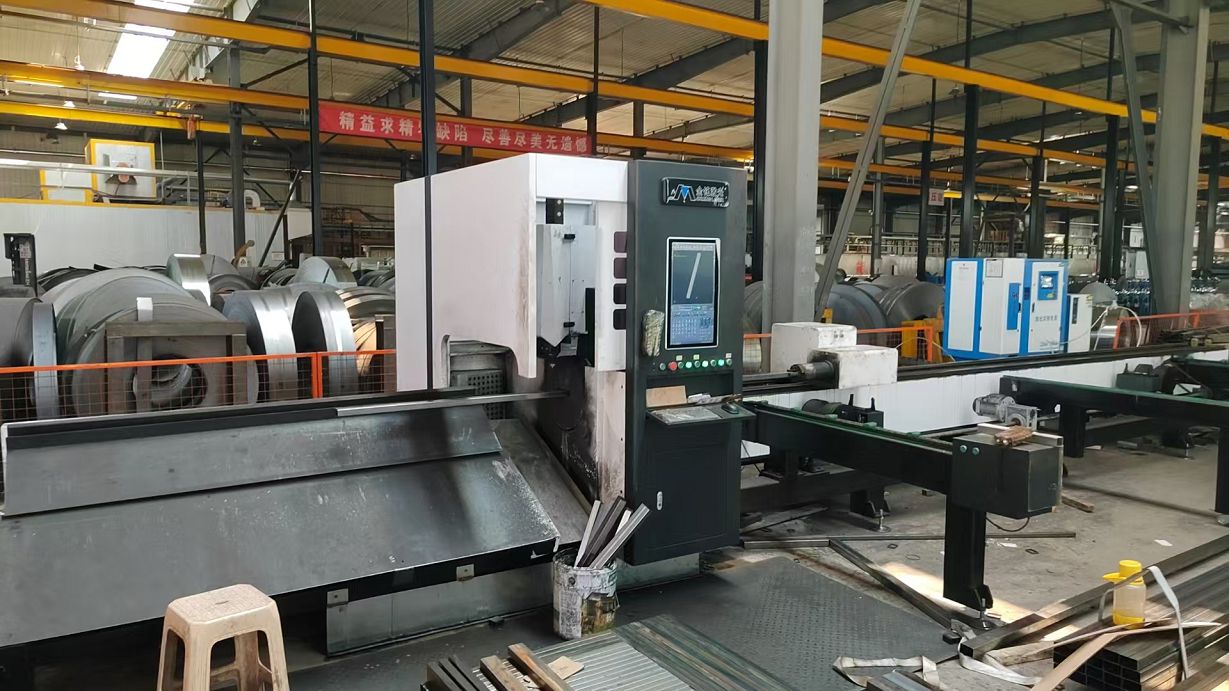
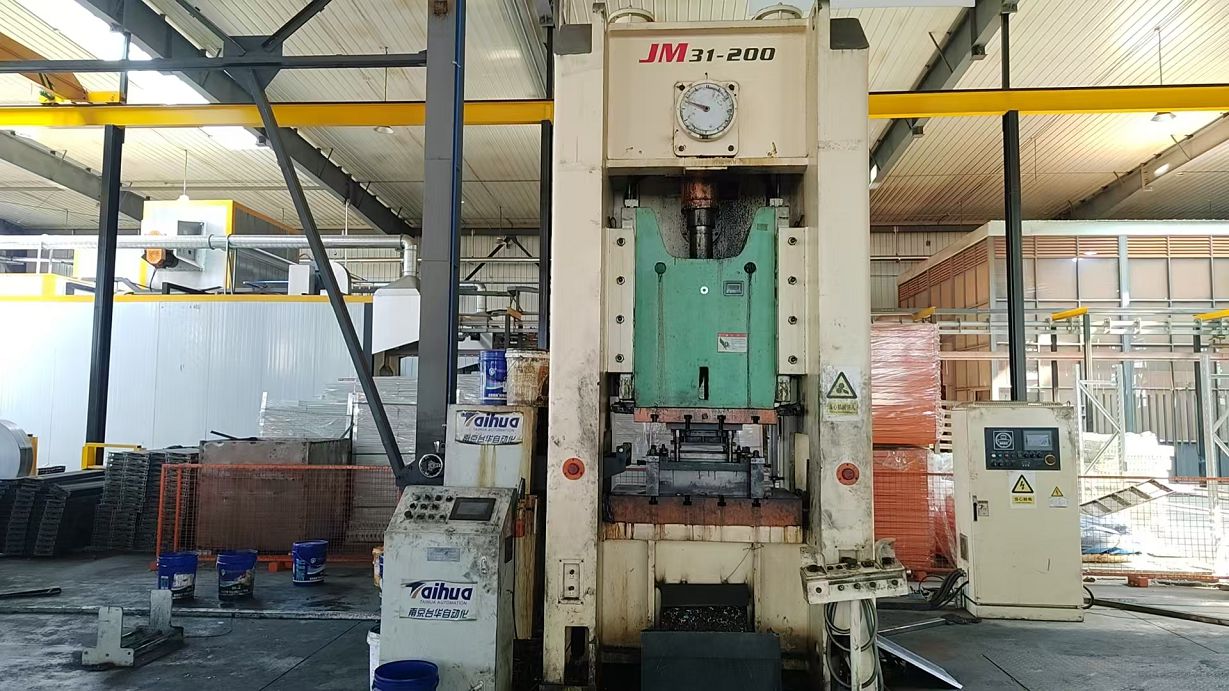
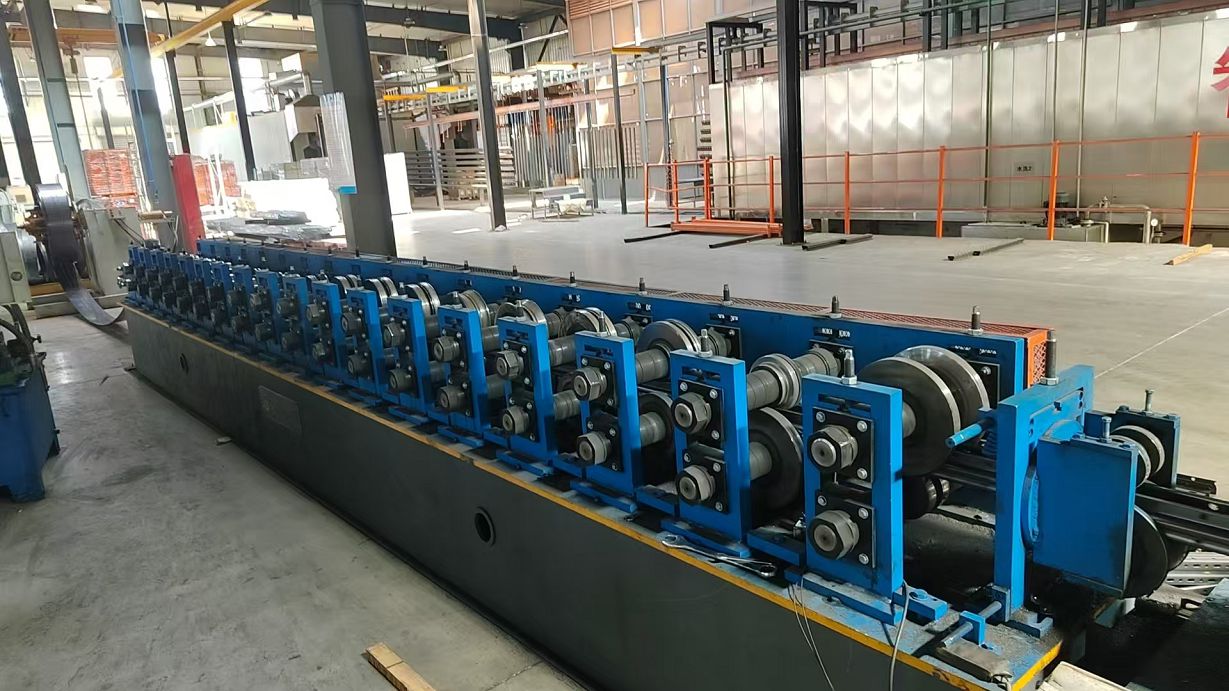
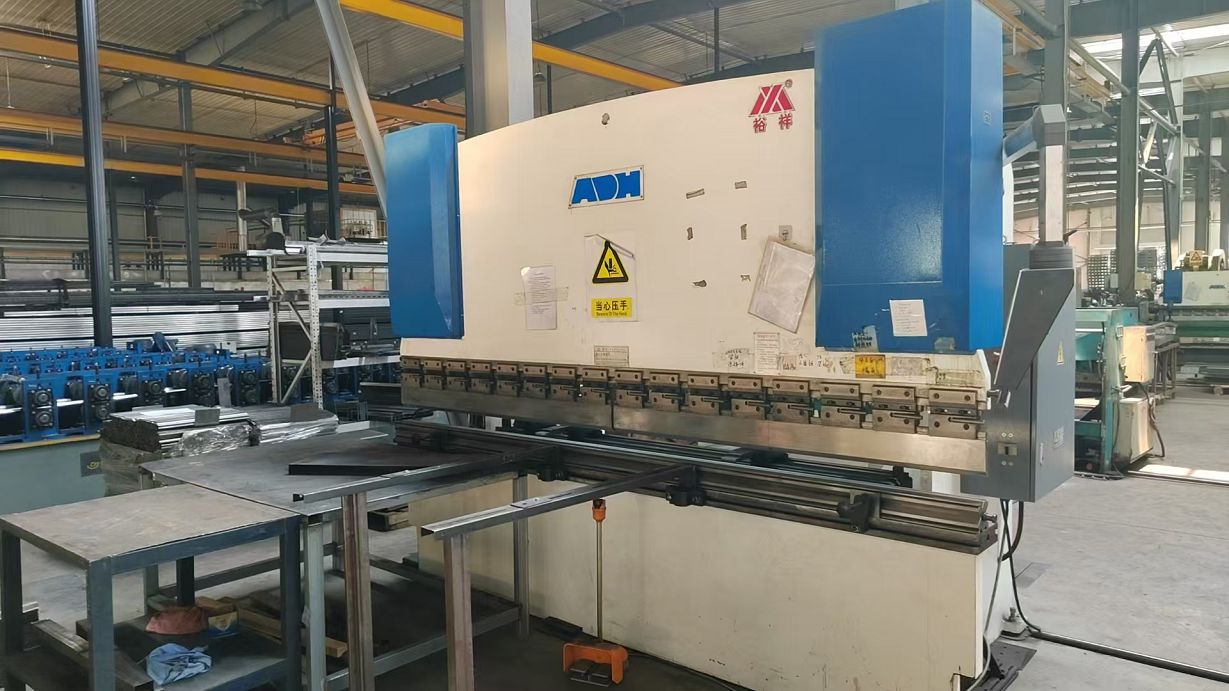
Warehousing racking systems are critical structural elements subject to regional structural safety laws, seismic codes, and variable operational demands. A standard storage solution must adapt to localized environmental factors to ensure longevity and safety:
Projects located in high-activity seismic zones (e.g., California, Japan, New Zealand) require structural design adjustments. We run Finite Element Analysis (FEA) to determine stress distribution, modifying upright baseplates, heavy bracing structures, and anchor bolts to withstand dynamic ground movement.
Sub-zero environments (-25°C to -30°C) impact steel ductility. We supply specialized low-temperature structural steels, modified powder coatings to resist thermal cracking, and automated radio shuttle systems configured with high-performance lithium batteries designed for low-temperature settings.
For outdoor industrial operations, chemical facilities, or coastal ports, standard carbon steel is vulnerable to oxidation. We offer hot-dip galvanized finishes (conforming to EN ISO 1461 standards) or multi-layer epoxy powder coatings to provide protection against corrosion.
The resilience of the modern industrial supply chain relies on consistent access to raw materials and stable production processes. Operating from China’s Pearl River Delta manufacturing region, we secure stable access to tier-1 steel mills, ensuring consistent raw material quality and pricing predictability.
This localized supply chain ecosystem is complemented by internal production controls. Our factory-level integration controls every stage of fabrication, from cold-roll profiling to automated robot welding and shot blasting. This end-to-end control reduces dependence on third-party suppliers, shortening lead times and lowering production costs compared to non-integrated operations. This allows us to maintain production schedules and stable shipping windows for global infrastructure projects.
Modern logistics operations are moving toward fully automated warehouses. Traditional static racking is evolving into dynamic systems designed for automated storage and retrieval systems (AS/RS). Our technology roadmap focuses on:
Answers to engineering, load-rating, and international compliance questions.
Explore our range of customizable, high-density, and automated storage solutions.
 Fangding Rack