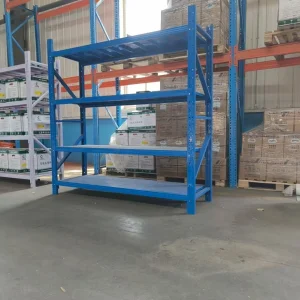
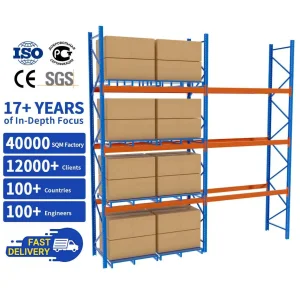
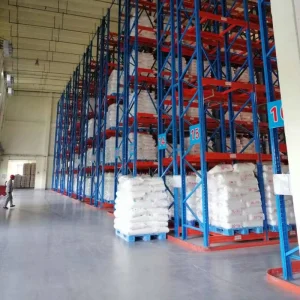
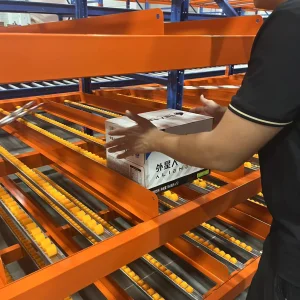
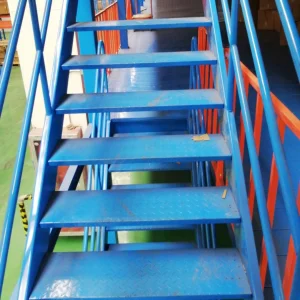
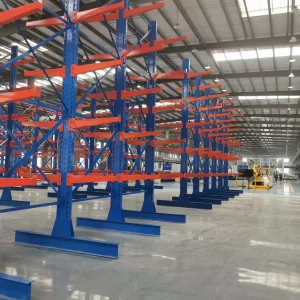
As an elite OEM & ODM manufacturer, Fangding integrates structural calculation with state-of-the-art cold-roll forming to create systems that optimize volumetric footprint. We support over 1,150 strategic supply chain partners globally, including warehouse equipment distributors, engineering contractors, and industrial end-users across North America, Europe, Southeast Asia, Australia, and the Middle East. Our product development cycles release over 95 new configurations and design improvements annually, matching the rapid evolution of global logistics.
Quality assurance at Fangding is managed with absolute precision. Every component is subjected to a rigorous 100% inspection regimen—encompassing load capacity validation, dimensional structural tolerancing, weld integrity checks using ultrasonic methods, electrostatic powder coating adhesion test (cross-cut tape method), and shock-absorbent packaging verification. With 42 seasoned inspectors running our quality circles, we guarantee code compliance and lifetime dependability.
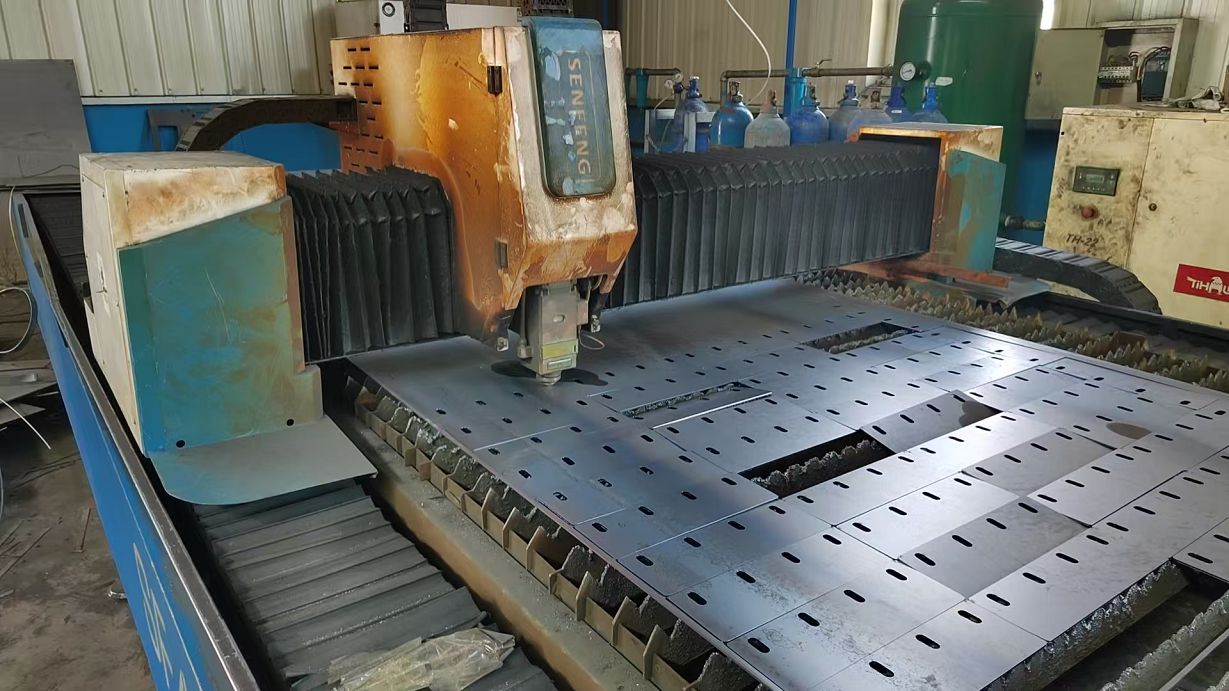
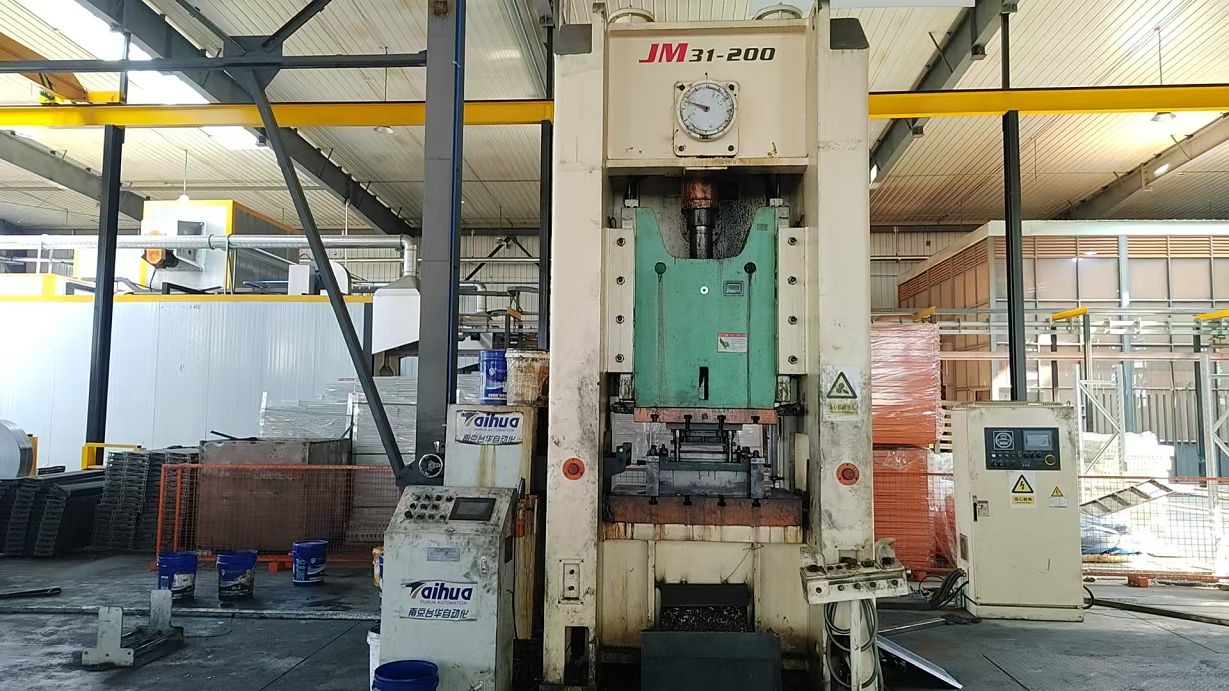
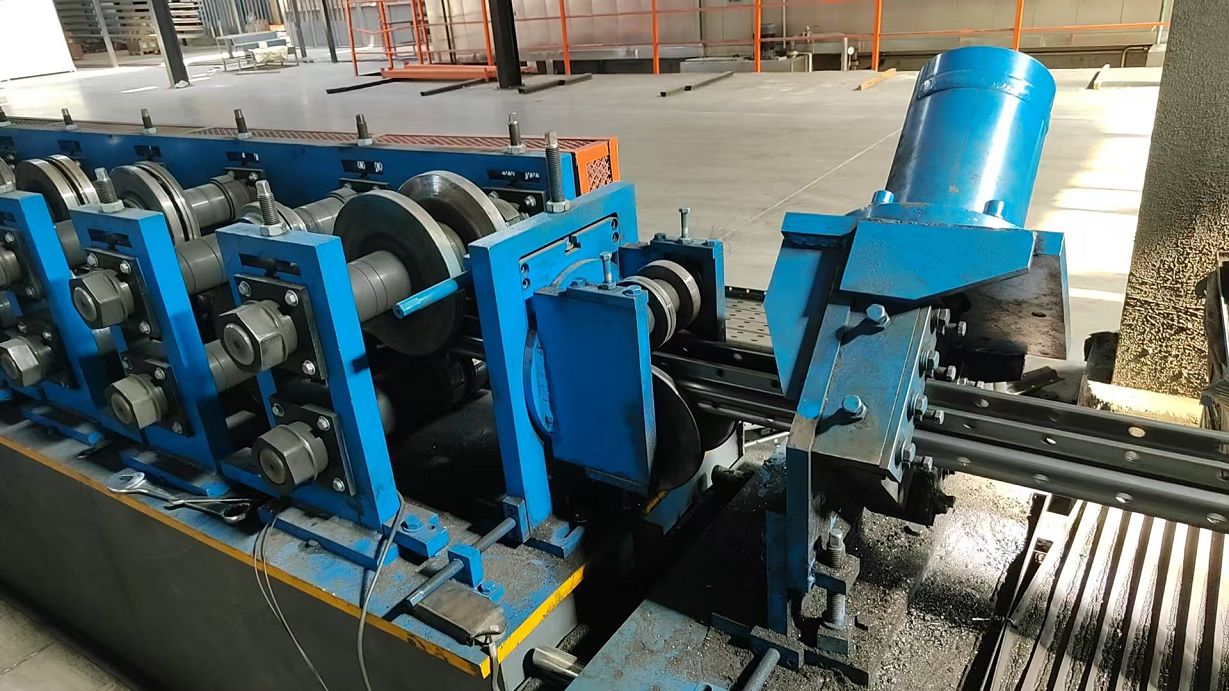
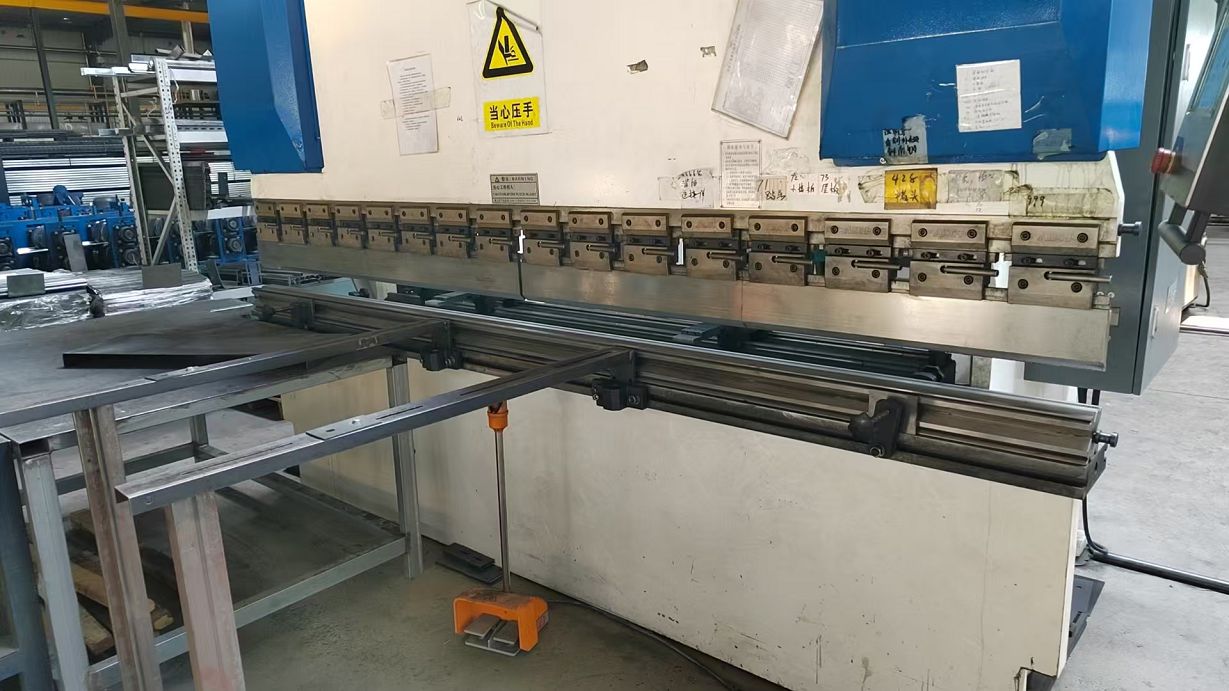
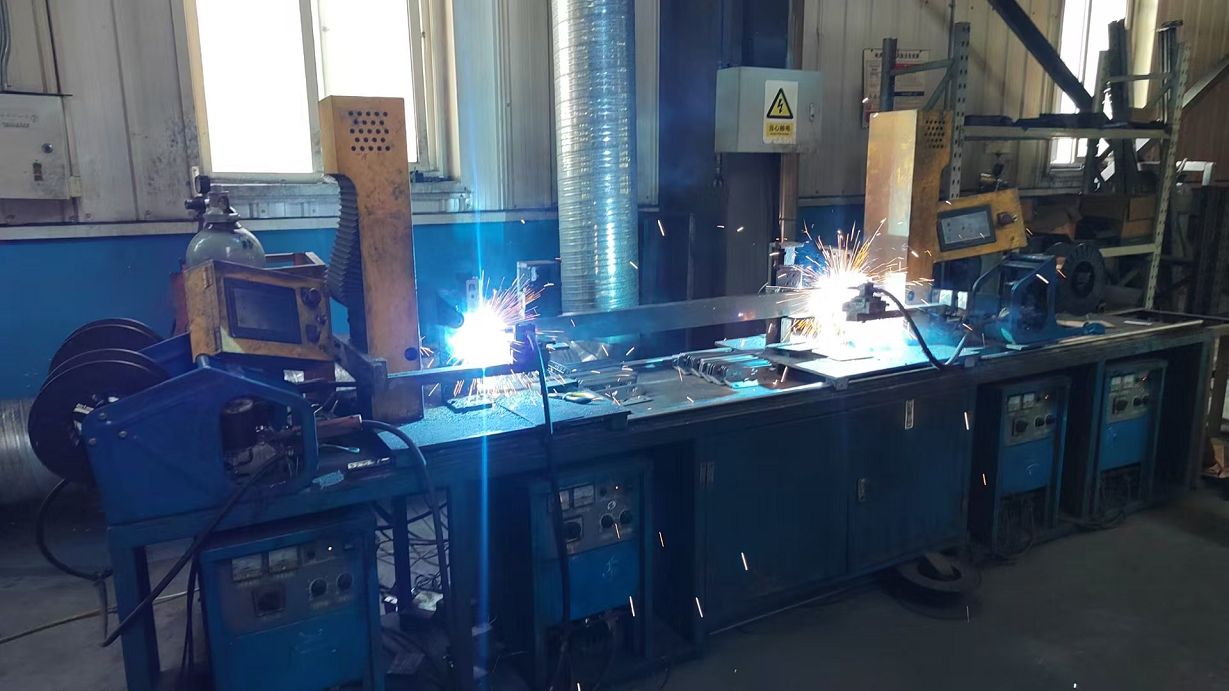
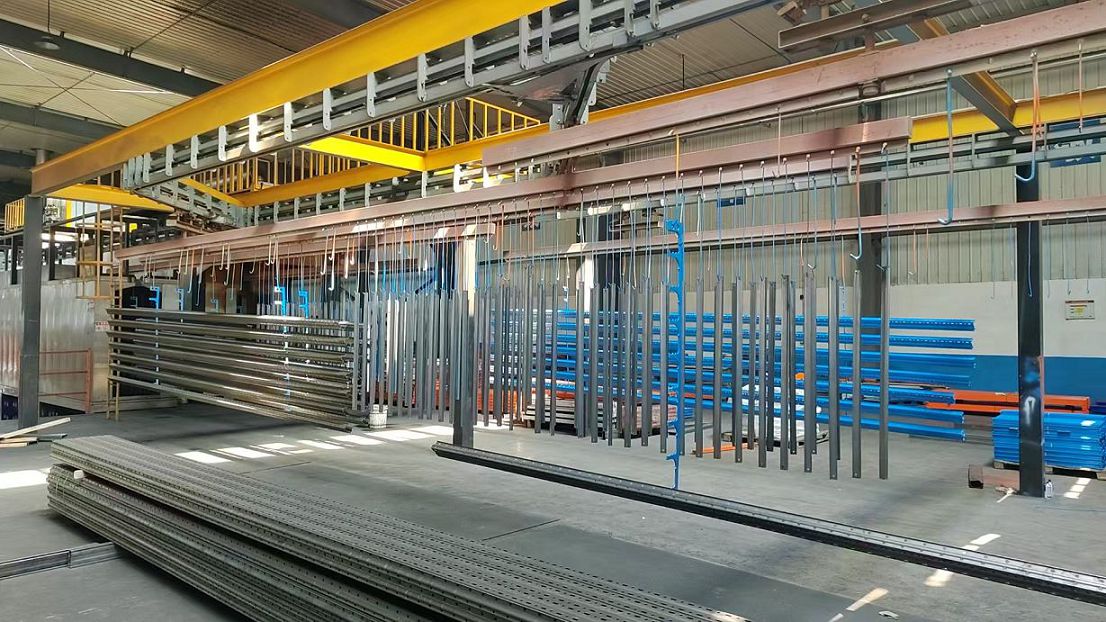
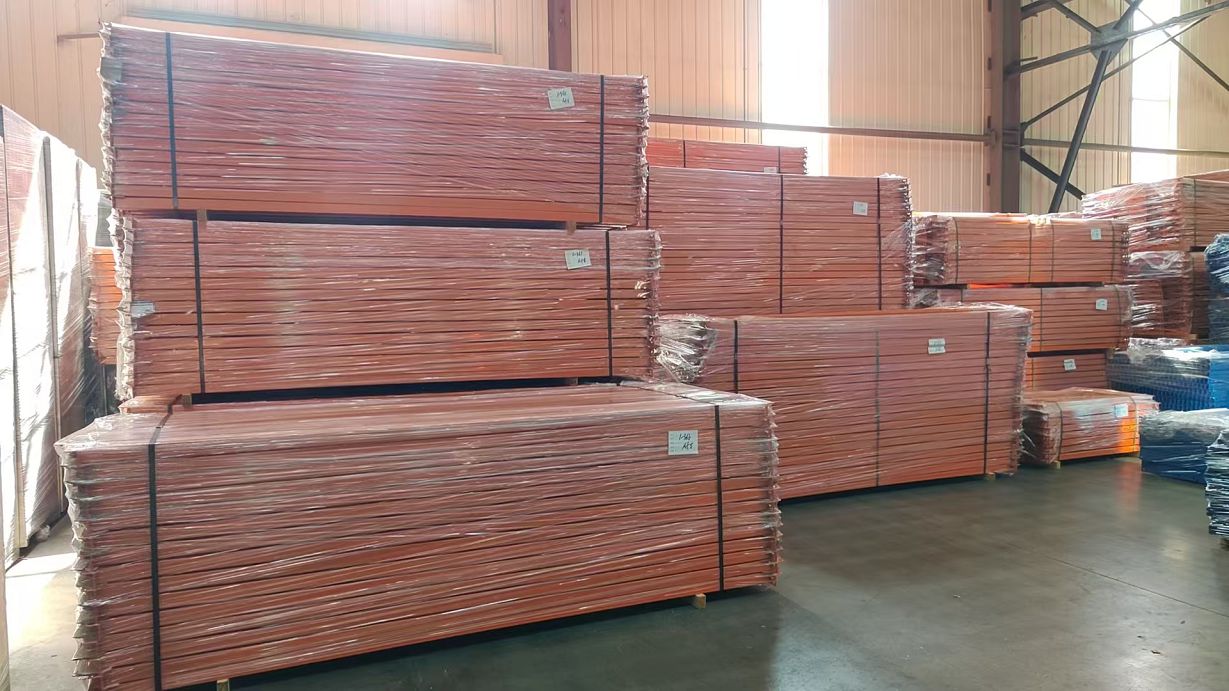
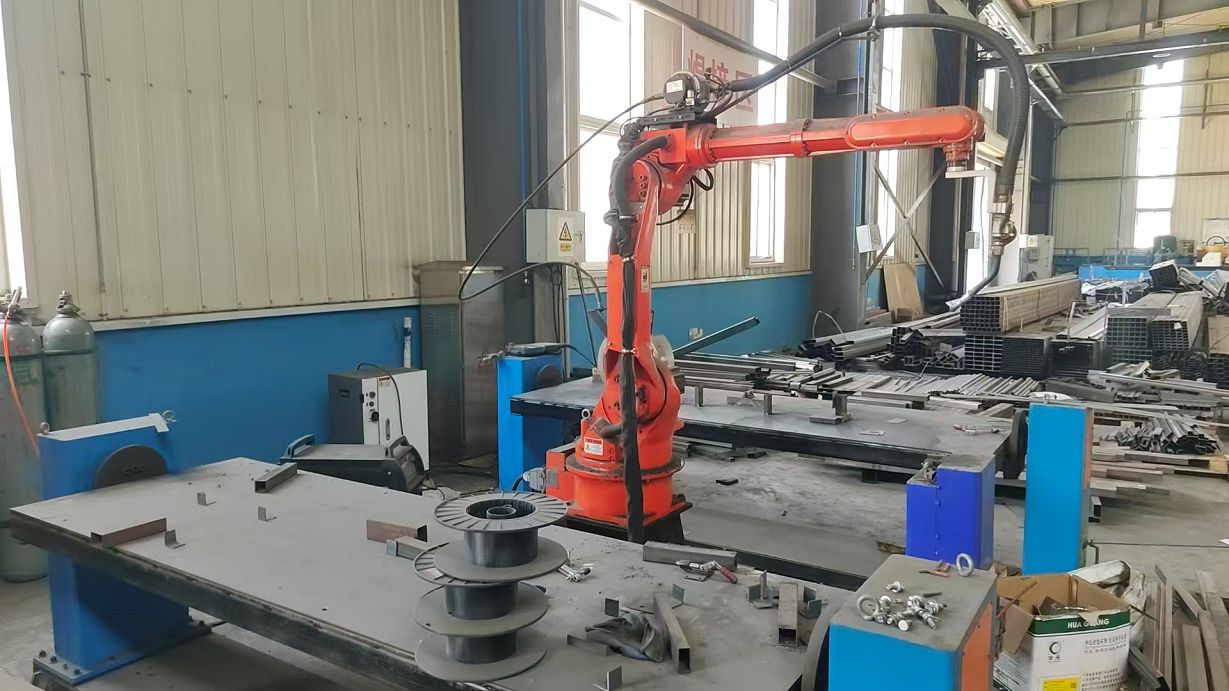
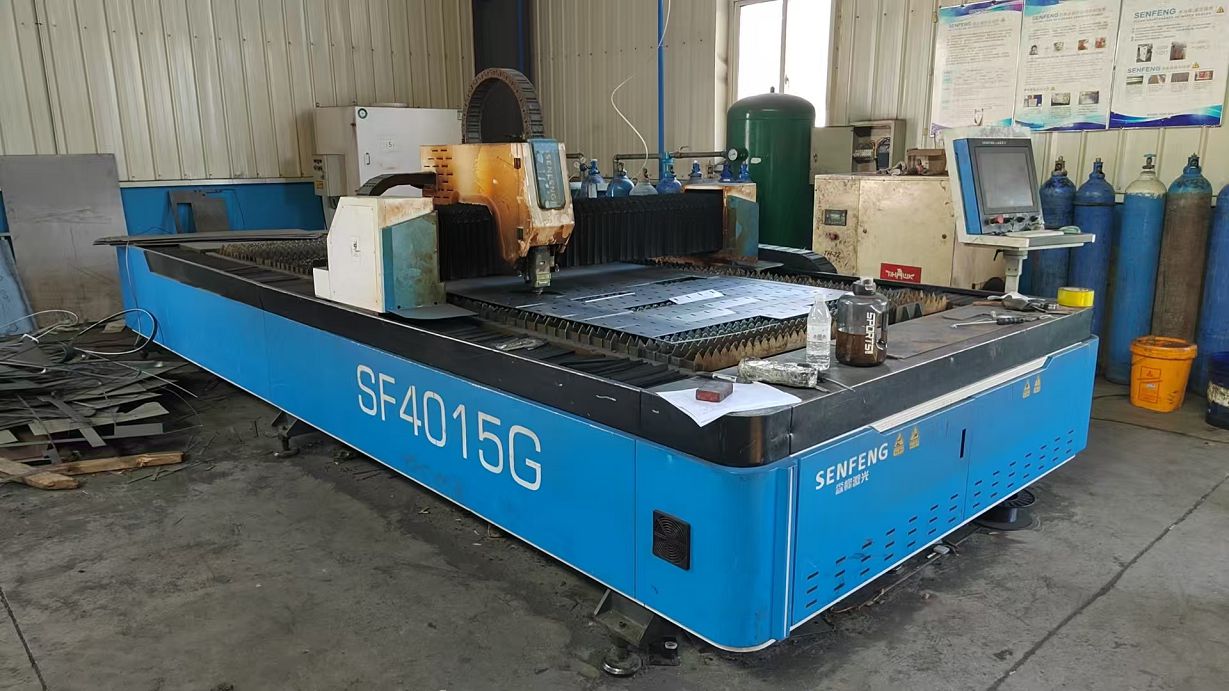
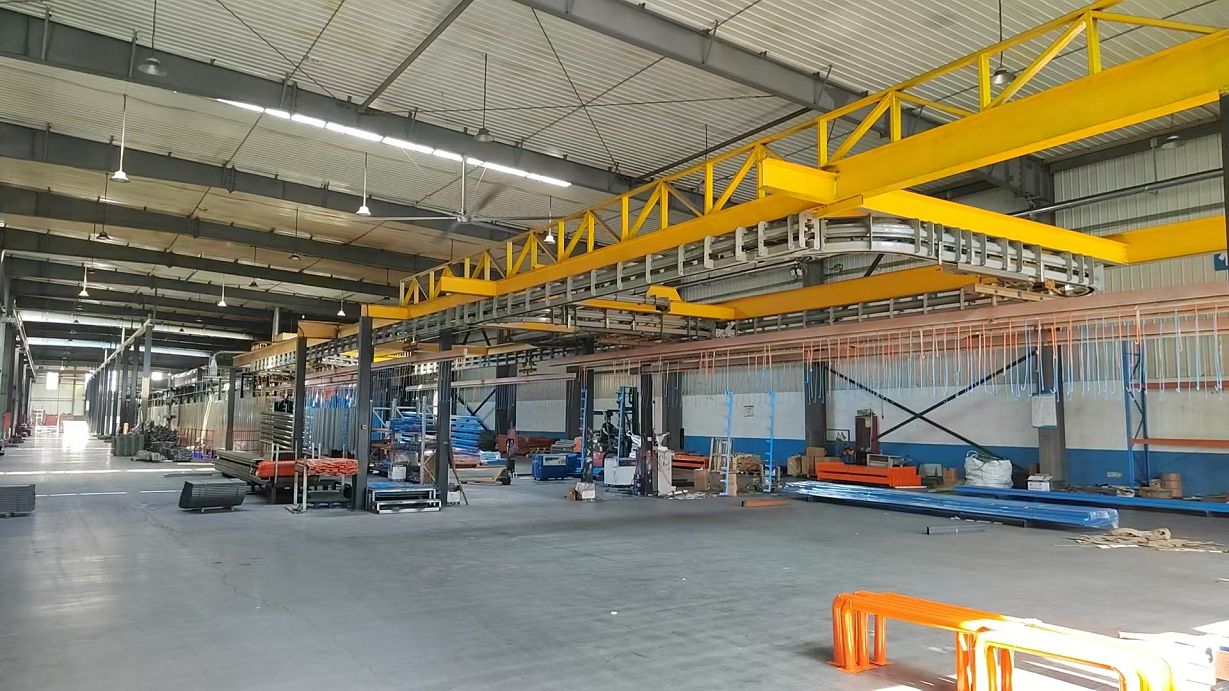
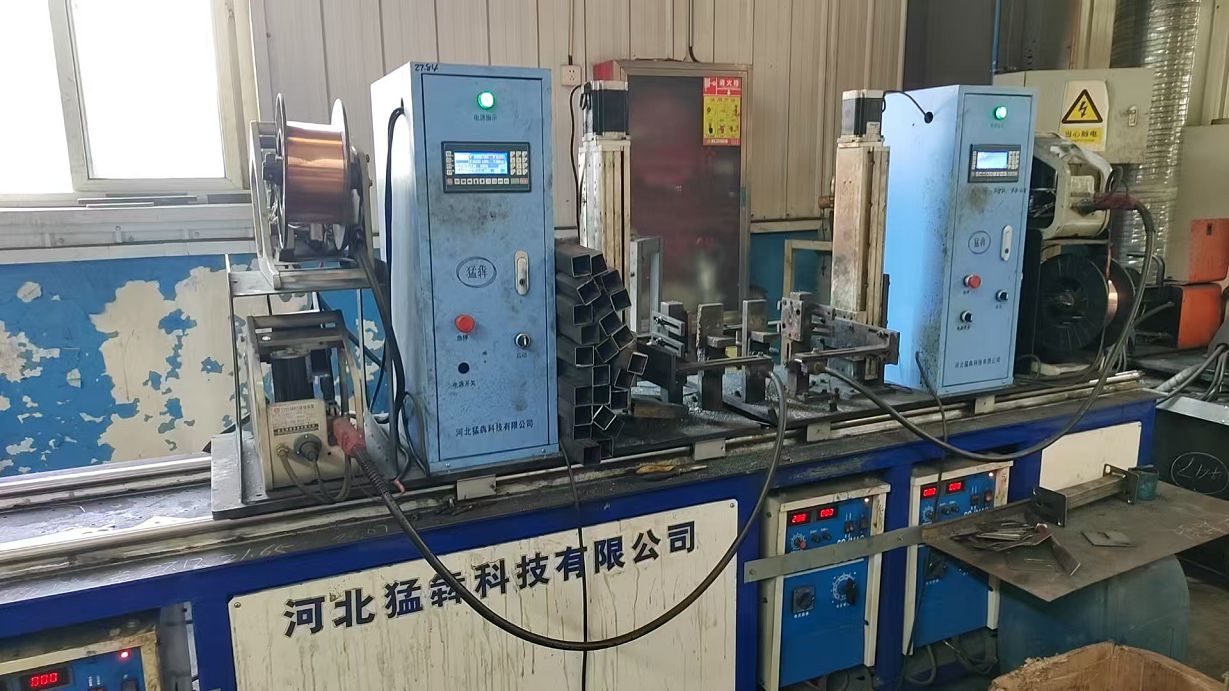
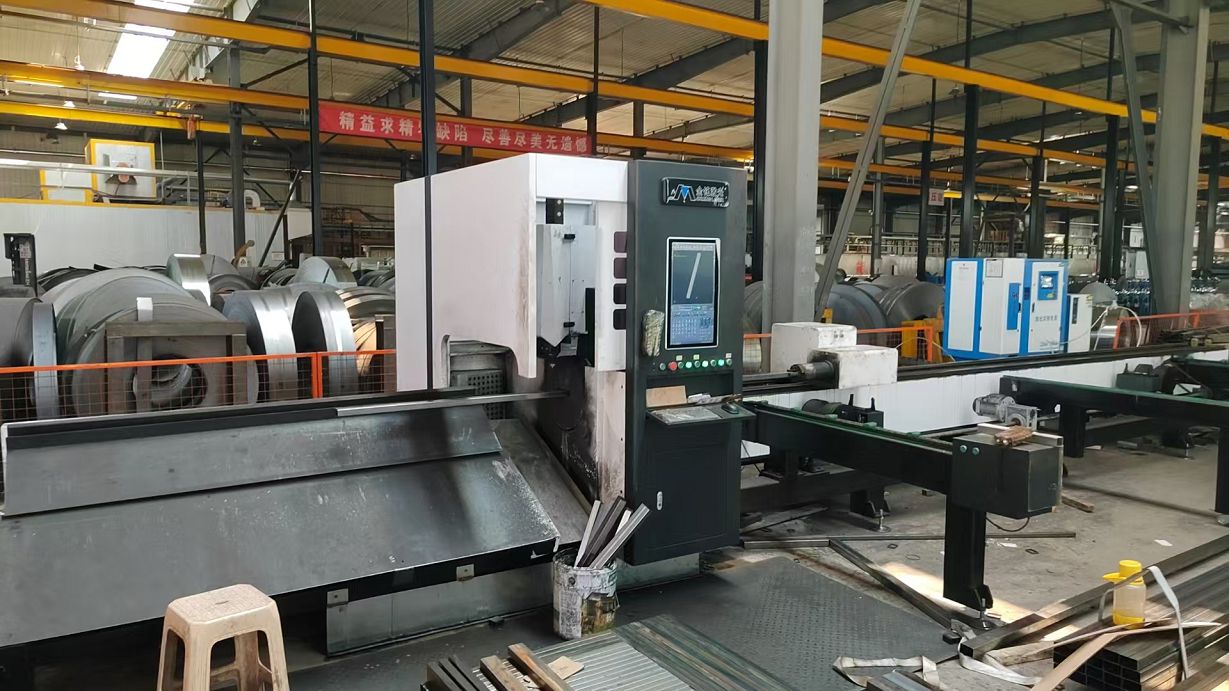
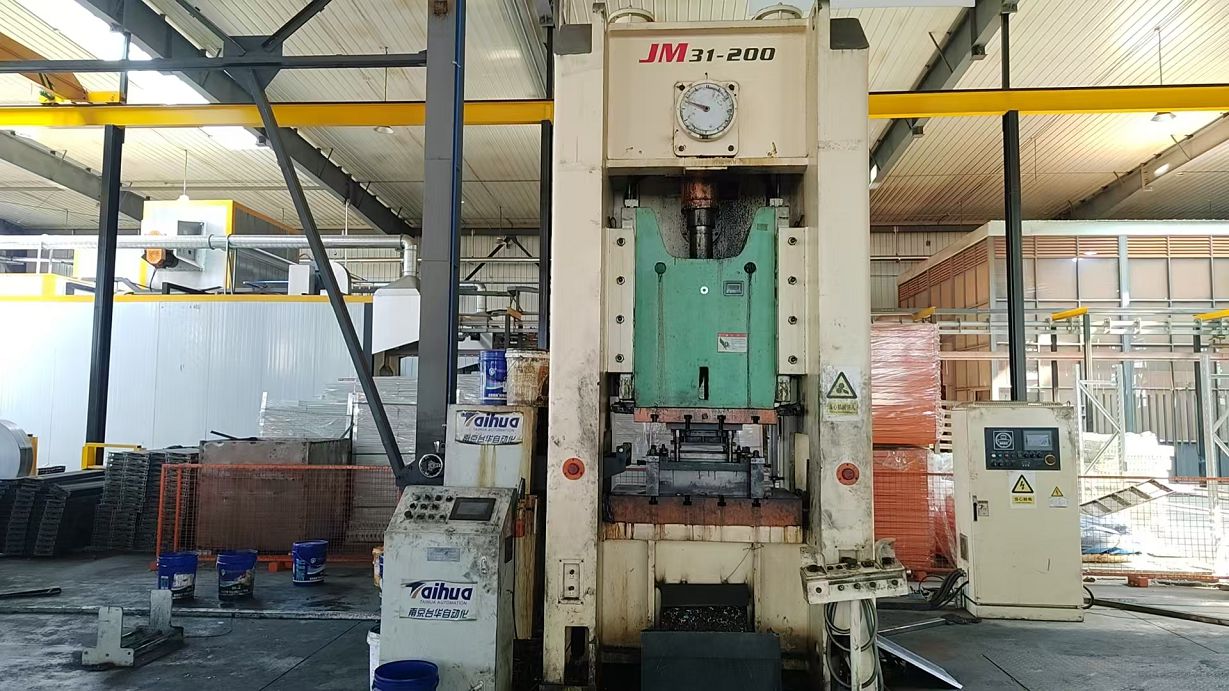
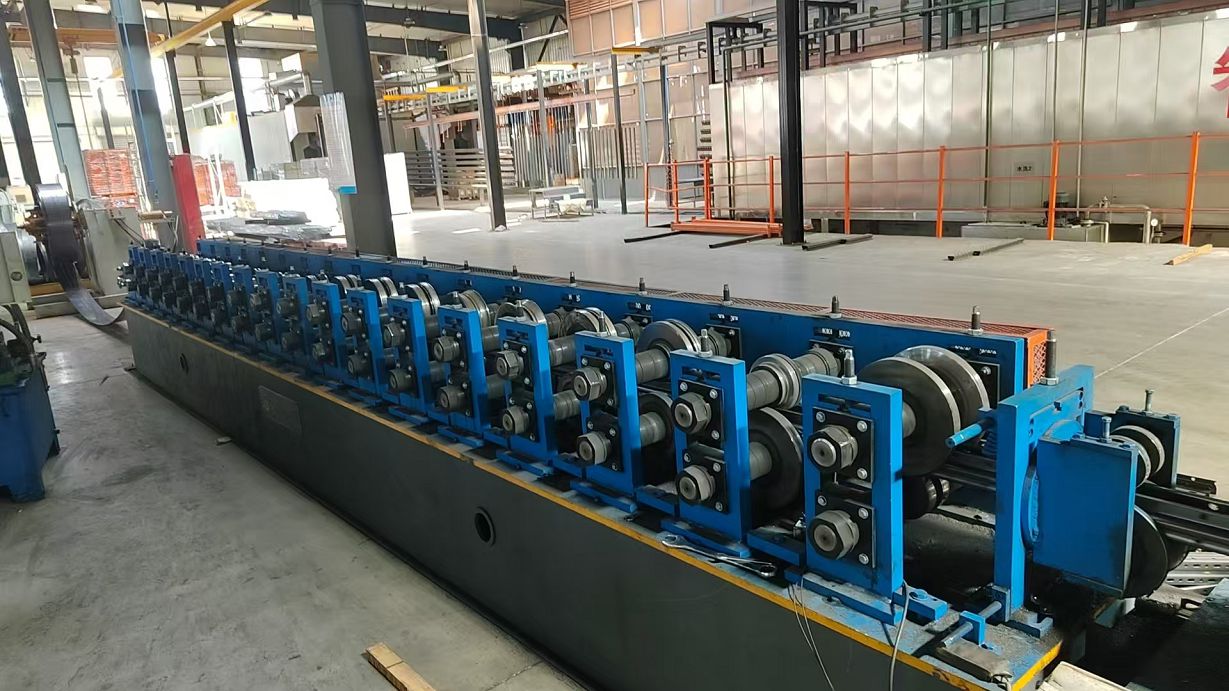
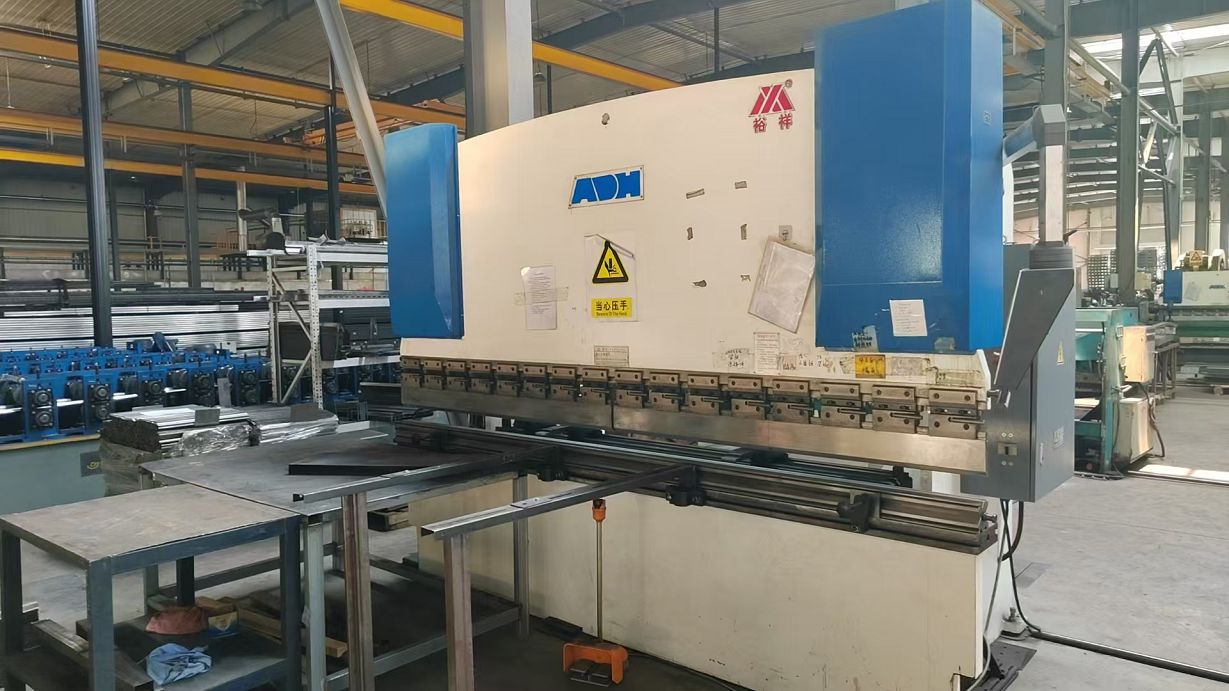
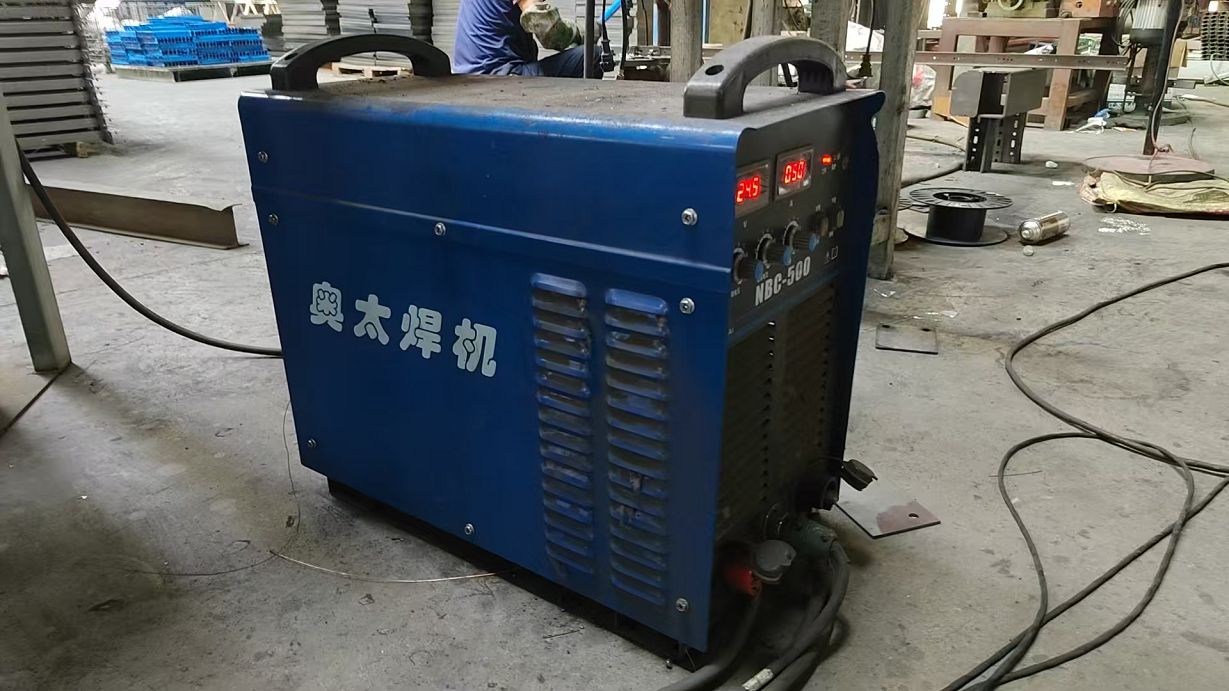
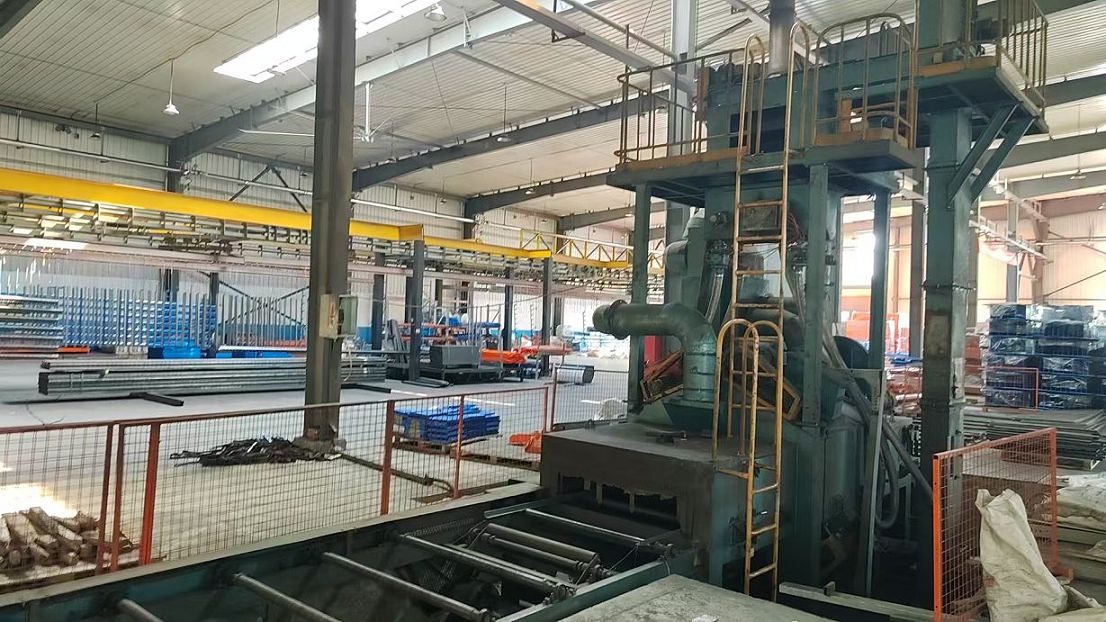
The production of industrial-grade heavy-duty racking systems relies on two foundational elements: metallurgical quality and manufacturing throughput. China's industrial racking ecosystem, particularly within manufacturing centers like Dongguan, benefits from direct integration with premium domestic steel complexes (such as Baosteel and Ansteel). This provides an uninterrupted supply of high-tensile hot-rolled and cold-rolled steel coils, specifically graded as Q235B (yield strength ≥ 235 MPa) and Q345B (yield strength ≥ 345 MPa).
By sourcing Q235B and Q345B structural steel directly, Chinese manufacturers secure mechanical properties optimized for elastic recovery, load bearing, and cold-bending performance. The proximity to raw material inputs eliminates intermediate logistic markups, which translates into lower per-ton fabrication costs. When coupled with high-frequency rolling mills, continuous punching lines, and automated robotic welding setups, the cost-per-pallet position is reduced compared to manufacturers in Western Europe or North America.
Furthermore, manufacturing clusters in Guangdong enable a dense supply chain network. Everything from specialized chemical pre-treatment solutions for powder coating lines to heavy-duty anchor bolts, safety lock pins, and protective barriers is sourced within a 50-kilometer radius. This logistical efficiency minimizes lead times and shields buyers from international supply disruptions.
To ensure global compatibility, all structural calculations and profiles conform to international engineering standards:
Standard industrial racking systems degrade rapidly in high-humidity or cold-chain environments if the steel surface pre-treatment is insufficient. Fangding resolves this through a multi-stage chemical wash consisting of pickling, phosphating, and passivation. This prepares the Q235B steel substrate for electrostatic powder coating using thermosetting epoxy-polyester powder. The coating is cured at 200°C to form a highly cross-linked polymer barrier with a dry film thickness (DFT) between 60 to 90 microns. This process delivers exceptional resistance to abrasion and impact, while preventing sub-film corrosion.
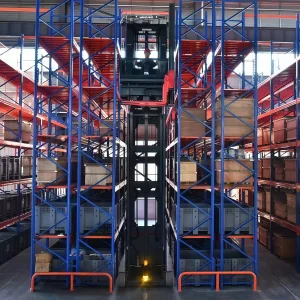
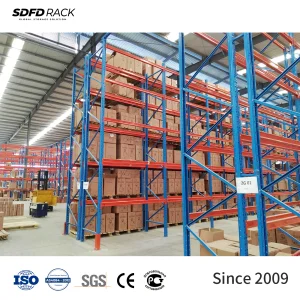
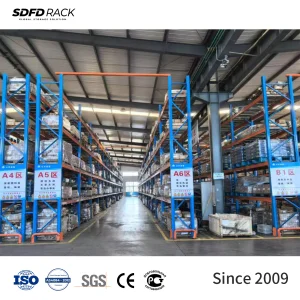
Very Narrow Aisle (VNA) systems utilize space by shrinking forklift corridors down to 1.5–1.8 meters. By elevating racking heights up to 15 meters, VNA configurations increase storage capacity by up to 50% compared to standard selective pallet setups, making them ideal for high-cost land environments.
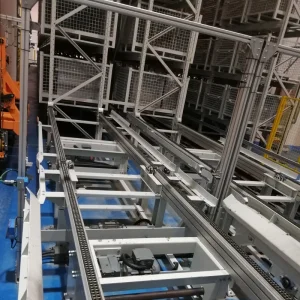
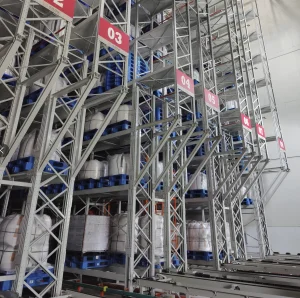
Modern distribution centers combine heavy-duty rack frameworks with Automated Storage and Retrieval Systems (AS/RS). These systems utilize stacker cranes and vertical shuttles to automate material handling, reducing picking errors and optimizing operational cycle speeds.
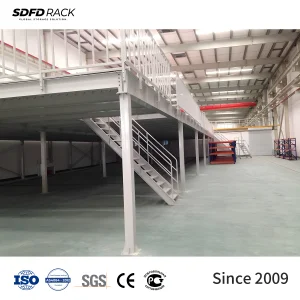
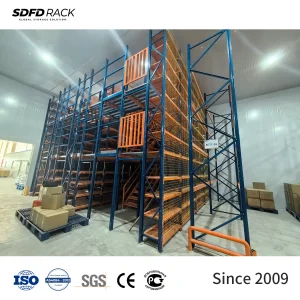
By using rack-supported mezzanines, facilities can double or triple their usable floor space without structural modifications. Combining heavy-duty shelf support with steel gratings, these configurations are highly effective for e-commerce sorting hubs and industrial parts distribution.
Racking installations located in seismically active zones require structural calculations to prevent collapse during seismic events. Our engineering team utilizes Finite Element Analysis (FEA) software to simulate earth movement stress on upright frames, beam connections, and anchor plates.
By designing customized upright profiles with specialized teardrop patterns and incorporating heavy-duty baseplates, seismic energy is distributed throughout the structure. This safeguards inventory and maintains compliance with building codes in regions such as the American west coast, Southeast Asian islands, and the Mediterranean.
Cold room storage (down to -30°C) presents challenges for steel, as low temperatures can cause metal embrittlement and coating failure. We resolve this by using low-temperature grade steel alloys combined with customized powder coatings that remain flexible in sub-zero conditions.
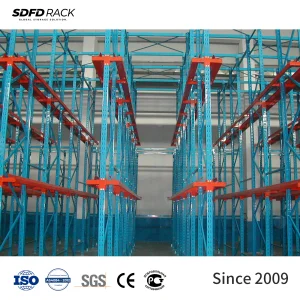
Furthermore, our selective pallet and drive-in configurations are optimized to allow airflow between pallets. This reduces refrigeration energy demands while preventing moisture and ice accumulation on structural components.
In chemical processing plants, warehouse storage systems must resist corrosives while supporting heavy loads (frequently exceeding 2,500 kg per level). Our VNA pallet racking and teardrop selective designs feature high chemical resistance coatings and integrated spill containment options, satisfying environmental safety standards.
High-speed picking operations require dynamic space management. Heavy-duty carton flow and rack-supported mezzanine systems allow operators to separate inventory intake from picking corridors, increasing throughput and minimizing retrieval times.
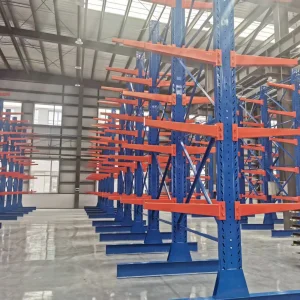
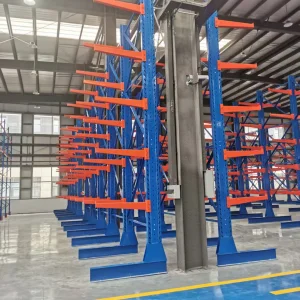
Storing lumber, steel tubes, sheets, and machinery parts requires open shelving structures. Galvanized steel cantilever racking offers unilateral loading capability, eliminating vertical column obstructions and facilitating loading via side-loader forklifts or overhead cranes.
Purchasing industrial racking internationally requires careful coordination of shipping, compliance, and installation parameters. Key factors include:
We primarily use high-strength carbon steel grades Q235B and Q345B. For load calculations, our R&D engineers perform Finite Element Analysis (FEA) alongside physical load testing. The allowable load is calculated based on European FEM 10.2.02 and US RMI guidelines, incorporating a safety factor of 1.5 to 1.8.
Beam deflection is designed to not exceed 1/200th of the clear span length (L/200), ensuring the structure remains within safe elastic limits under maximum load.
Electrostatic powder coating (DFT 60-90μm) provides a durable finish suitable for standard, dry climate warehouses, retail displays, and mild storage conditions. It is cost-efficient and available in various colors for safety coding.
Hot-dip galvanizing (complying with ISO 1461) involves dipping the fabricated steel components into molten zinc, forming a protective zinc-iron alloy barrier. This option is recommended for outdoor storage, highly humid areas, chemical storage, or cold room facilities, as it prevents rust even if the surface is scratched by forklifts.
Quality verification is handled by our 42-inspector quality control division. The process includes:
To design a custom racking layout, we require:
Yes, our automated punching machinery is calibrated to produce American standard teardrop connection configurations, allowing our frames and beams to integrate with existing US installations. For European markets, we offer standard box and step beams compatible with standard Euro-pallets (1200mm x 800mm) and UK-pallets (1200mm x 1000mm).
 Fangding Rack