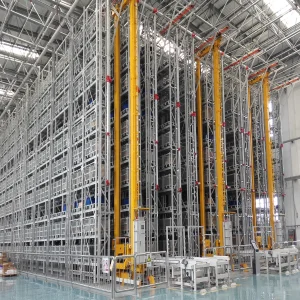
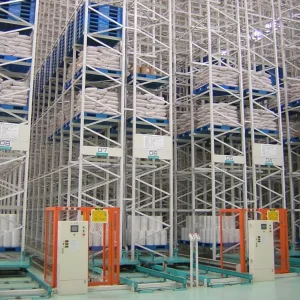
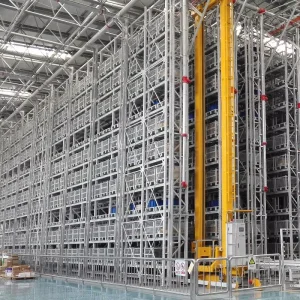
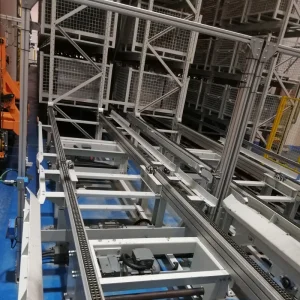
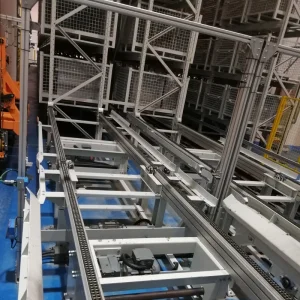
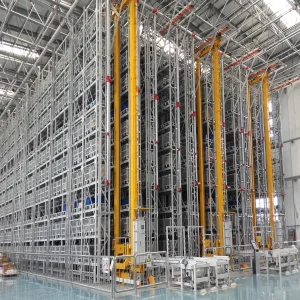
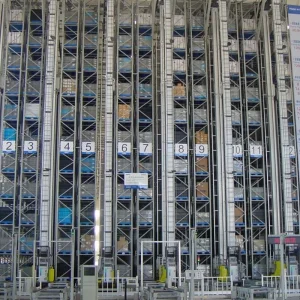
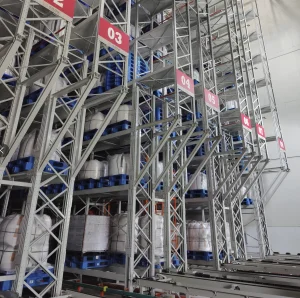
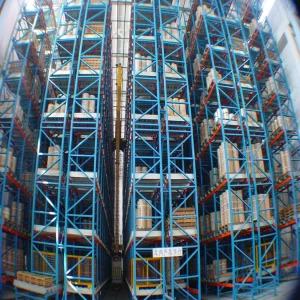
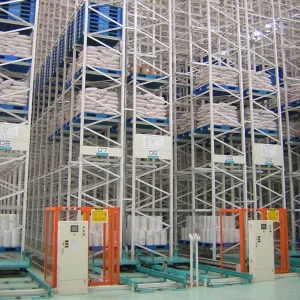
Engineered for compliance with NF EN 15512 and FEM standard racking criteria, supporting heavy automation integration.
The Île-de-France region, encompassing Paris and its surrounding departments, represents one of Europe's most vital, dynamic, and land-constrained logistics corridors. Driven by the explosive growth of e-commerce, fresh food logistics at the Marché d'Intérêt National de Rungis, and high-tech automotive components hubs, industrial space in Paris has reached a record premium. Standard warehousing layouts are no longer economically viable in key hubs like Marne-la-Vallée, Roissy CDG, and Gennevilliers.
To maximize Return on Land Investment (ROLI), global companies operating in France are pivoting from traditional selective racking systems toward Automated Storage and Retrieval Systems (ASRS). ASRS engineering is not merely about stacking steel racks high; it is about absolute mathematical precision. Racking structures must act as the rigid, micro-tolerant skeleton for high-speed stacker cranes, shuttle platforms, and AMR (Autonomous Mobile Robot) fleets. Under European safety standards, including EN 15635 (Steel static storage systems – Application and maintenance of storage equipment) and EN 15512 (Structural design requirements), engineering tolerances must remain within sub-millimeter scales under dynamic loading.
Unlike standard static racks, an ASRS structural rack framework bears not only the static dead weight of pallets but also the dynamic forces (acceleration, deceleration, deceleration impact, and sway) exerted by cranes and robotic shuttles. When integrating automated systems in the Paris metropolitan basin, several variables must be integrated into the preliminary engineering design phase:
Combining cost-effective manufacturing, highly automated production lines, and raw material sourcing advantages to deliver unmatched quality to Paris and beyond.
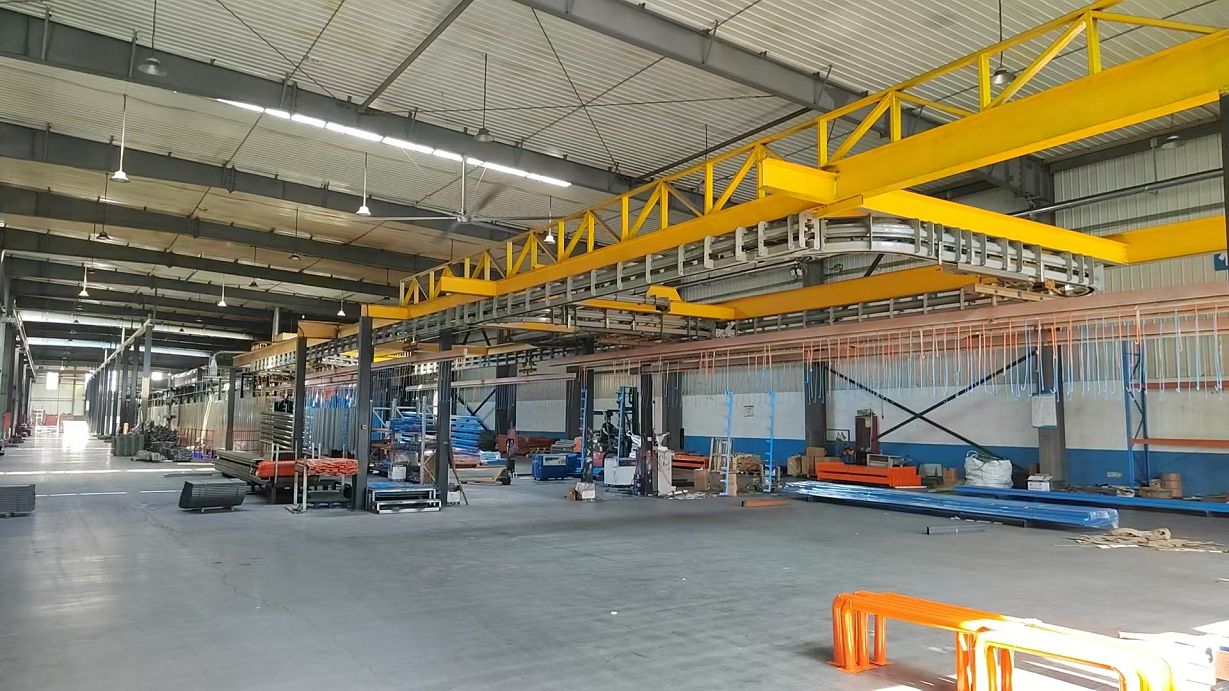
As a leading Chinese designer and manufacturer, Dongguan Fangding Warehousing Equipment Manufacturing Co., Ltd. excels in bridge-building between high-capacity, low-overhead Chinese manufacturing and the strict regulatory frameworks of European operations. Established in 2016 with a state-of-the-art 18,600㎡ manufacturing facility, we have optimized our supply chain to support the demands of high-load industrial operations.
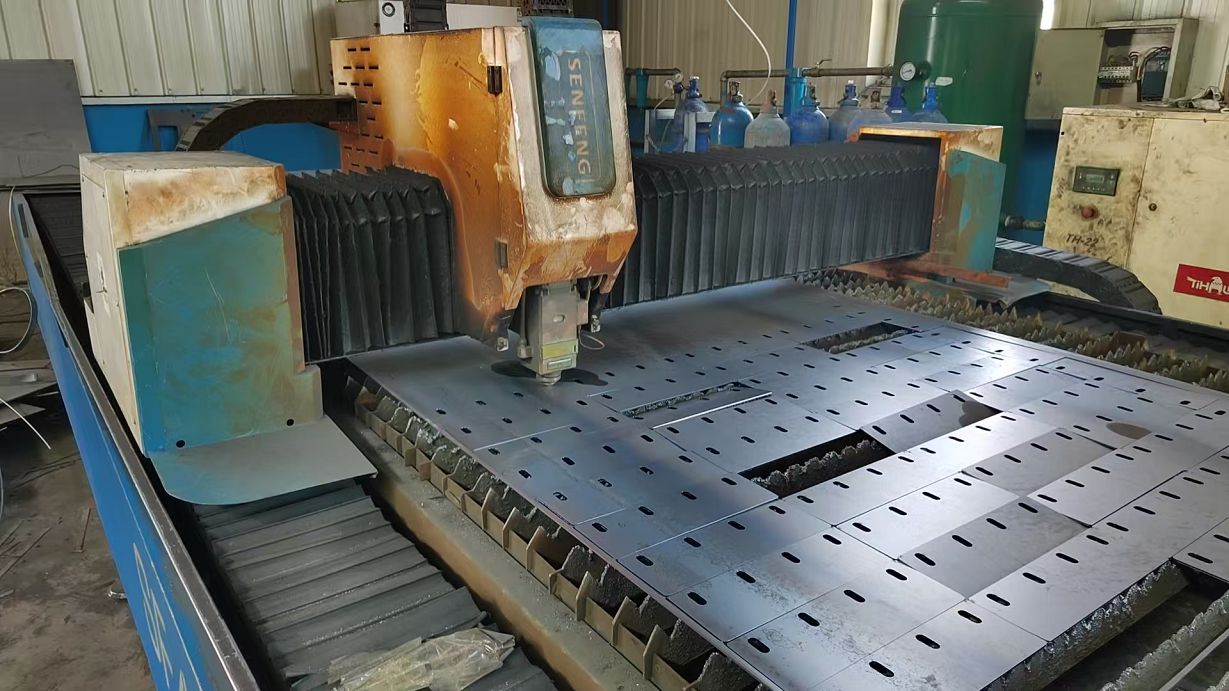
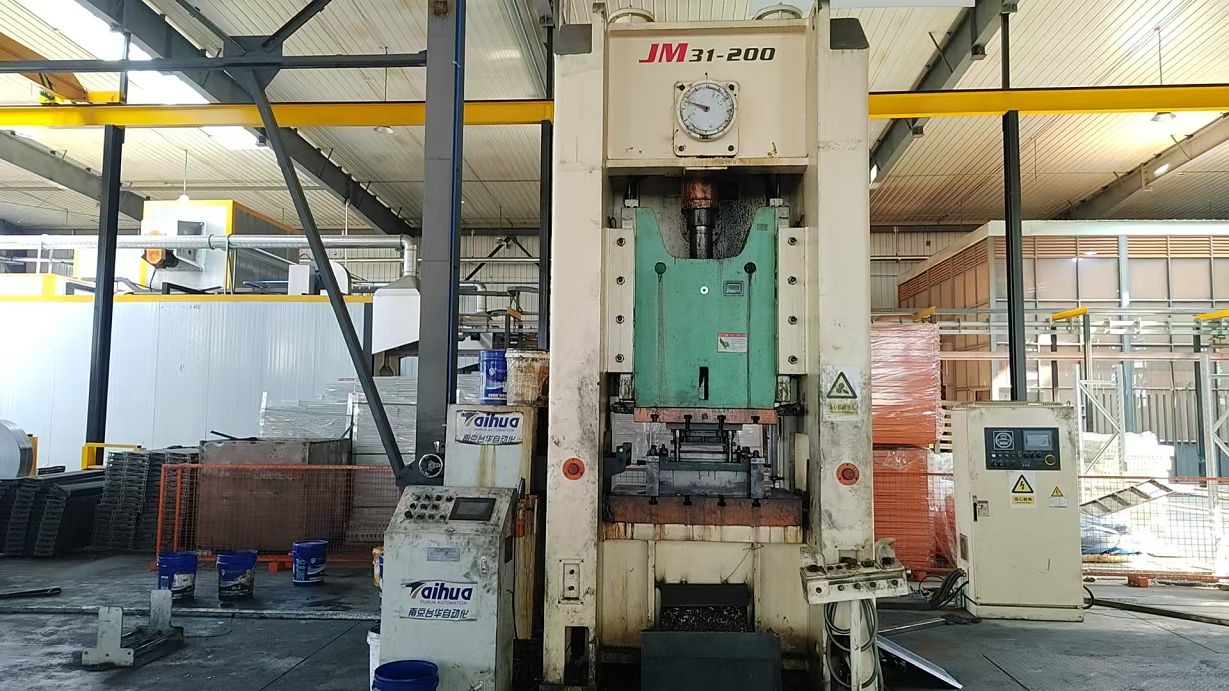
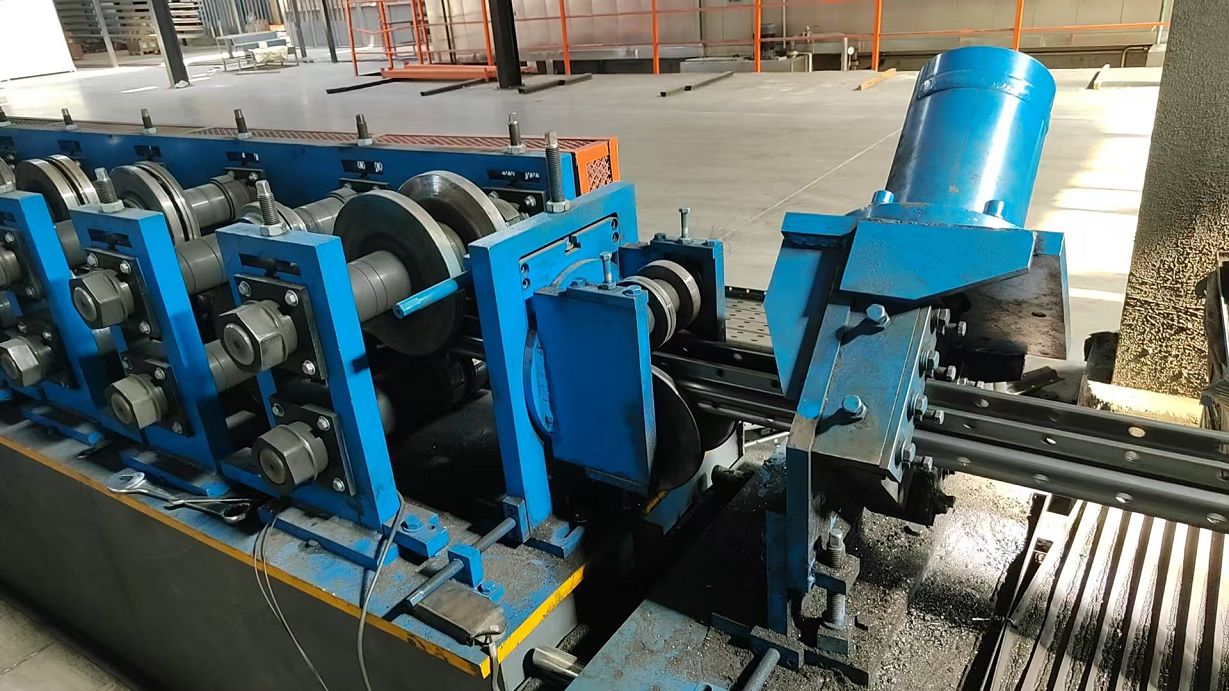
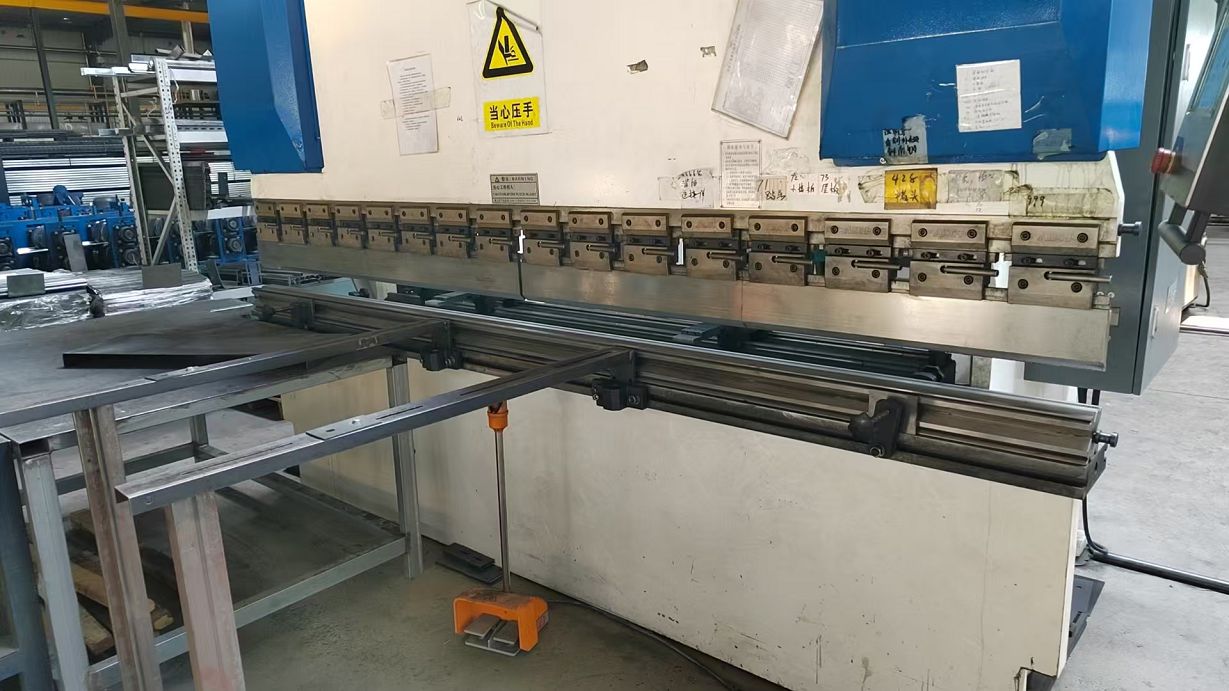
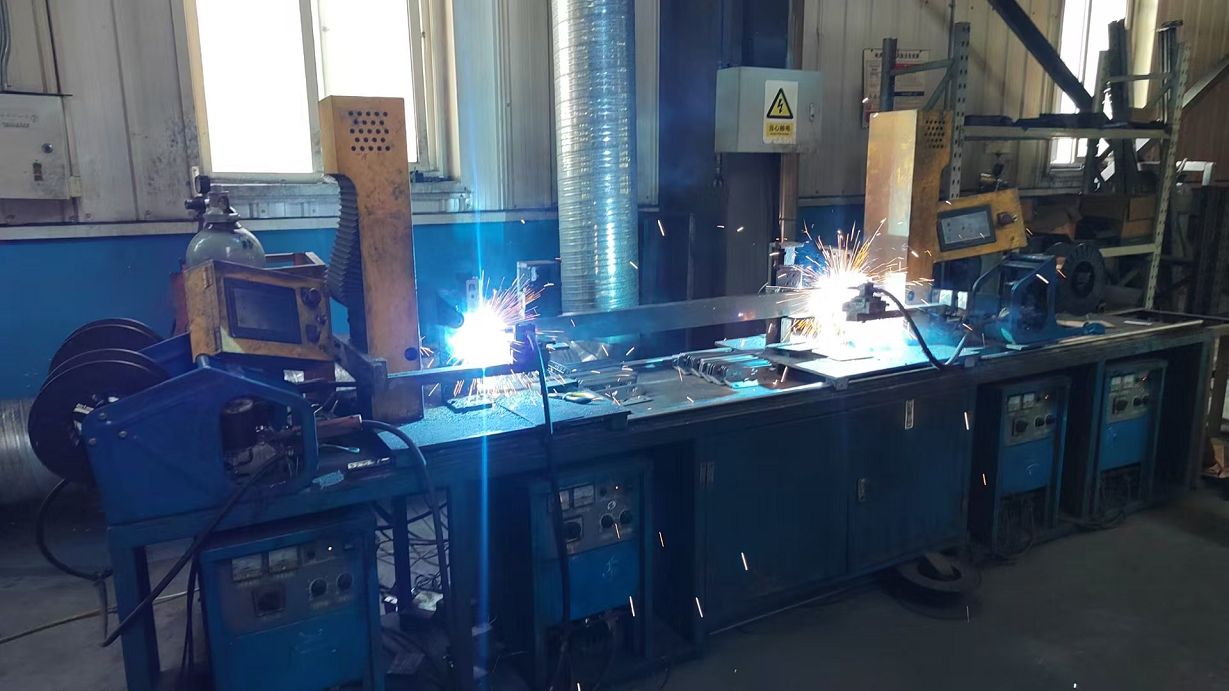
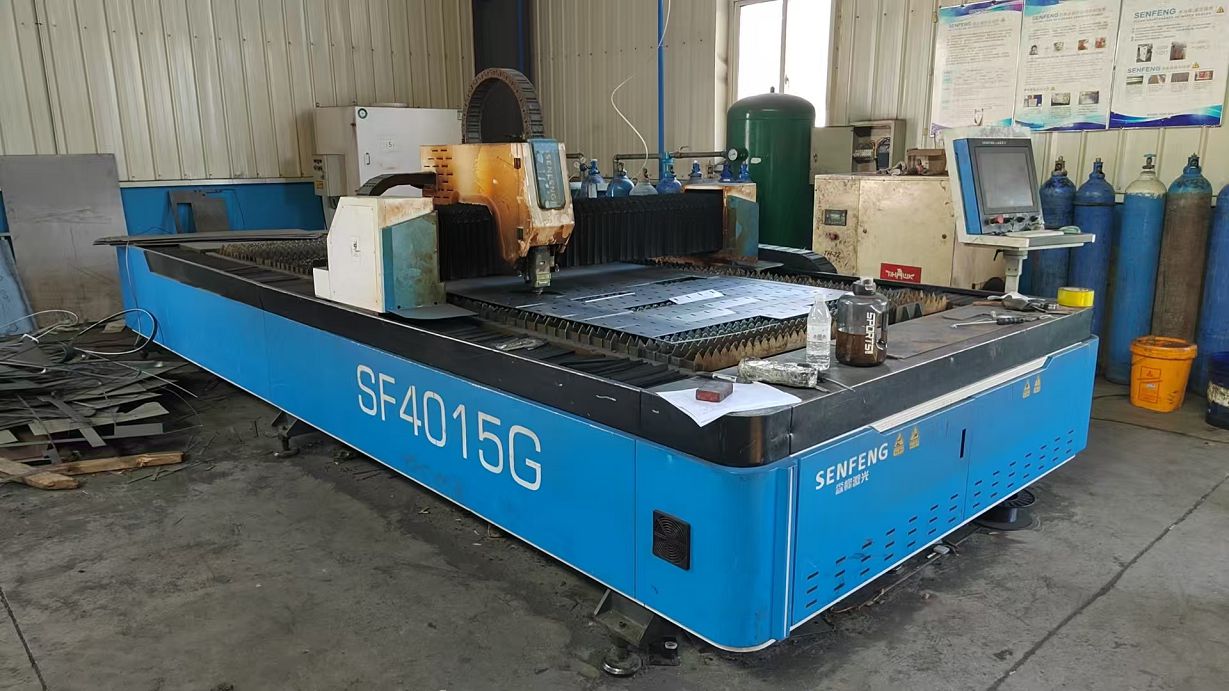
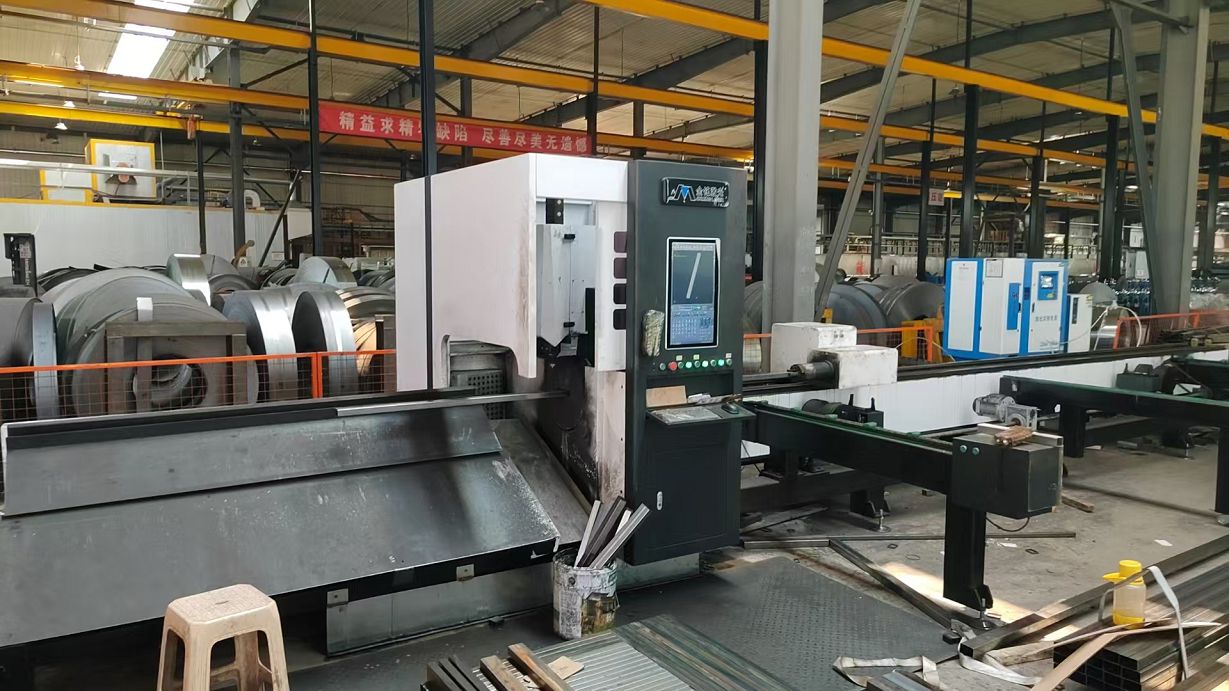
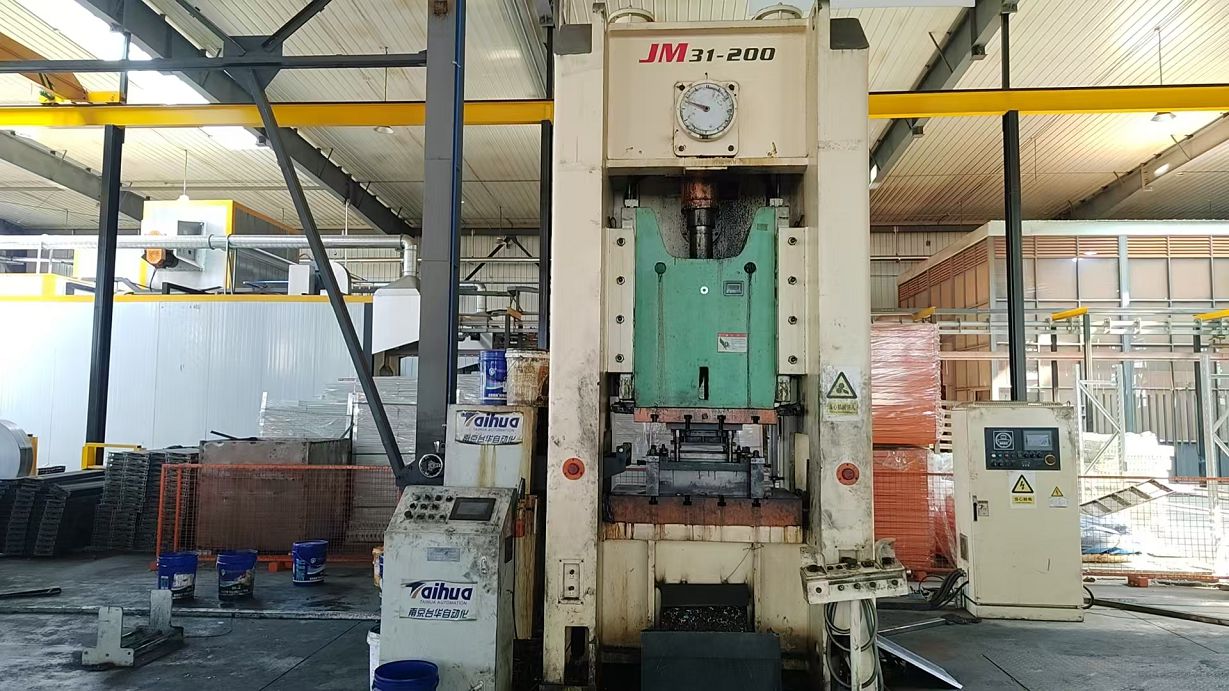
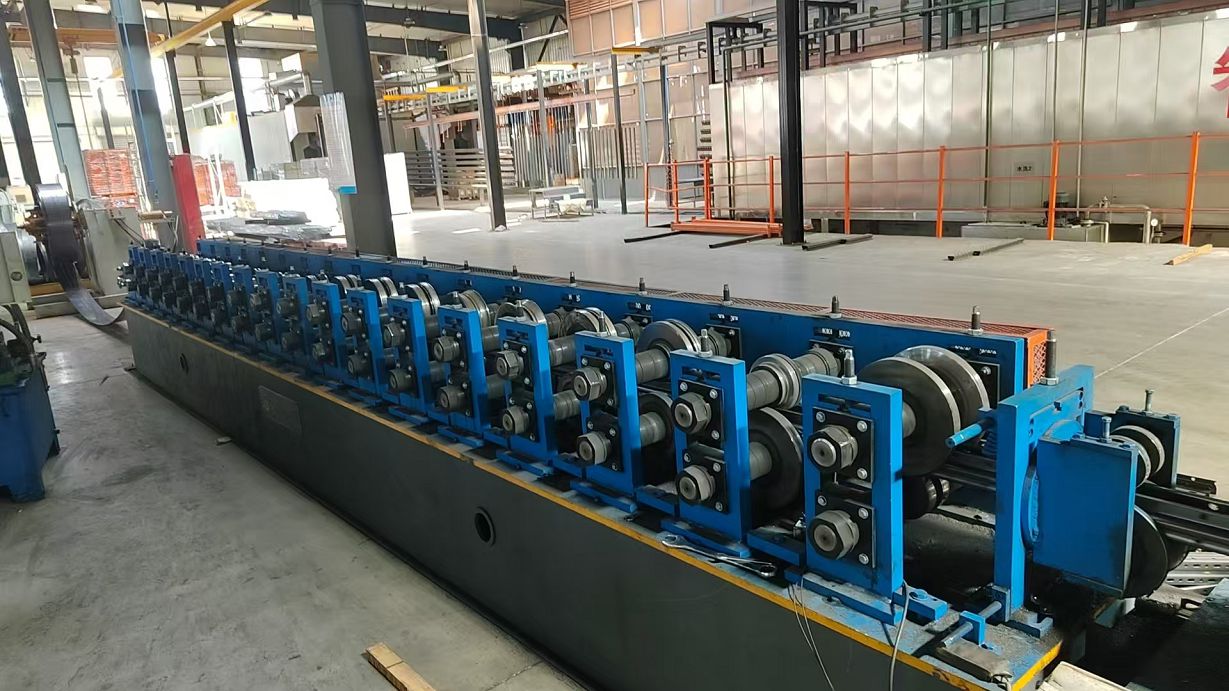
Our raw material sourcing utilizes premium Q235B and Q345B grade high-strength steel, certified by structural test authorities. Automated CNC roll-forming lines stamp, shape, and punch structural profiles in one single, continuous process to ensure spacing tolerances are kept uniform down to 0.5mm. This extreme precision ensures that when stacker cranes traverse our racking columns at speeds of up to 240m/min, there are no structural bottlenecks or alignment anomalies.
Procuring from Fangding enables European integrators to optimize capital expenditure:
| Specification / Metric | Fangding Standards |
|---|---|
| Manufacturing Space | 18,600 m² modern facility |
| R&D Engineers | 58 structural & automation specialists |
| Quality Inspectors | 42 QA / QC inspectors |
| Materials Used | Q235B, Q345B High-Grade Steel |
| Certifications | CE, ISO9001, FEM compliant |
| Annual Export Value | > USD $18 Million |
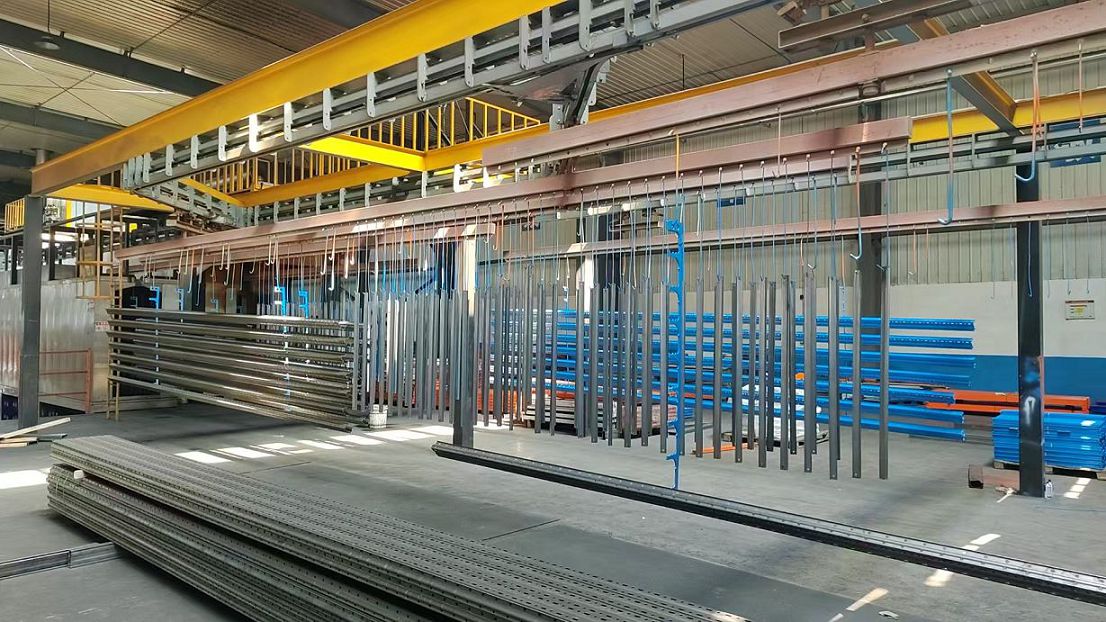
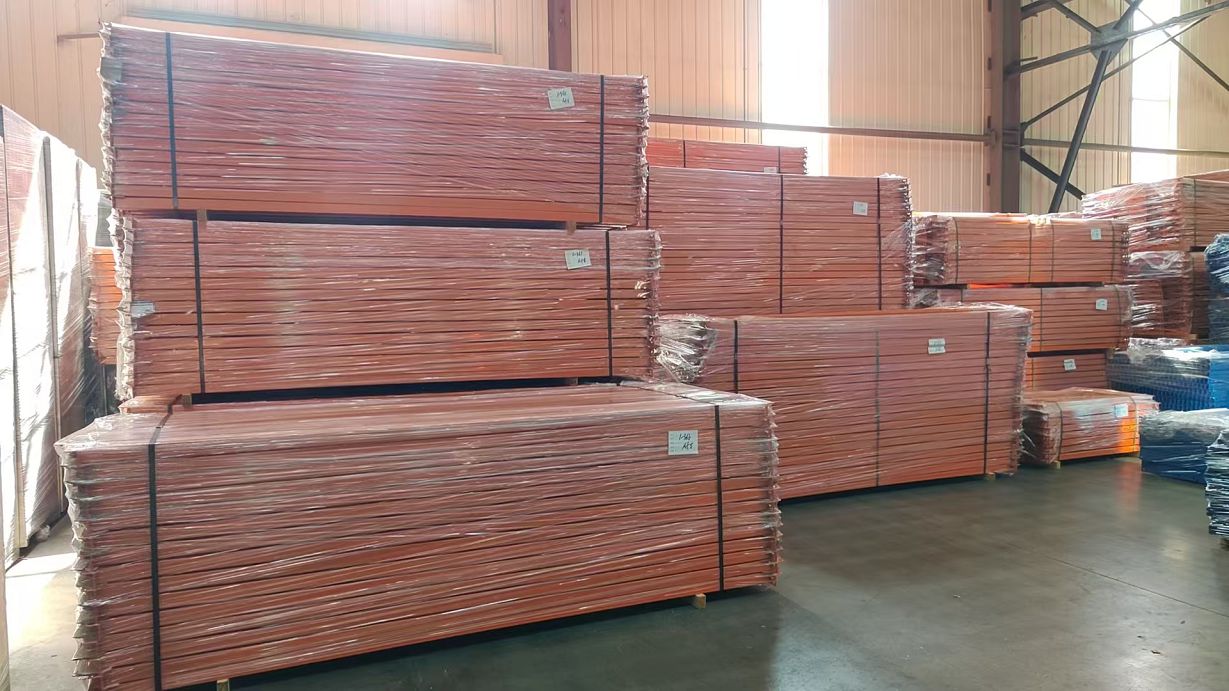
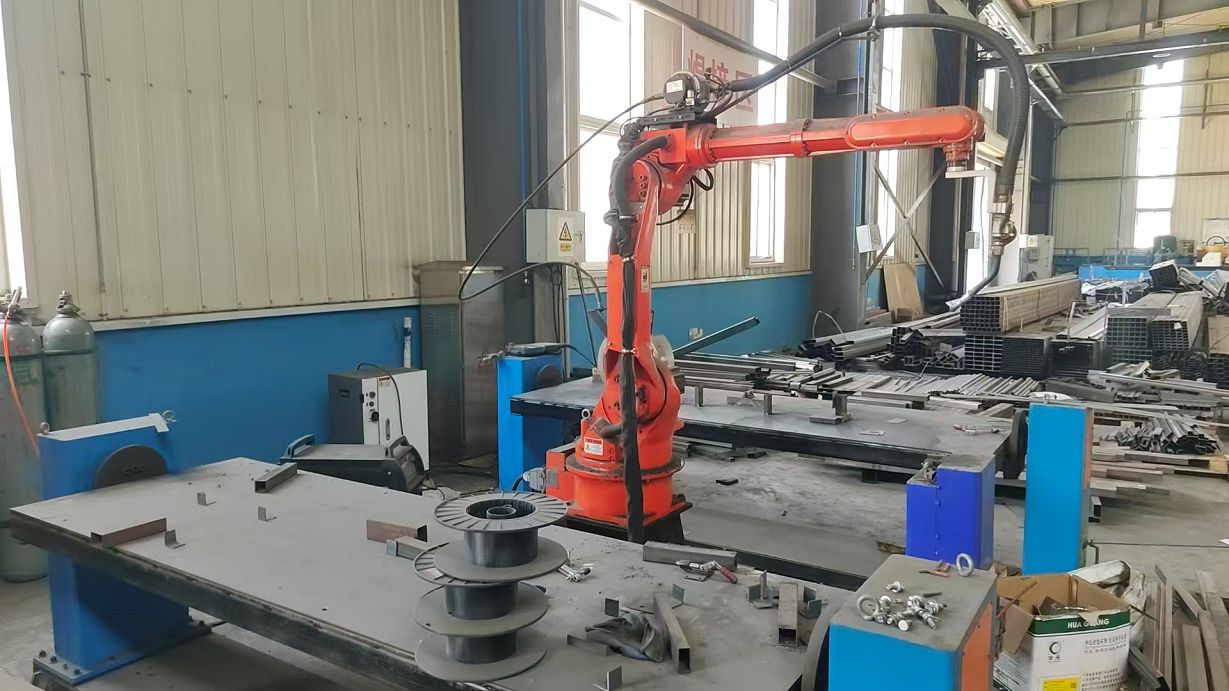
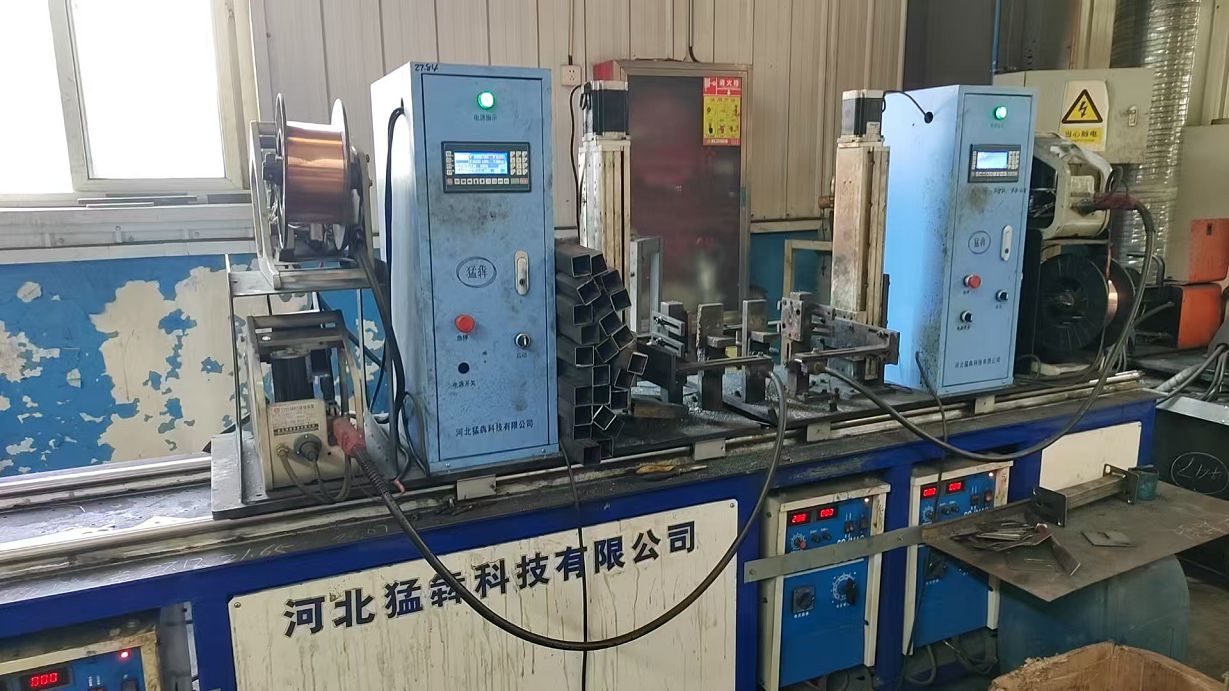
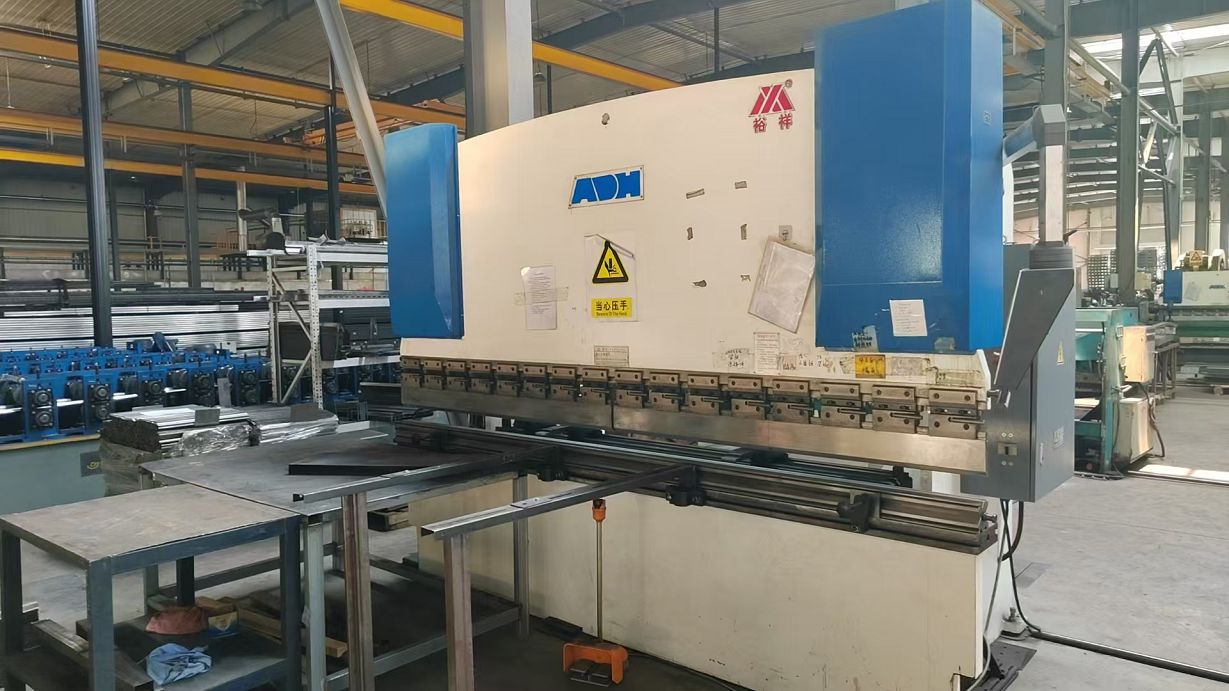
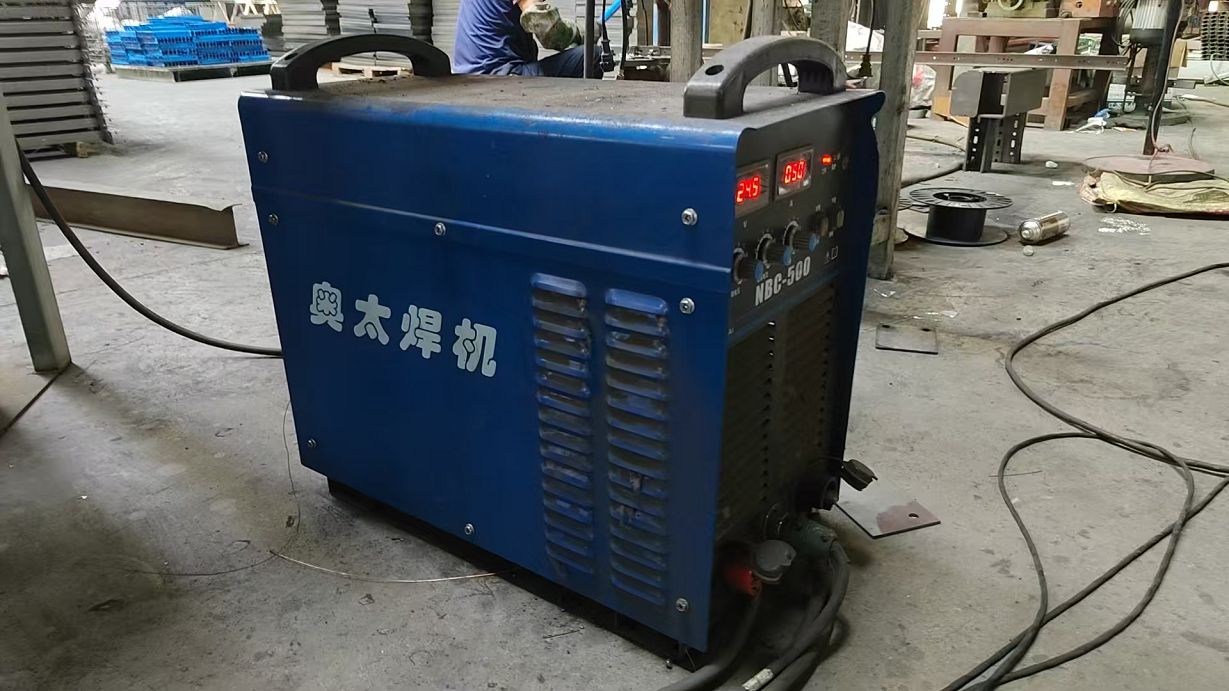
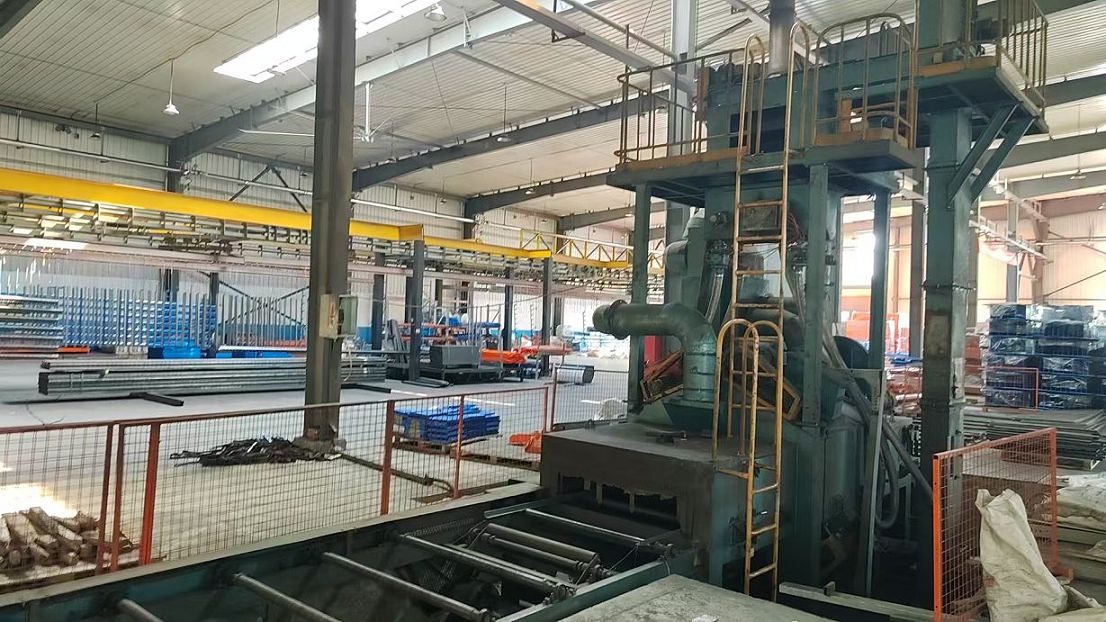
Every step of our process—from raw steel processing to automated robotic welding and finishing—is monitored for uncompromising consistency.
How automation architectures adapt to structural and physical demands of key French supply chains.
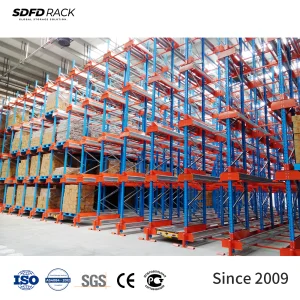
Operational zones working below zero (-25°C to -30°C) demand specialized material formulations. Standard structural steel undergoes brittle transition at sub-zero temperatures. We design systems utilizing low-temperature carbon steel options combined with dynamic structural components that handle temperature transitions without fracturing. Minimizing heat footprint requires high-density storage, making double-deep shuttle racking solutions ideal.
Parisian pharmaceutical hubs near the outer ring road require strict batch separation and high-velocity throughput. ASRS structures built by Fangding offer modular designs allowing separation of quarantine blocks, controlled substances, and temperature-sensitive vials, all tracked via integrated robotic operations.
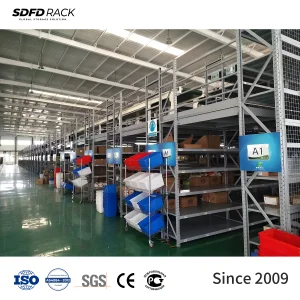
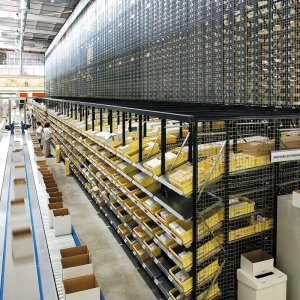
Last-mile distribution relies on complex, micro-load mini-load ASRS. These systems hold thousands of small plastic bins accessed by fast-moving shuttles. High-precision tolerances prevent pickers from jamming, reducing downtime to near-zero.
Before deployment in France, our engineering team maps structures against the following validation matrices:
Retaining original product codes and integration architectures for high-capacity warehouse builds.
Keep your warehouse architecture ready for the next wave of automation systems.
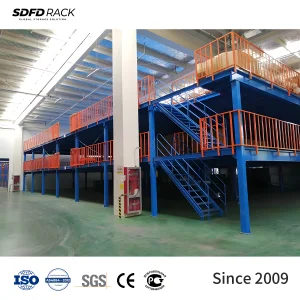
Urban real estate limitations are pushing retrieval zones closer to metropolitan centers. In Paris, this translates into converting basement levels, historic post offices, or multi-story structures into mini automation centers. Racking configurations must balance custom height modifications and modular, screw-less structural panels to allow swift layout changes.
Environmental policies in the EU demand reduction of volatile organic compound (VOC) emissions during production. Dongguan Fangding utilizes electrostatic powder spray coating systems that produce clean, toxic-free epoxy finishes. These high-density finishes resist mechanical wear and humidity issues common in chilled storage facilities.
Modern WMS systems use real-time weight and load indicators embedded in the racking structures. Smart connected structural racking allows sensors to monitor structural load distribution, warning warehouse managers of overload trends before fatigue failure occurs.
Clear, direct technical advice regarding custom engineering, structural safety norms, and manufacturing procurement.
Discuss your material handling challenges with our structural engineering team. Get a preliminary design and budgetary estimate within 48 hours.
Send Inquiry Now Fangding Rack