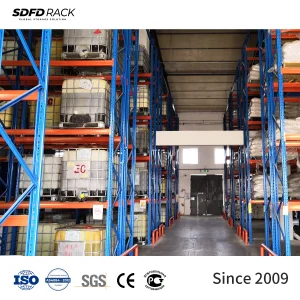
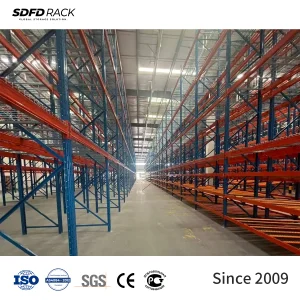
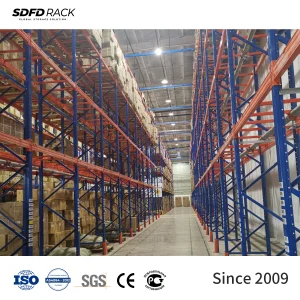
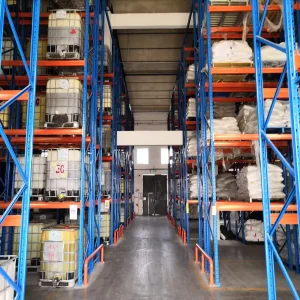
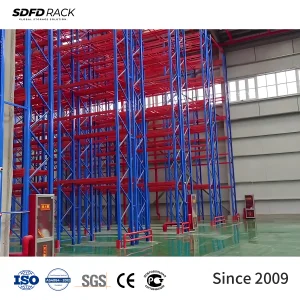
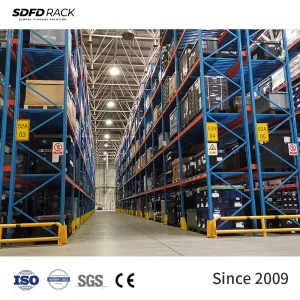
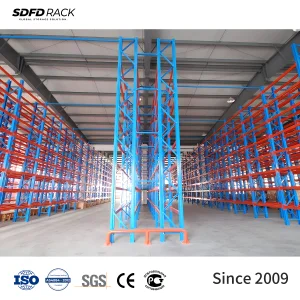
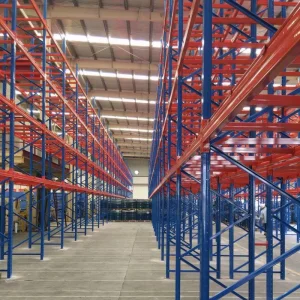
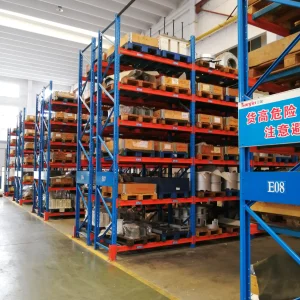
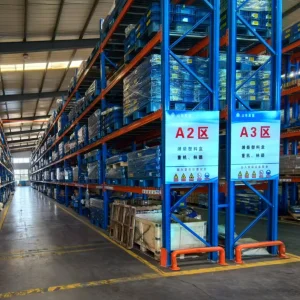
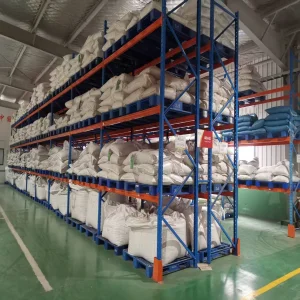
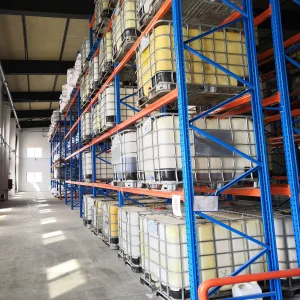
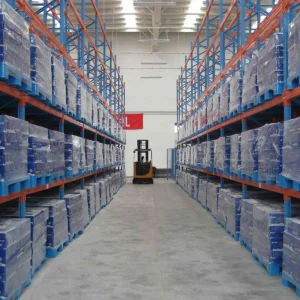
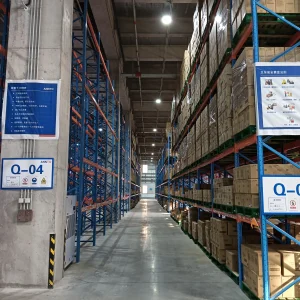
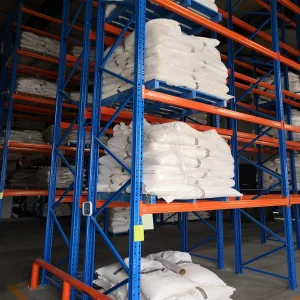
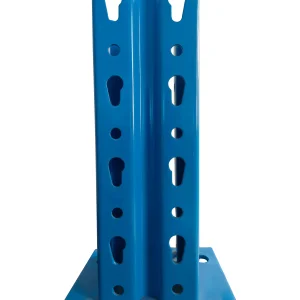
Engineered to comply with local seismic standards and designed for immediate integration in distribution hubs throughout the Pacific Northwest.
The Seattle industrial market—stretching from the Port of Seattle and the Kent Valley down to Tacoma—represents one of the most critical logistical corridors in North America. However, designing storage systems for the Pacific Northwest requires rigorous attention to structural integrity due to the region's placement in active seismic zones (specifically Seismic Design Categories D through F).
Under the International Building Code (IBC) and Rack Manufacturers Institute (RMI) specifications, teardrop pallet racking systems installed in Washington State must withstand dynamic seismic forces. This requires heavy-duty upright frames, specialized structural baseplates, and advanced anchoring mechanisms to minimize risk during seismic events.
Seattle's industrial sectors have specialized requirements. Cold-storage systems must withstand humid, sub-zero conditions for seafood exports without losing structural rigidity. Meanwhile, e-commerce distribution centers require dynamic multi-tier racking to maximize floor area ratios in land-restricted urban districts.
Designed for high capacity-per-shelf layouts to hold heavy components, jigs, and raw tooling materials in proximity to Boeing assembly sites.
Galvanized steel components and powder-coated finishes suited for corrosion prevention in high-humidity coastal settings.
How Dongguan Fangding Warehousing Equipment Manufacturing Co., Ltd. delivers direct OEM/ODM efficiency and rigorous compliance tests to the Seattle market.
Operating since 2016 out of our modern 18,600㎡ facility, Dongguan Fangding fuses high-speed automation with strict quality controls. Our annual export revenue exceeds US$18 million, backed by a comprehensive QA team consisting of 42 experienced inspectors. From automated laser cutting to robotic structural welding, each step guarantees compliance with international safety guidelines. Every batch of steel profiles undergoes 100% quality inspection including load capacity checks, powder-coating adhesion, and ultrasonic weld assessments.
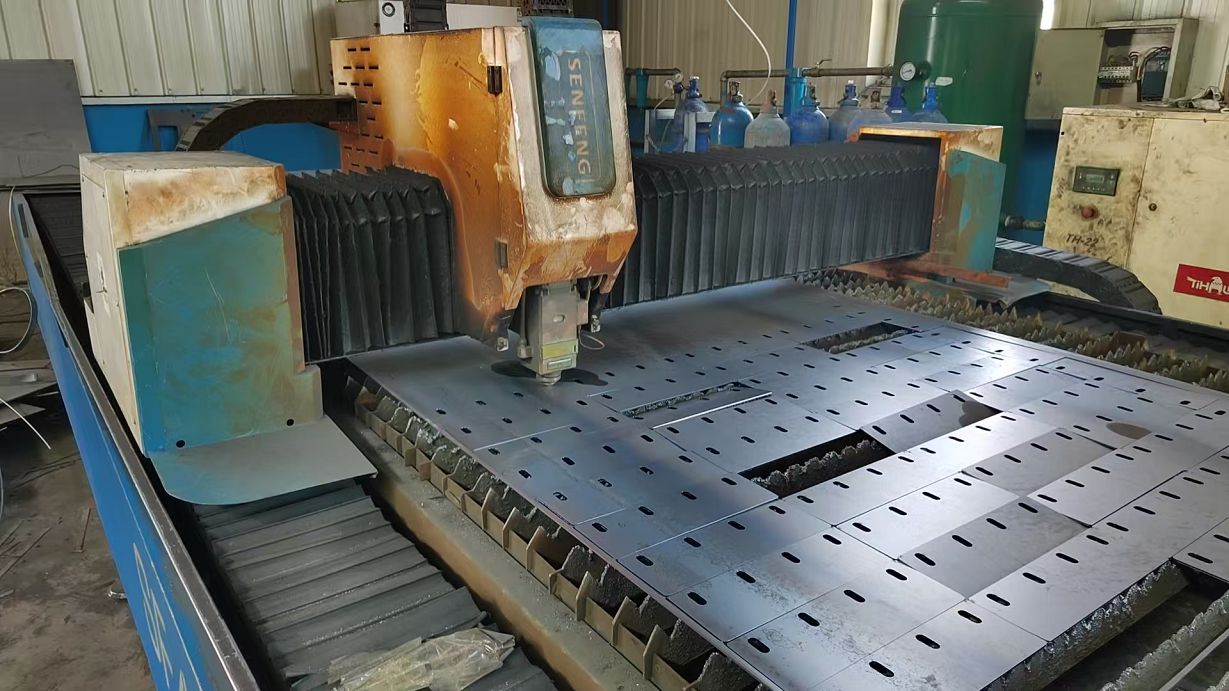 Cutting materials process
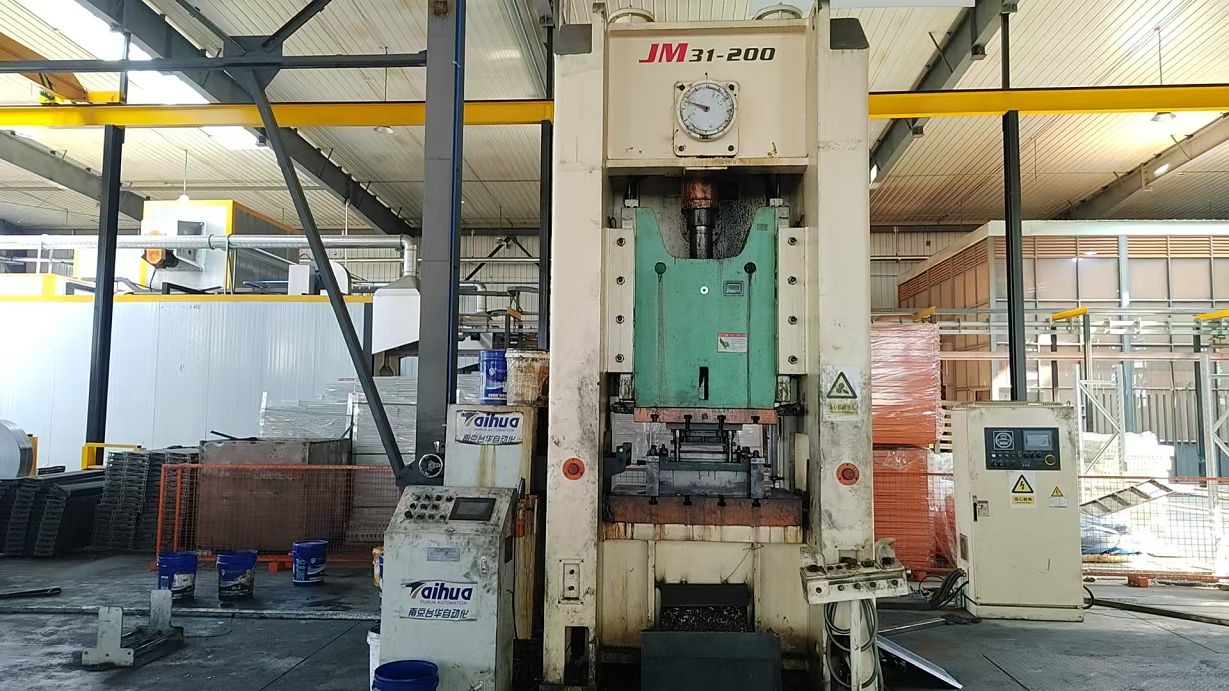 Punching process
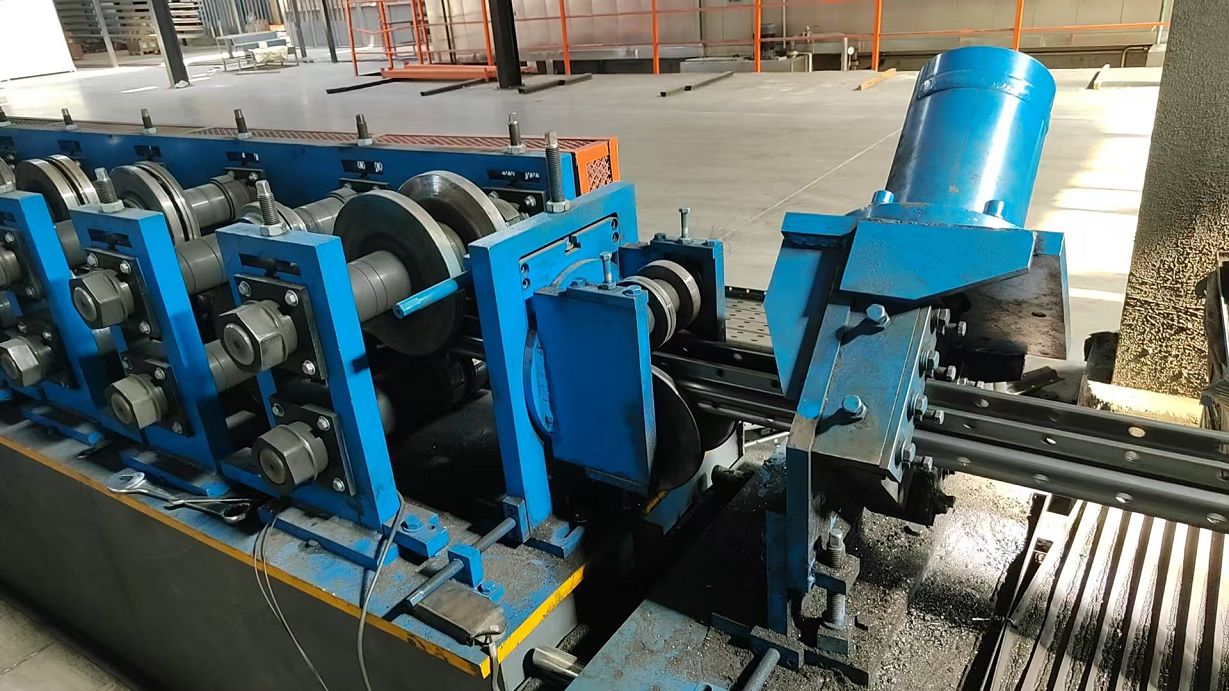 Stamping process
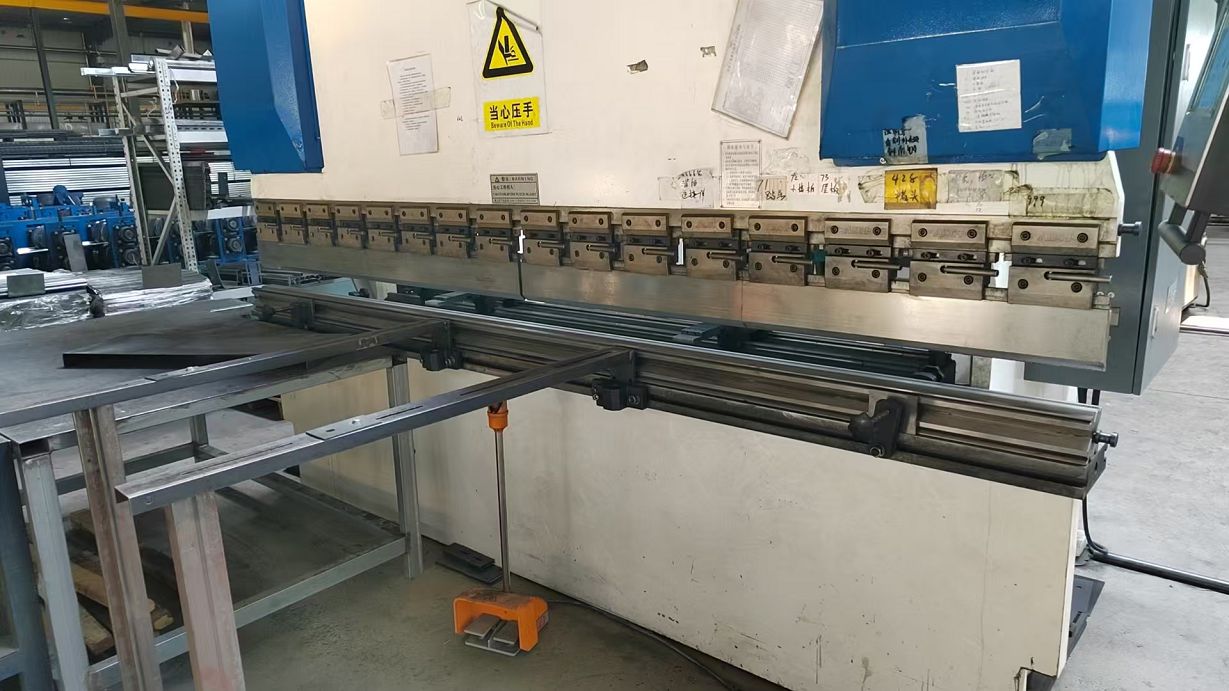 Bending process
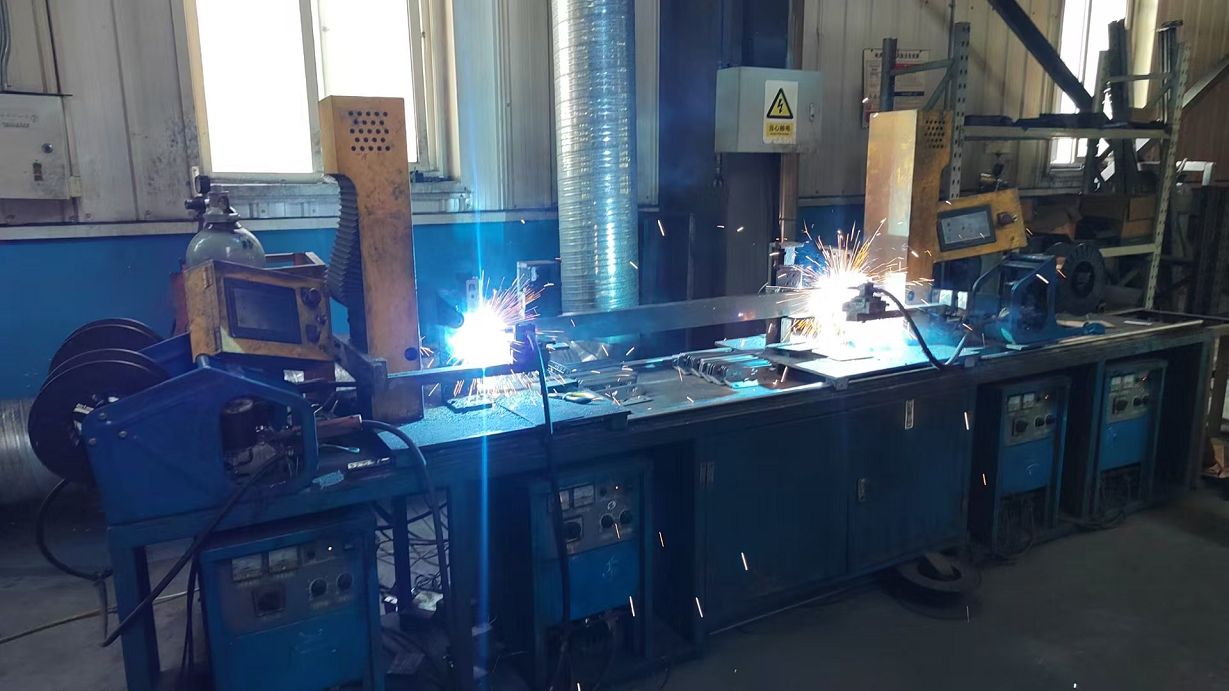 Welding process
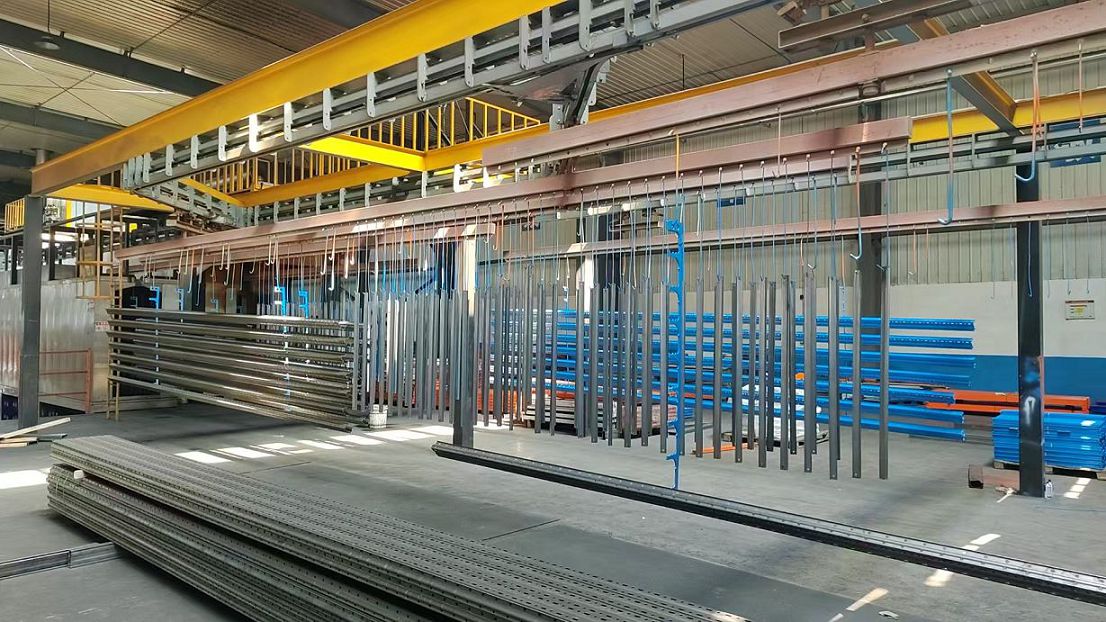 Spraying process
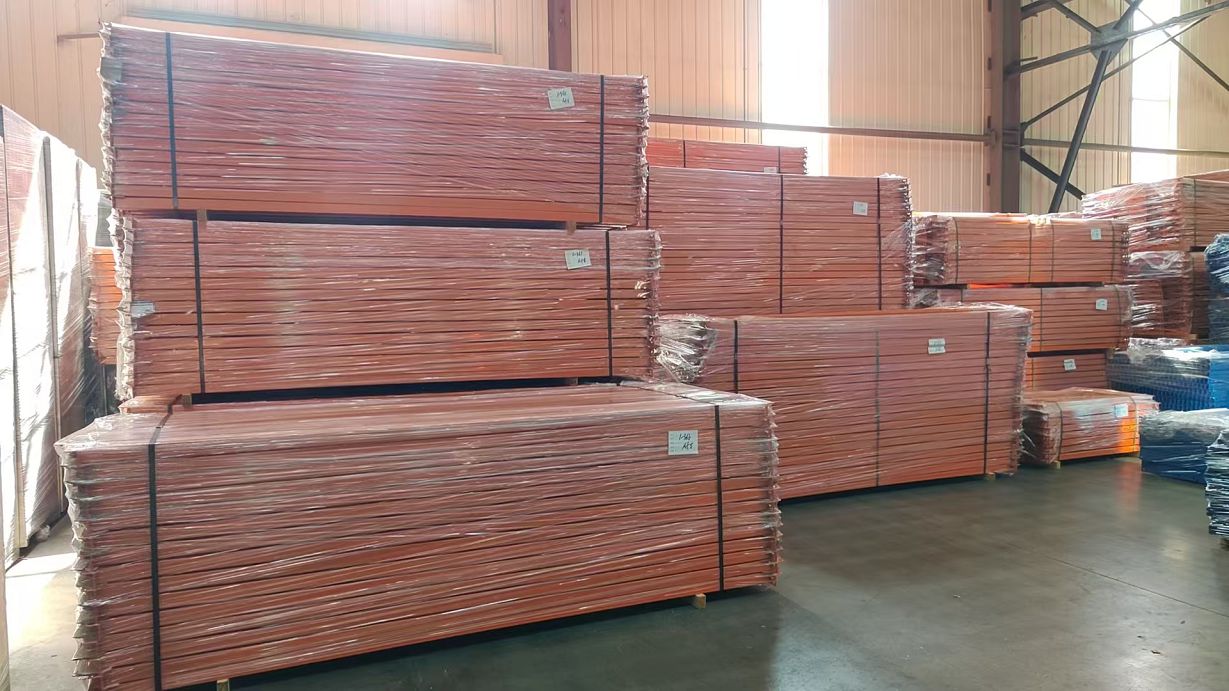 Packaging process
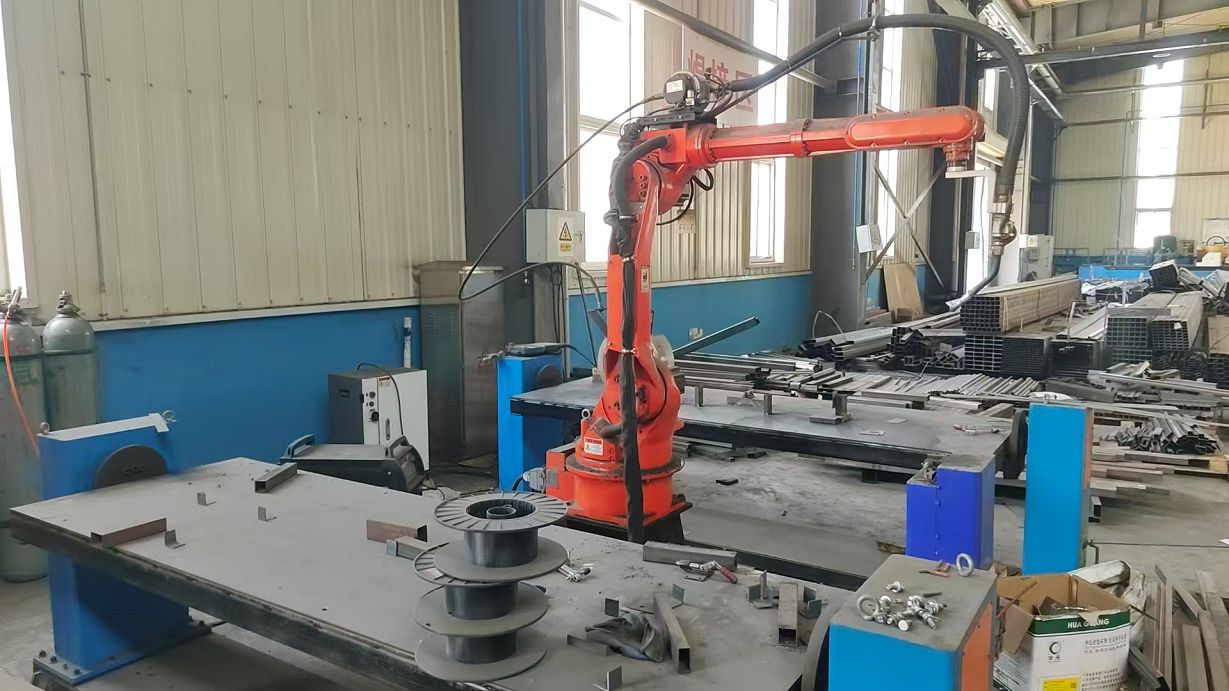 Robot welding machine
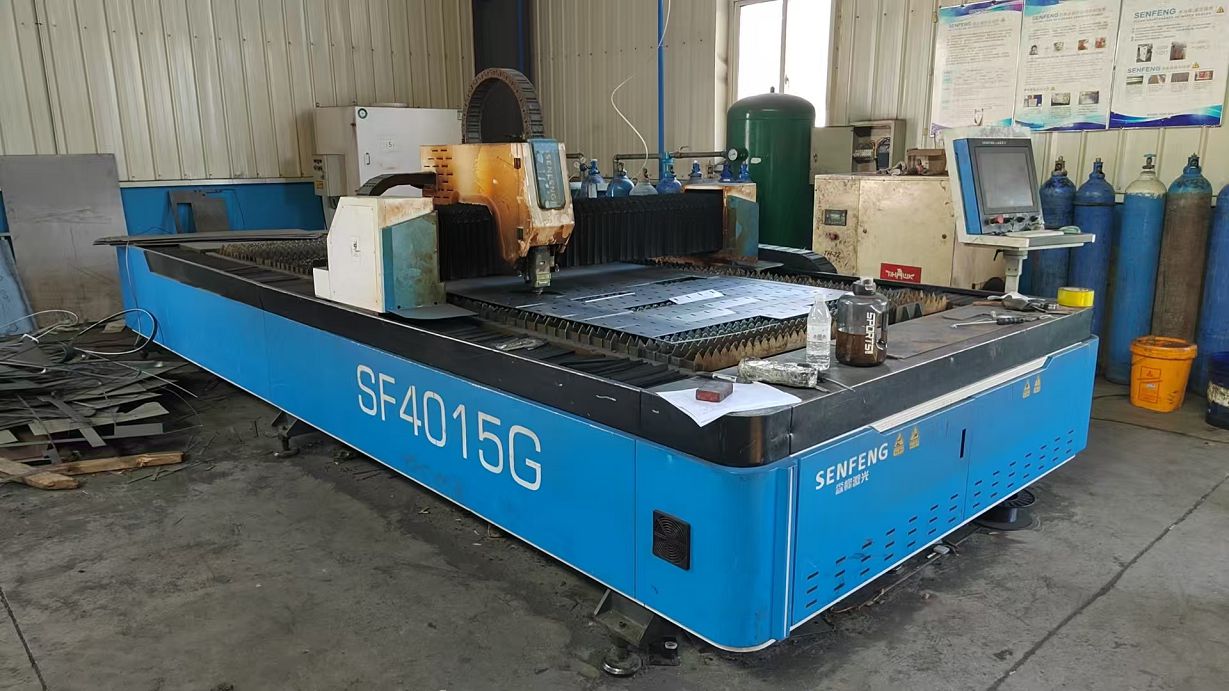 Laser cutting machine
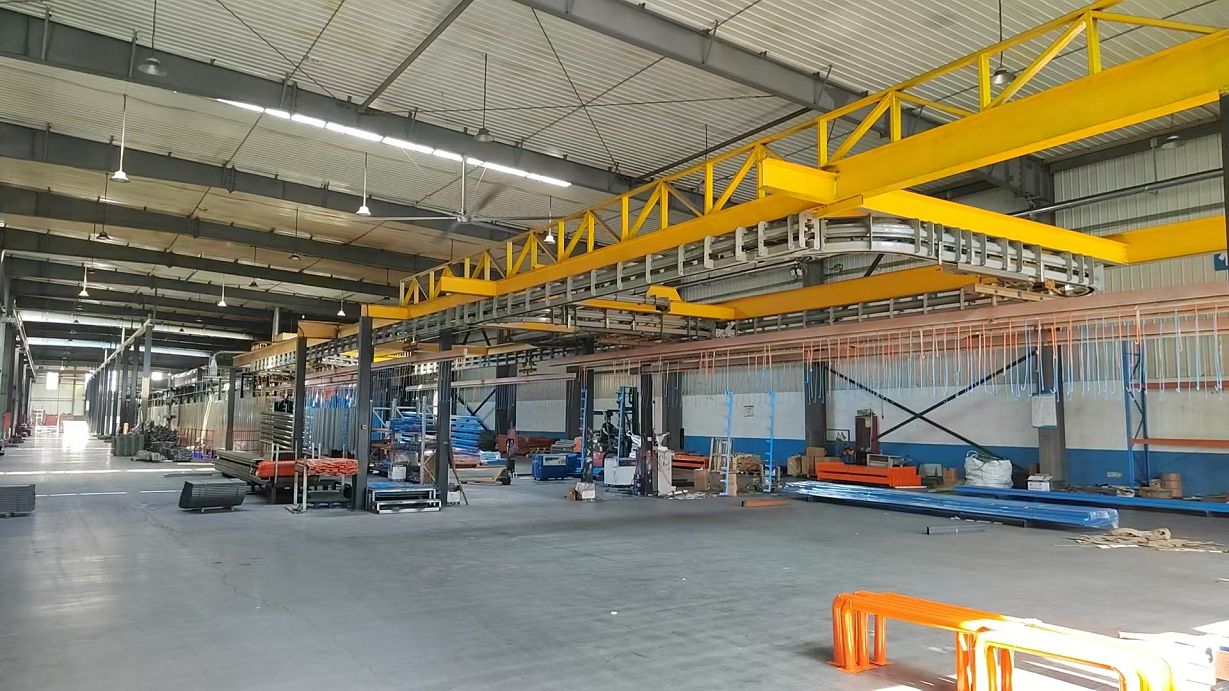 Spray painting production line
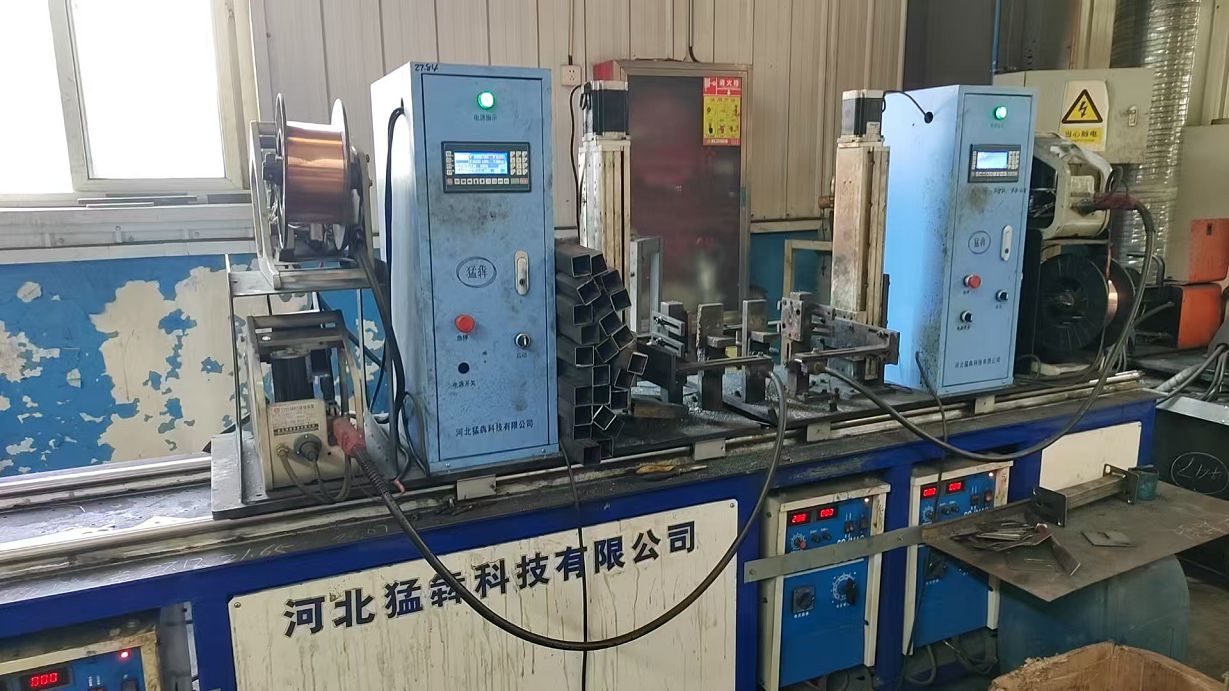 Automatic welding machine
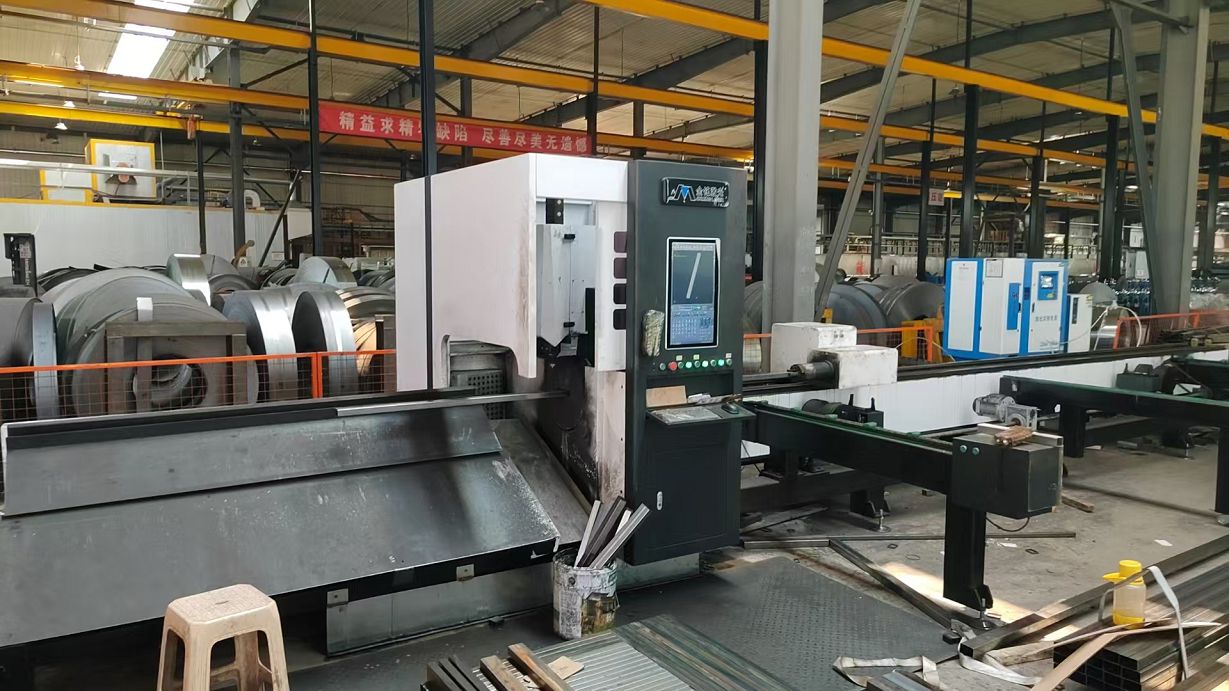 CNC pipe cutting machine
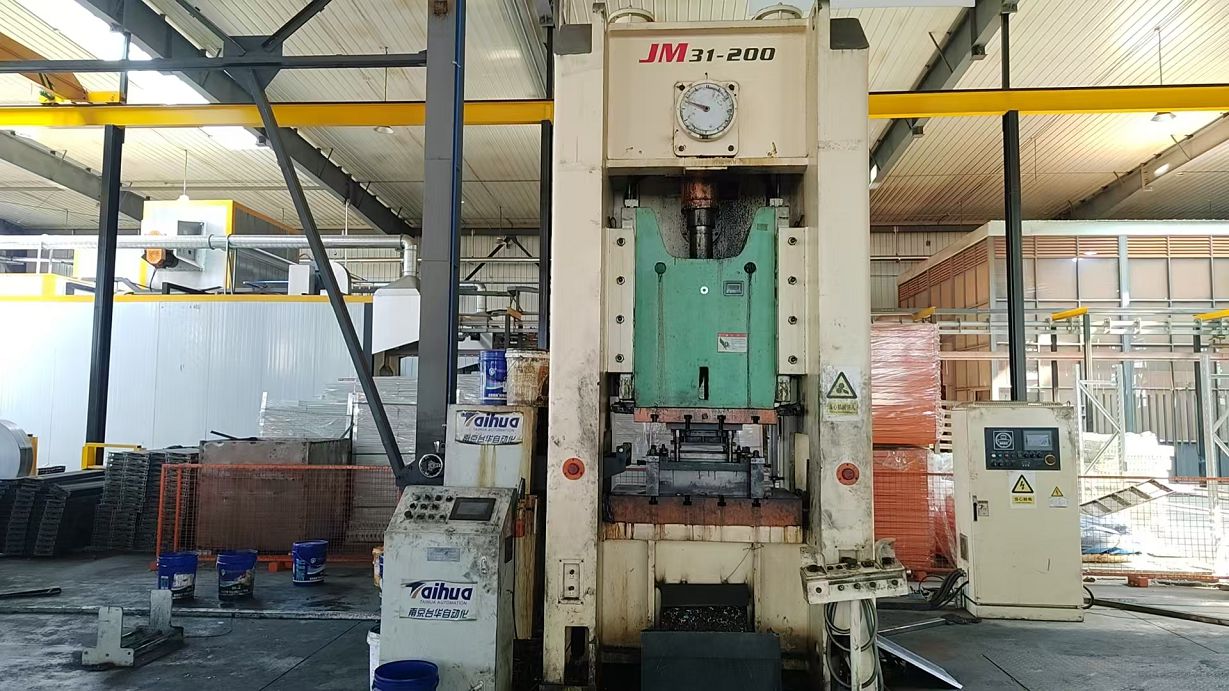 Automatic punching machine
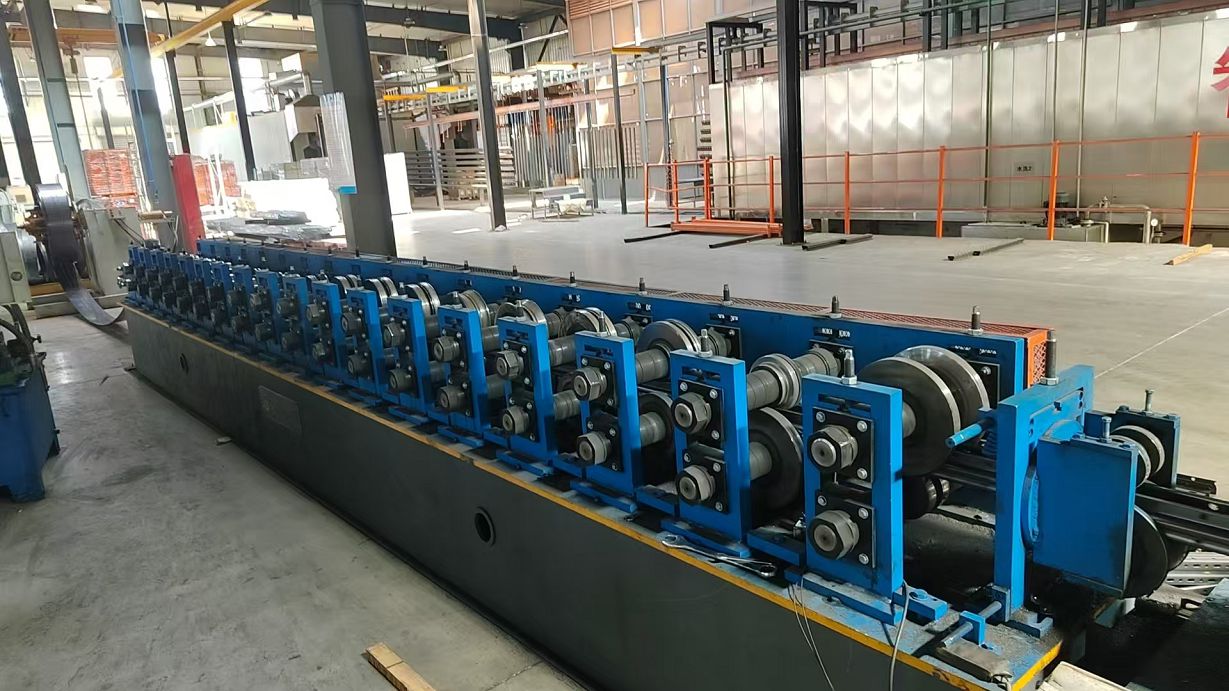 Profile pressing production line
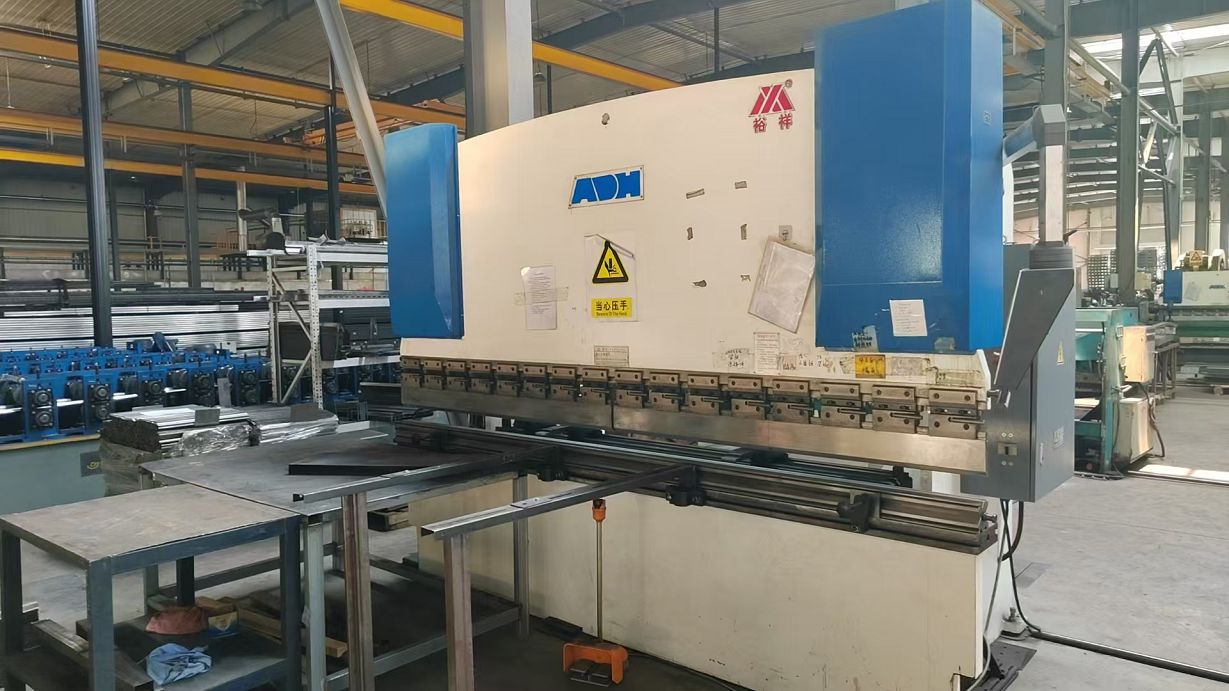 Bending machine
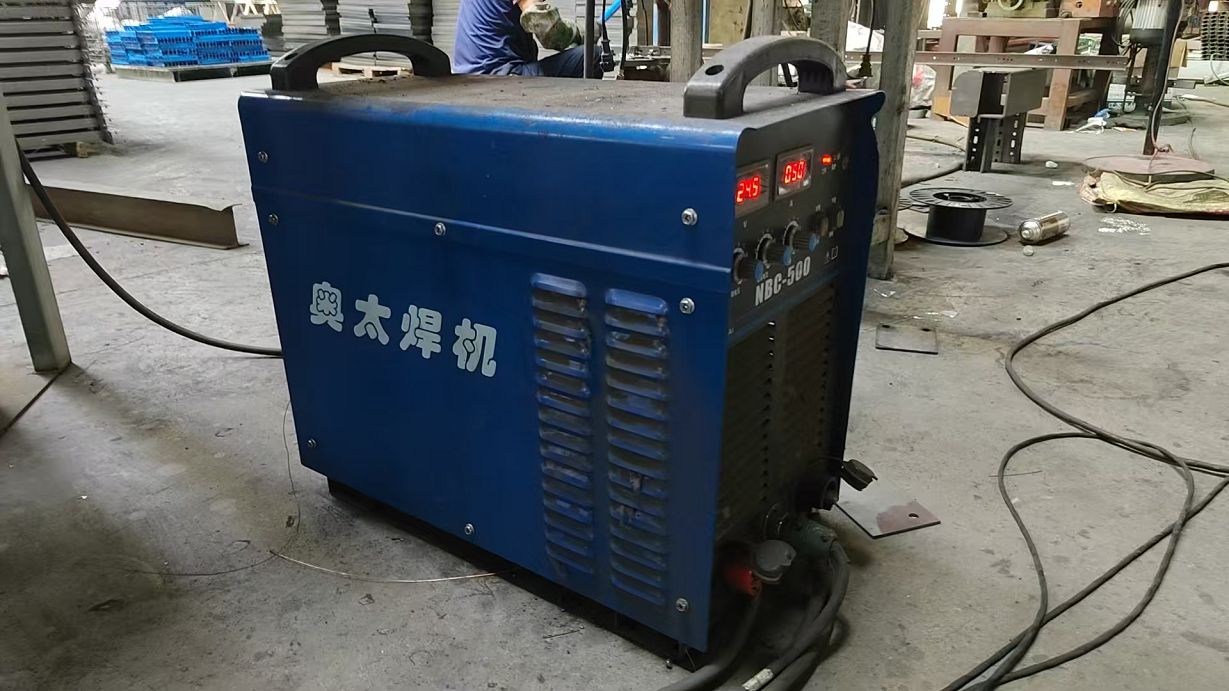 Welding machine
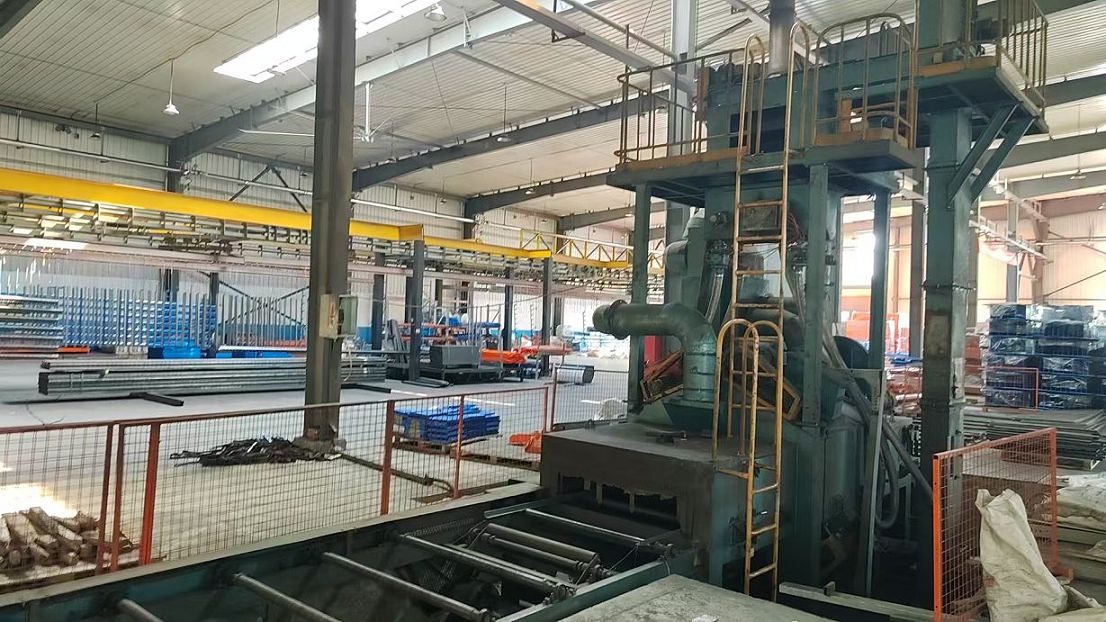 Shot blasting machine
Engineered to support massive load ratings while maintaining complete safety compliance.
We use high-tensile structural steel designed to meet North American RMI standards.
| Rack Property | Technical Specification | Seattle Seismic Code Compliance |
|---|---|---|
| Steel Grade | Q235B / Q355 High-tensile steel (equivalent to ASTM A36 / A572) | Essential for dynamic flex during seismic activity. | Upright Frames | 12 Gauge, 14 Gauge, and 15 Gauge Roll-formed profiles | Engineered configuration based on bay heights & load. |
| Teardrop Pitch | 2" (50.8mm) spacing - industry standard compatibility | Allows easy interchangeability with existing US racks. |
| Finish | Electrostatic Thermosetting Epoxy Powder-Coating (Lead-Free) | Corrosion protection for Puget Sound shoreline damp environments. |
| Certifications | CE, ISO9001:2015, RMI Compliant engineering calculations | Simplifies municipal permitting with local building inspector boards. |
Navigating modern logistical bottlenecks requires a robust supply chain network. By sourcing direct from Dongguan, distributors, wholesales, and operators in Washington state bypass intermediate markups while ensuring highly competitive lead times.
We provide full logistical support, managing standard export clearance, container packing layouts, and container tracking directly to the Port of Seattle or the Port of Tacoma.
Direct shipping lines from Shenzhen/Guangzhou ports to Seattle Gateway lower total shipping transit times compared to East Coast ports.
Our packaging systems protect upright columns and step beams from scratching and deformation during transoceanic transit.
We provide Bill of Lading, Certificate of Origin, Mill Test Certificates, and detailed Packing Lists to speed up customs clearing.
Standard systems, wire mesh options, adjustable configurations, and heavy duty cold-room styles.
Critical engineering, permitting, and shipping information for procurement managers in the PNW region.
Speak directly with our engineering department. We offer free CAD layout planning, custom sizing options, and container-direct pricing.
Request Technical Quote Today Fangding Rack