 Fangding Rack
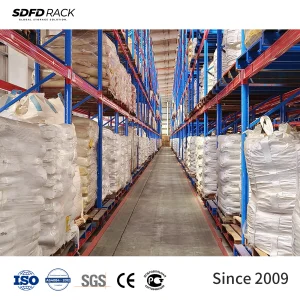
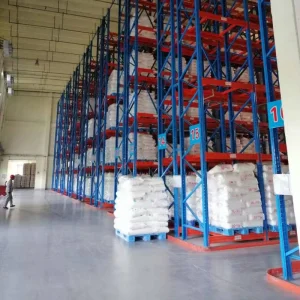
◆ Cold Storage · 5 Layer
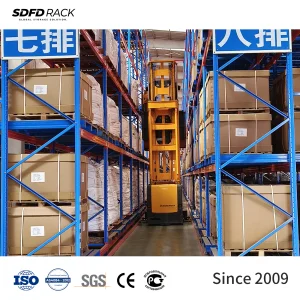
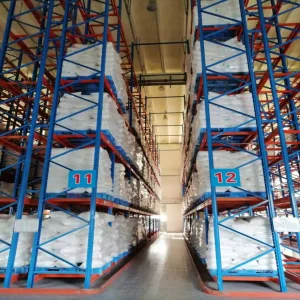
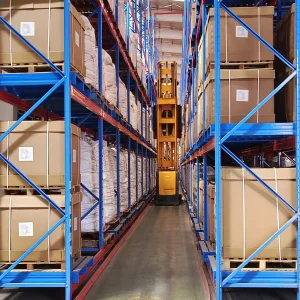
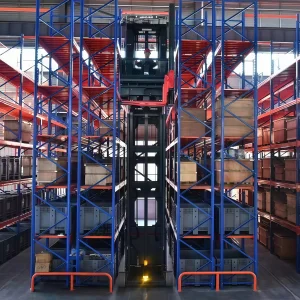
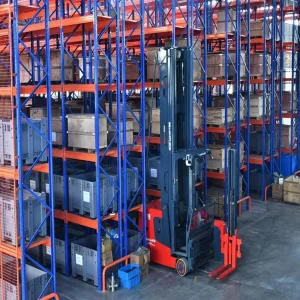
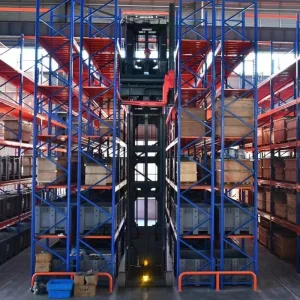
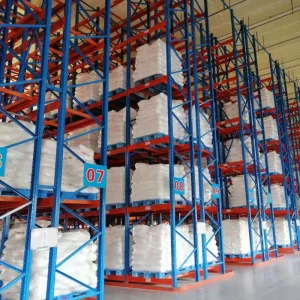
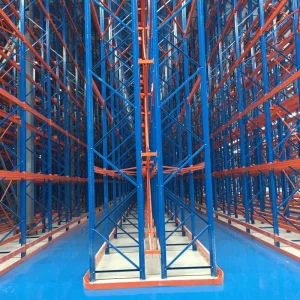
Four of our most requested VNA configurations — engineered for high-bay density, bolted assembly and heavy-duty pallet loads, with documentation packages prepared for Siberian installation conditions.
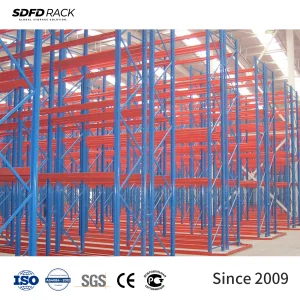
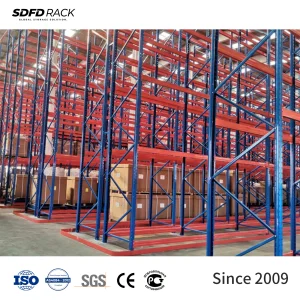
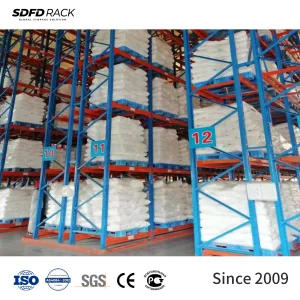
Geography, land economics and climate are all pushing Siberian warehouse operators toward narrower aisles and taller bays — not as a trend, but as a practical response to constraints.
Novosibirsk is not the most expensive warehouse market in Russia, but over the past decade it has become one of the country's most strategic storage nodes. As the largest city and administrative centre of the Siberian Federal District, it sits on the Trans-Siberian Railway, on the R-254 and R-256 trunk roads, and directly on the China–Europe rail corridor. For any business moving goods from China, Kazakhstan or Mongolia, or distributing across the Urals into the Far East, Novosibirsk is where freight gets deconsolidated, cross-docked, buffered and re-dispatched.
The cost of that position is space. Grade-A warehousing in the Novosibirsk agglomeration has historically stayed tight, and industrial land with the right floor slab, power connection and cold-weather capability is scarce. When an operator cannot expand the footprint, the only remaining direction is upward — and the aisle width becomes the variable that decides how much of that height is actually usable. Narrow aisle racking is the engineering answer to that economic friction: a well-designed VNA installation typically returns 30% to 50% more pallet positions than a conventional selective layout on the same floor area, simply by compressing working aisles from 3.0–3.6 m down to 1.6–2.0 m and running purpose-built very narrow aisle trucks inside them.
E-commerce fulfilment and marketplaces. Regional fulfilment capacity across Siberia keeps expanding as marketplaces and retail chains push delivery promises deeper into the territory. More order lines, more SKUs and shorter response windows all point toward higher storage density — but density that still preserves pallet-level selectivity, not a deep-block system where the last pallet in is the only one you can reach.
Labour availability. Warehouse operators are getting harder to recruit and more expensive to retain. VNA trucks that lift the operator to the pick face and shorten travel distance per pallet reduce the labour required per cubic metre of storage — making VNA as much a staffing strategy as a real-estate strategy.
Climate and construction reality. Novosibirsk winters are serious. Temperatures routinely reach the mid −20s °C and cold snaps can push below −35 °C, while cold-store interiors sit at −18 °C to −25 °C year-round. Thermal cycling, condensation, steel low-temperature toughness and powder-coat adhesion are not theoretical concerns; they determine whether a racking structure survives fifteen winters without maintenance escalation. A supplier that quotes only for a heated distribution centre is quoting the wrong product for this market.
Alongside these pressures, sourcing behaviour has changed. Buyers increasingly want a factory contact in China that can show verified production equipment, documented quality inspection and a real engineering team — not a trading desk that forwards drawings. The sections below explain how that sourcing model works in practice for Novosibirsk projects.
Eight application patterns we regularly engineer for Siberian warehouses, distribution centres and production plants.
Dairy, meat, frozen food and ice-cream distributors operating −18 °C to −25 °C rooms where every square metre of footprint is unaffordable. Cold-rated steel, deep-coat powder finish and condensation-tolerant detailing.
Regional fulfilment for marketplaces and retail chains: mixed pallet and case picking, high SKU counts, and layouts that keep pick faces accessible while compressing the aisle envelope.
Dealers and distributors of vehicle, truck and agricultural machinery parts — heavy, irregular cartons that need bolted selective structure and reinforced beam locking.
Production plants in and around Novosibirsk storing raw stock, jigs and semi-finished goods where racking doubles as an internal logistics backbone.
Temperature-controlled pharmaceutical and medical device storage, where clean finishes, documented load charts and traceable inspections matter to auditors.
Warehouses handling drums, IBCs and packaged chemicals — corrosion-conscious finishes, spill-aware layouts and conservative safety factors for aggressive environments.
High-throughput plants needing pallet flow between production, blast freezing and dispatch, with racks sized around pallet quality and stack heights actually used on site.
DIY chains and construction suppliers storing long, heavy and awkward loads — combined selective and long-span layouts engineered around a single aisle module.
Importing racking into Russia is an engineering and documentation exercise as much as a logistics one. Here is what a properly localised project package contains.
Every serious racking project should be traceable to a recognised design basis. For European-aligned projects we engineer to EN 15512 principles for adjustable pallet racking steelwork, reference FEM 10.2.31 for the design of static steel racking, and can cross-check against ANSI MH16.1 / RMI where a buyer's group standard requires it. In practice this means the upright section, beam section, bracing pattern and floor fixings are all derived from the actual pallet load, beam span, bay height and seismic or wind case — not selected from a catalogue by eye. We issue the load capacity plate data, beam-to-upright connection details and a bay-by-bay load chart so the site team and the local design institute are working from the same numbers.
Warehouse racking supplied into the Eurasian Economic Union is normally assessed against the customs union technical regulation on machinery and equipment safety (TR CU 010/2011). We prepare the conformity documentation package together with the importer, and ship each consignment with a Russian-language technical passport, nameplate data, assembly instructions and a load capacity statement. Buyers can hand these directly to their installation contractor and to the fire-safety reviewer without re-translating drawings on site.
Siberian conditions change the specification, not just the paint colour. For Novosibirsk and the surrounding oblast we discuss steel grade and chemistry (Q235B and Q355B are common starting points, with tighter control on sulphur and phosphorus for low-temperature service), impact toughness expectations for cold-store applications, powder coating systems with documented adhesion and mandrel flexibility results, and detailing that avoids water traps where condensation will form during freeze–thaw cycles. Where a rack stands in a −25 °C room, thermal movement and floor flatness tolerances are also part of the drawing review.
High-density, high-bay installations are reviewed by Russian fire-safety specialists, and sprinkler layout, in-rack detection, aisle clearance and flue spacing all interact with rack geometry. We supply dimensional drawings early enough that the fire-safety designer can place sprinkler branches without forcing a redesign of the rack after fabrication — the single most common cause of schedule slippage on VNA projects.
We can supply erection supervision remotely, provide bolt torque tables and sequence drawings, and include a recommended spares kit with each project: upright protectors, safety pins, beam locks and replacement foot plates. Consumables and wear items are quoted as a separate line so the buyer sees the true five-year cost rather than only the steel price.
Factory-direct manufacturing, container-optimised packing and a rail corridor that lands in Novosibirsk without transhipment surprises.
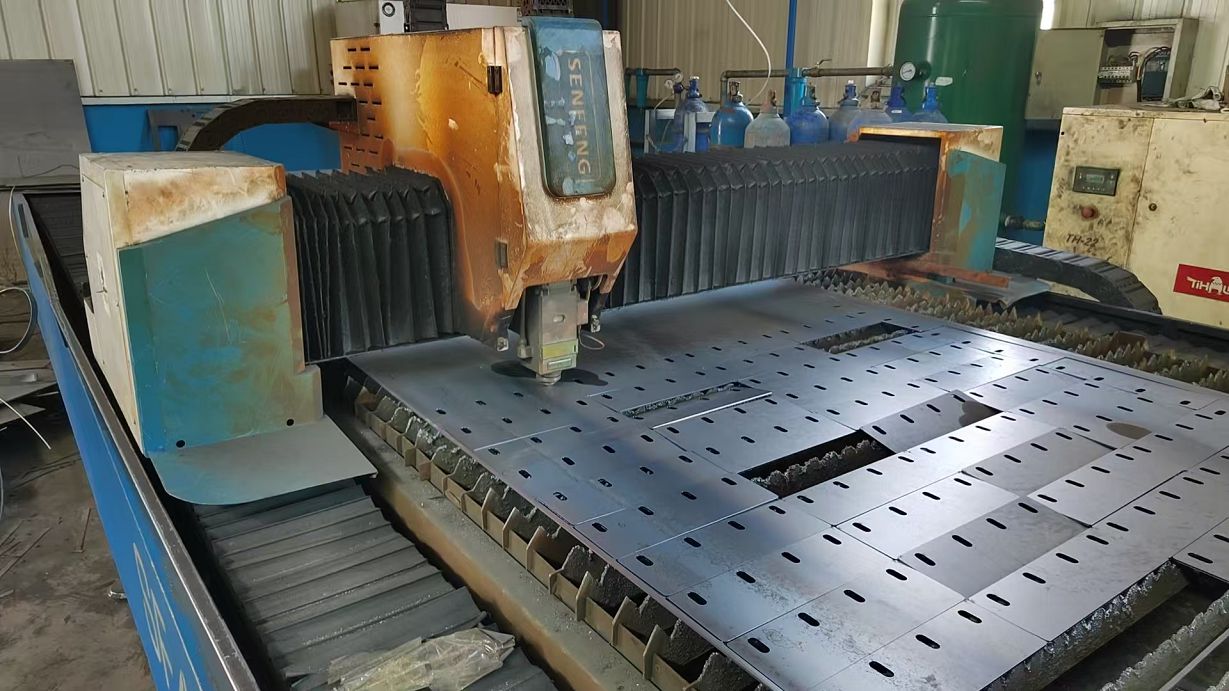
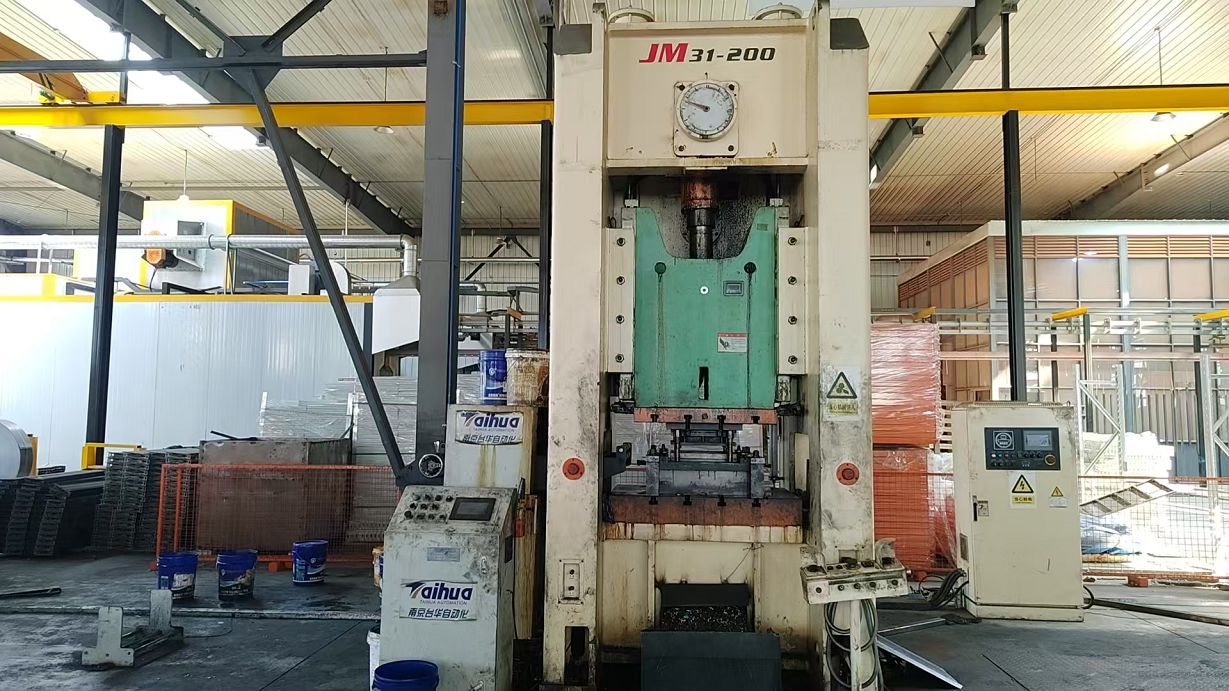
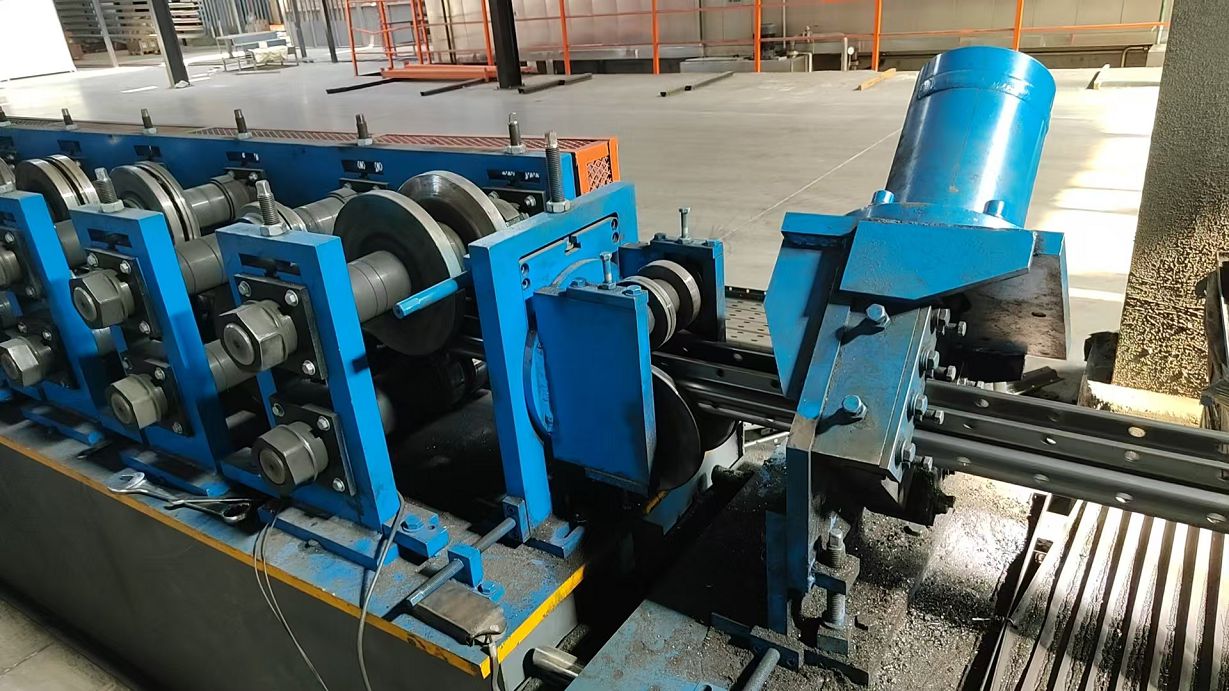
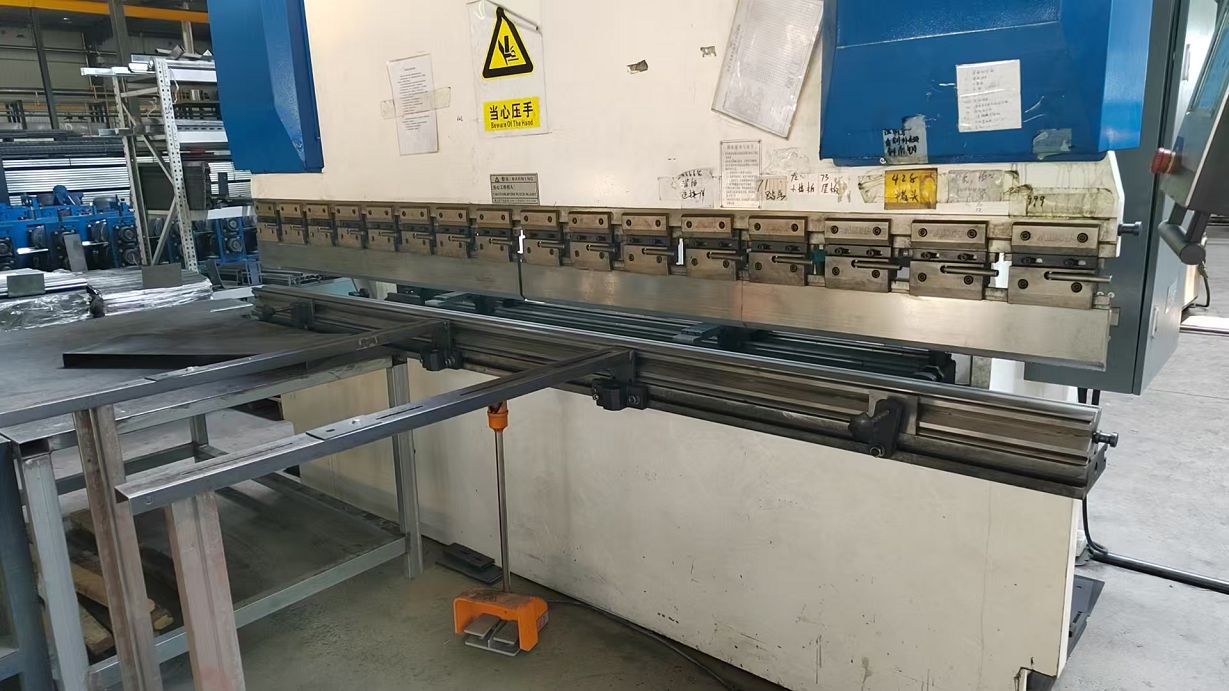
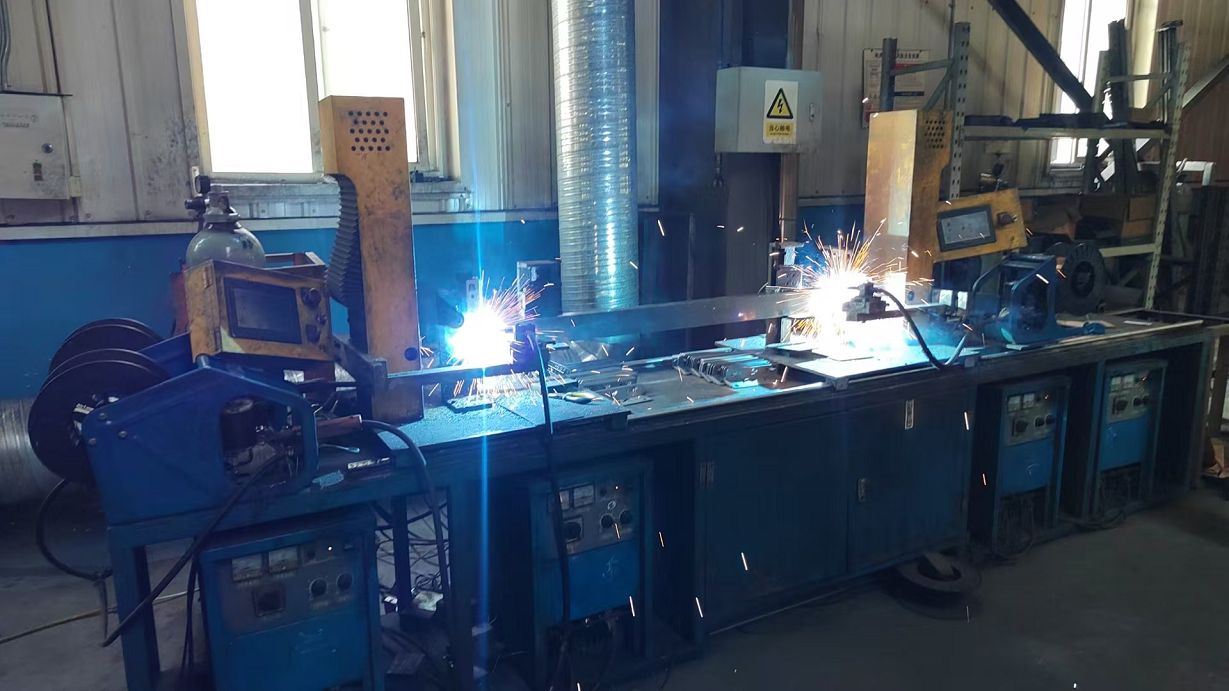
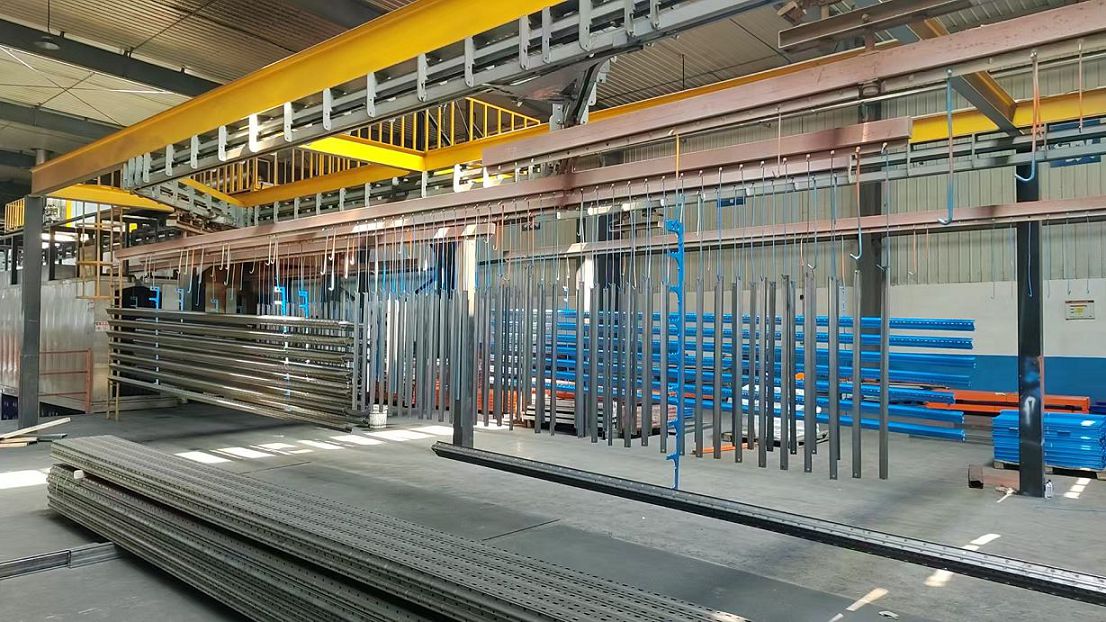
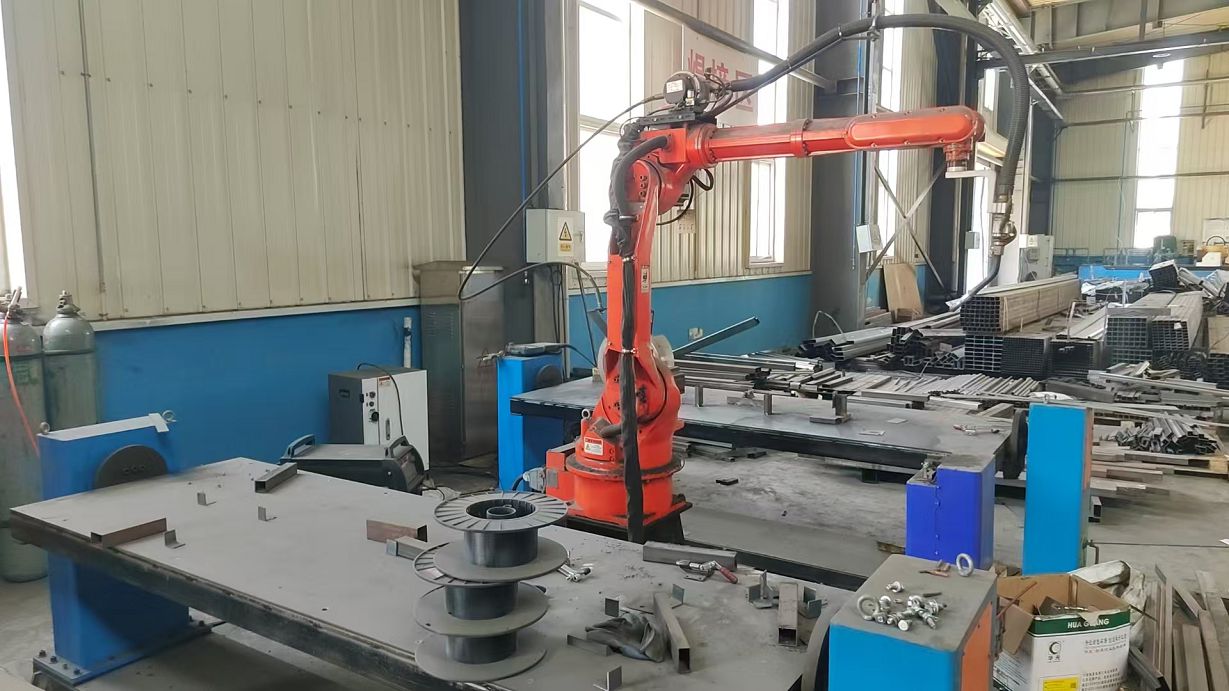
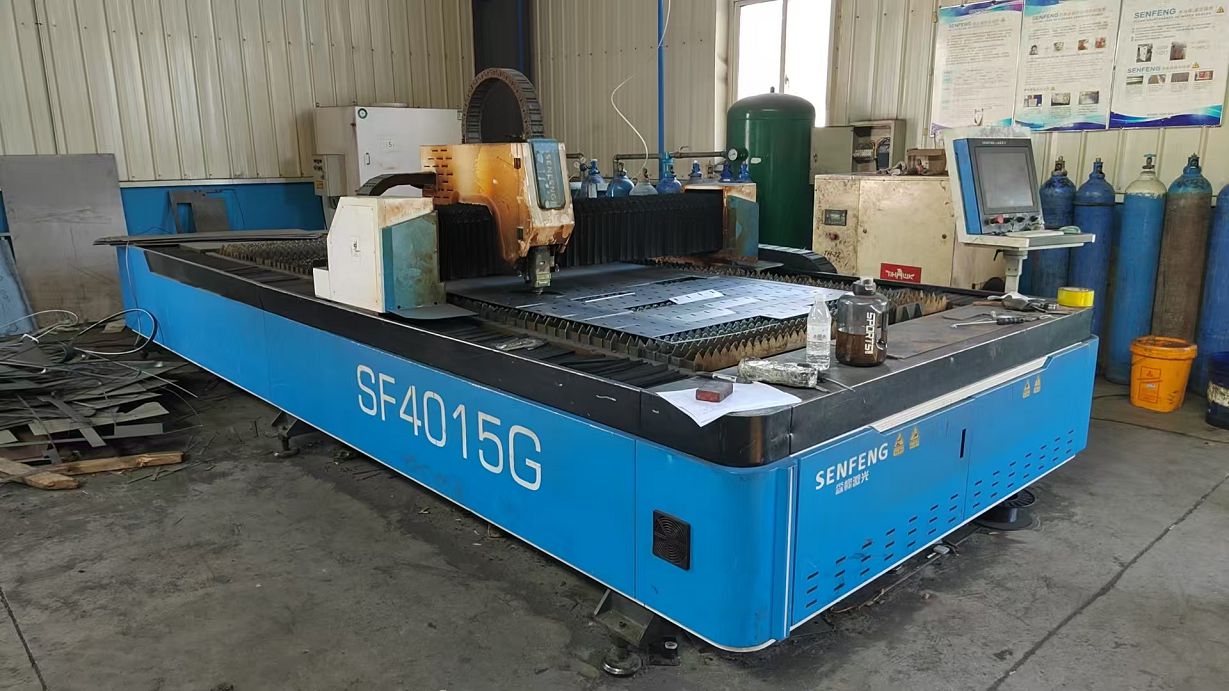
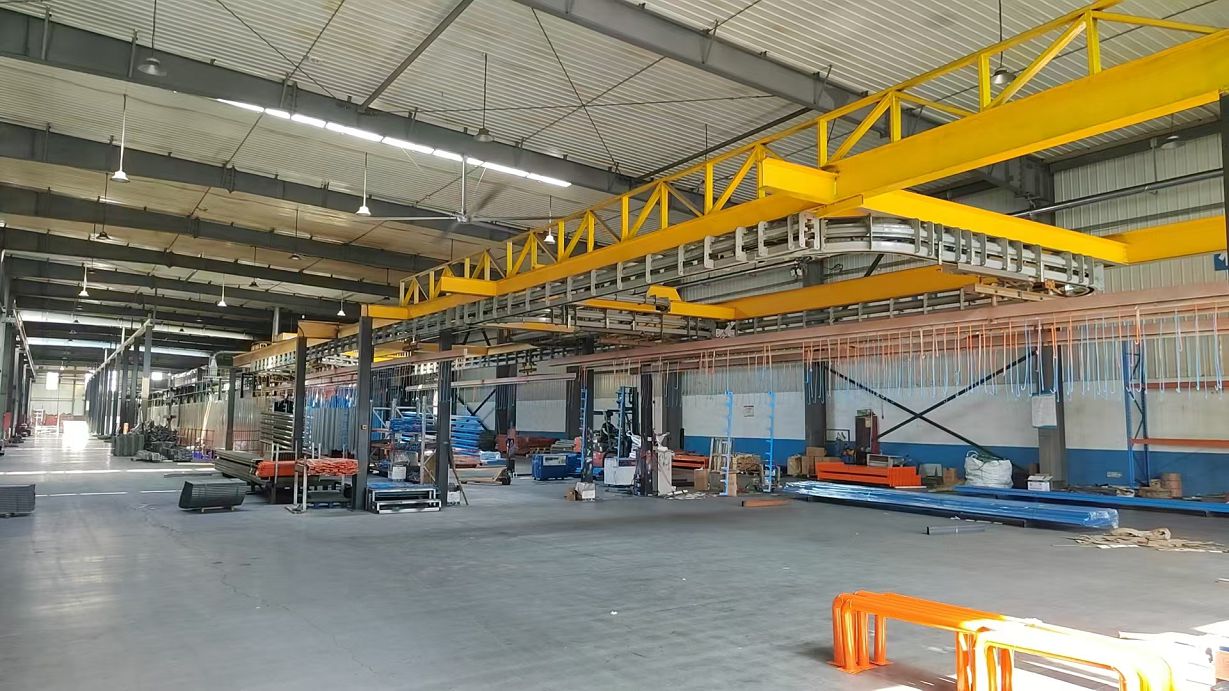
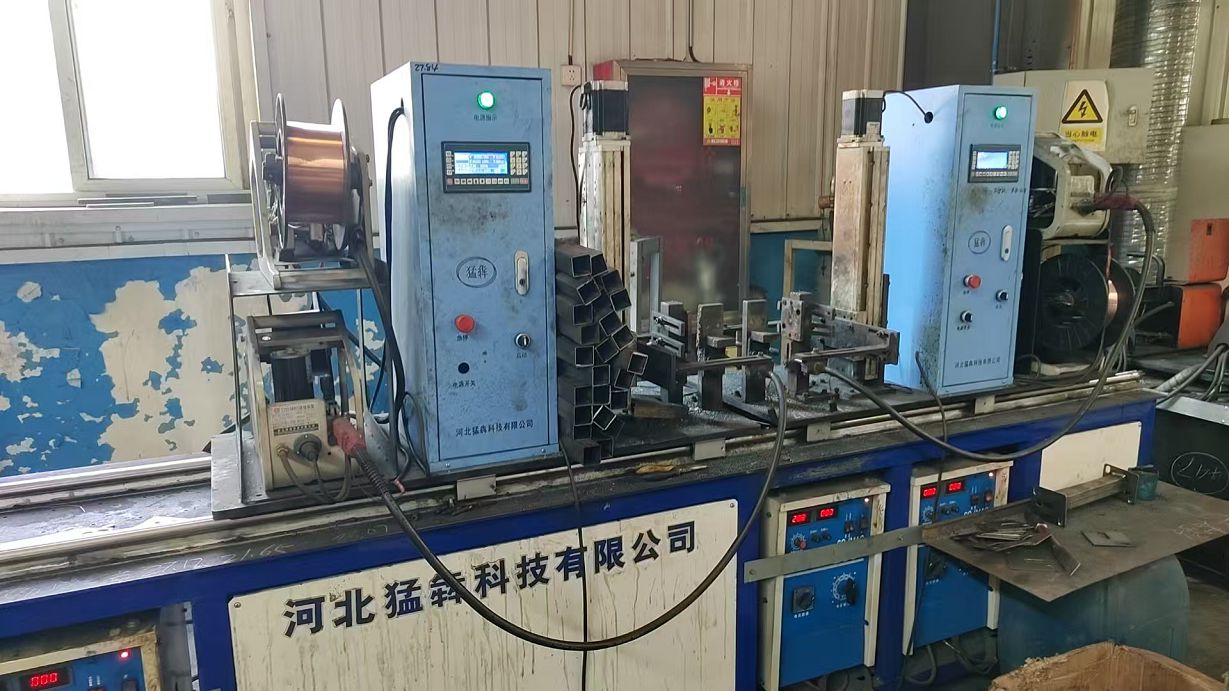
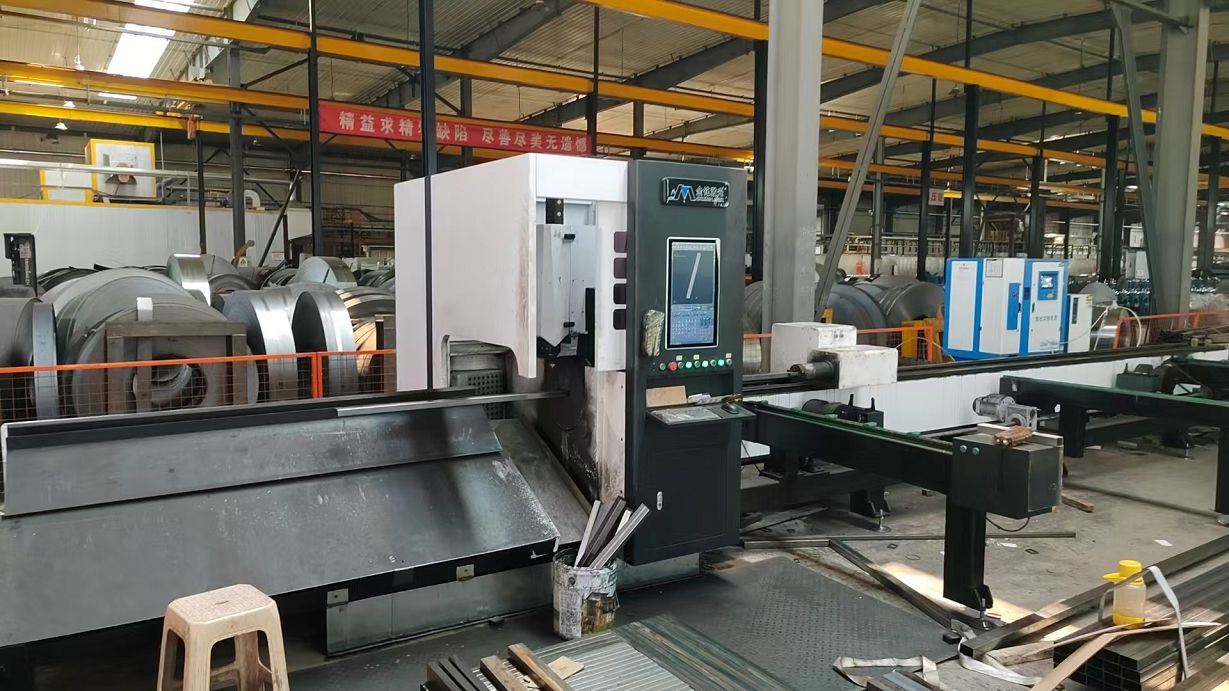
Laser cutting, CNC pipe cutting, automatic punching, robot welding, fully automated profile pressing, shot blasting and a dedicated powder coating line — all under one roof, which compresses lead time and keeps dimensional tolerance consistent between bays.
Load capacity testing, dimensional inspection, weld quality inspection, powder coating adhesion testing and packaging inspection on every consignment, executed by 42 dedicated QC inspectors before the container is sealed.
58 engineers and more than 95 new designs or improvements per year. Rack dimensions, load capacity, RAL colour, bracing layout, upright protector type and branding are all customisable to a distributor's own catalogue.
Novosibirsk sits directly on the China–Europe rail corridor. Block trains from central and western China typically reach the city in roughly 15–25 days depending on origin and border queue, with road groupage via Zabaikalsk or Kazakhstan as an alternative.
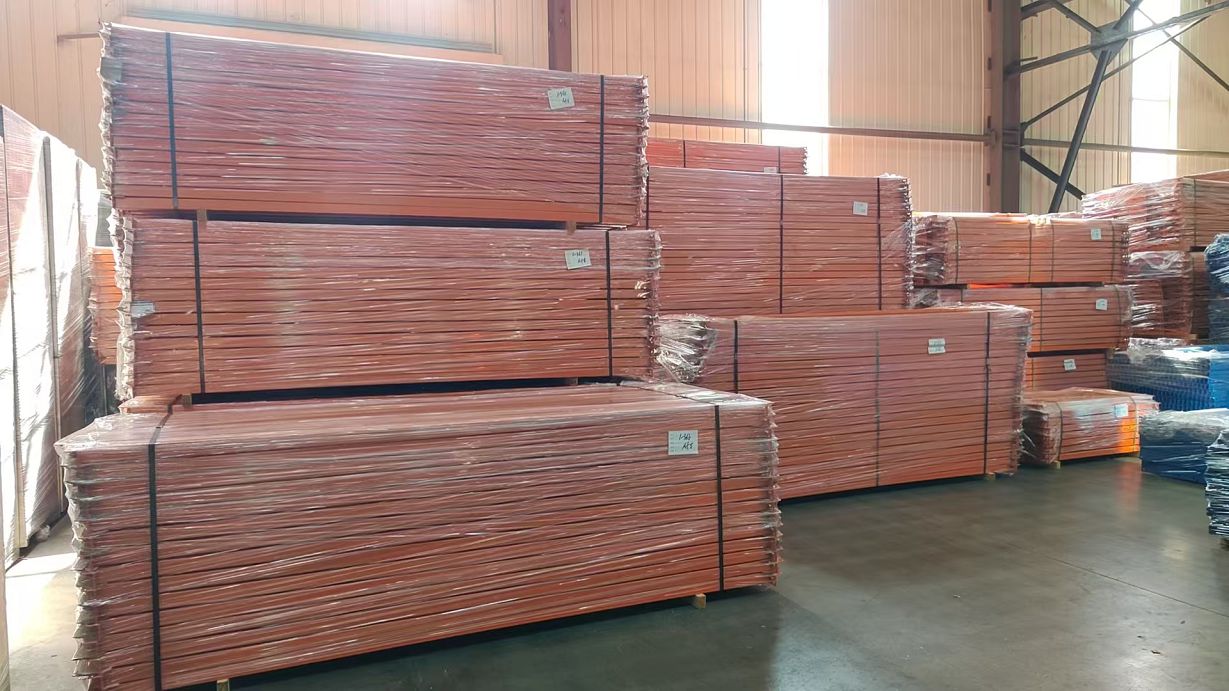
Uprights and beams are nested and bundled to maximise payload utilisation in 40HQ containers. Load plans are issued before shipment so the buyer can confirm unloading equipment and yard space in advance.
No trading-layer markup. Buyers receive a costed breakdown for uprights, beams, bracing, accessories and packing, which makes landed-cost comparison against European or Turkish suppliers straightforward.
Logistically, three routes are regularly used for Novosibirsk deliveries. Rail is the default for volume projects: containers move from Chinese inland terminals through the Alashankou or Khorgos crossings and continue on the Trans-Siberian network into Novosibirsk, with typical door-to-door timing of three to four weeks once production is complete. Road transport via Zabaikalsk or through Kazakhstan suits smaller or urgent quantities and mixed consignments. Sea freight to the Russian Far East followed by rail is the lowest-cost option for non-urgent replenishment but adds significant transit time.
Because racking is a heavy, low-value-per-cubic-metre product, the economics of a Novosibirsk project are decided as much by packing density as by steel price. Our engineering team issues a container loading plan with every quotation, so buyers see exactly how many bays fit per container before they commit.
CE-certified adjustable systems, cold-room variants and high-utilisation VNA layouts — all available with Russian-language documentation.
Across North America, Europe, Southeast Asia, the Middle East and Russia, the same eight questions decide whether a supplier wins a racking contract.
Where the category is heading, and what it means for a Novosibirsk capital project approved today.
Operators increasingly pair a VNA field for slow-moving, high-value pallets with radio shuttle blocks for homogeneous fast movers — one building, two density strategies.
Continued investment in refrigerated and frozen capacity across Siberia is driving demand for racks specified at low temperature from the first drawing, not retrofitted later.
Point-cloud site surveys and 3D layout models reduce rework on brownfield sites, where existing slabs, columns and sprinkler mains rarely match the original drawings.
Rising land costs push upright heights beyond 12 m with aisle widths trimmed toward the 1.6 m minimum, placing greater emphasis on truck guidance and floor tolerance.
Recyclable steel, lower-VOC powder coatings and shot-blast surface preparation instead of chemical pre-treatment are becoming procurement criteria for multinational tenants.
Bolted, fully demountable systems allow a tenant to relocate or extend racking as leases change — a decisive factor in a market where relocations are common.
Every design decision is increasingly evaluated against headcount: travel distance, replenishment frequency and pick-face height are all costed in labour hours.
Suppliers who hold spare parts and offer Russian-speaking technical support close to the Urals and Siberia are winning repeat orders over lowest-price exporters.
Dongguan Fangding Warehousing Equipment Manufacturing Co., Ltd. is a professional warehouse racking manufacturer specializing in the design, production, and supply of industrial storage systems for global customers. Since its establishment in 2016, the company has been committed to delivering durable, space-efficient, and cost-effective storage solutions for warehouses, logistics centers, factories, retail facilities, and distribution hubs.
Operating from a modern manufacturing facility covering 18,600㎡, Fangding integrates advanced production equipment with strict quality management to ensure every product meets international standards. Our product portfolio includes selective pallet racking, heavy-duty warehouse racks, long-span shelving, cantilever racking, mezzanine systems, drive-in racking, steel platforms, and customized storage solutions designed for different industries.
With over 8 years of export experience and 14 years of industry expertise, Fangding has established long-term partnerships with customers across North America, Europe, Southeast Asia, Australia, and the Middle East. The company's annual export revenue exceeds US$18 million, supported by efficient manufacturing, reliable logistics, and responsive customer service.
Quality is at the core of our manufacturing process. Every product undergoes 100% quality inspection, including load capacity testing, dimensional inspection, welding quality inspection, powder coating adhesion testing, and packaging inspection. Our dedicated quality control department consists of 42 experienced inspectors who ensure consistent product performance before shipment.
As an OEM & ODM manufacturer, Fangding offers comprehensive customization services, including rack dimensions, load capacities, colors, structural designs, and warehouse layout planning. Backed by a professional R&D team of 58 engineers, the company launches over 95 new products and design improvements every year to meet the evolving needs of modern warehousing.
Today, Fangding collaborates with more than 1,150 supply chain partners and serves warehouse equipment distributors, importers, wholesalers, engineering contractors, logistics companies, retailers, and industrial end users worldwide. Combining innovative engineering, dependable quality, and competitive factory-direct pricing, Fangding continues to provide efficient storage solutions that maximize warehouse space and improve operational efficiency for customers around the globe.
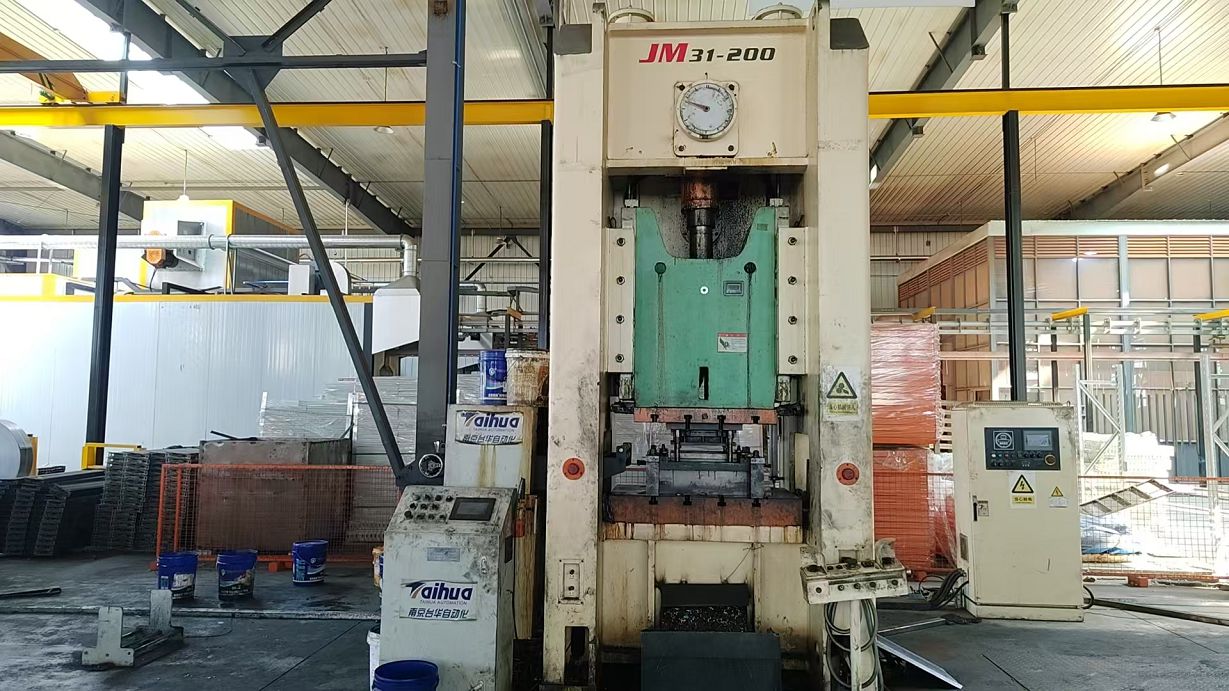
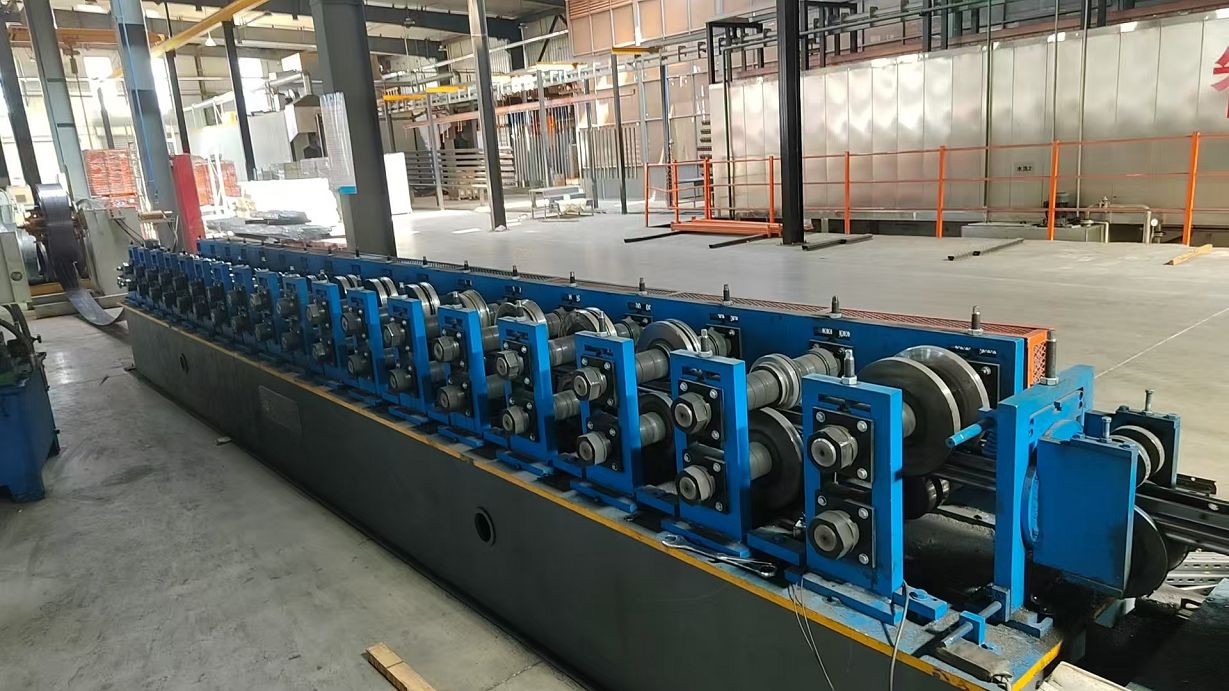
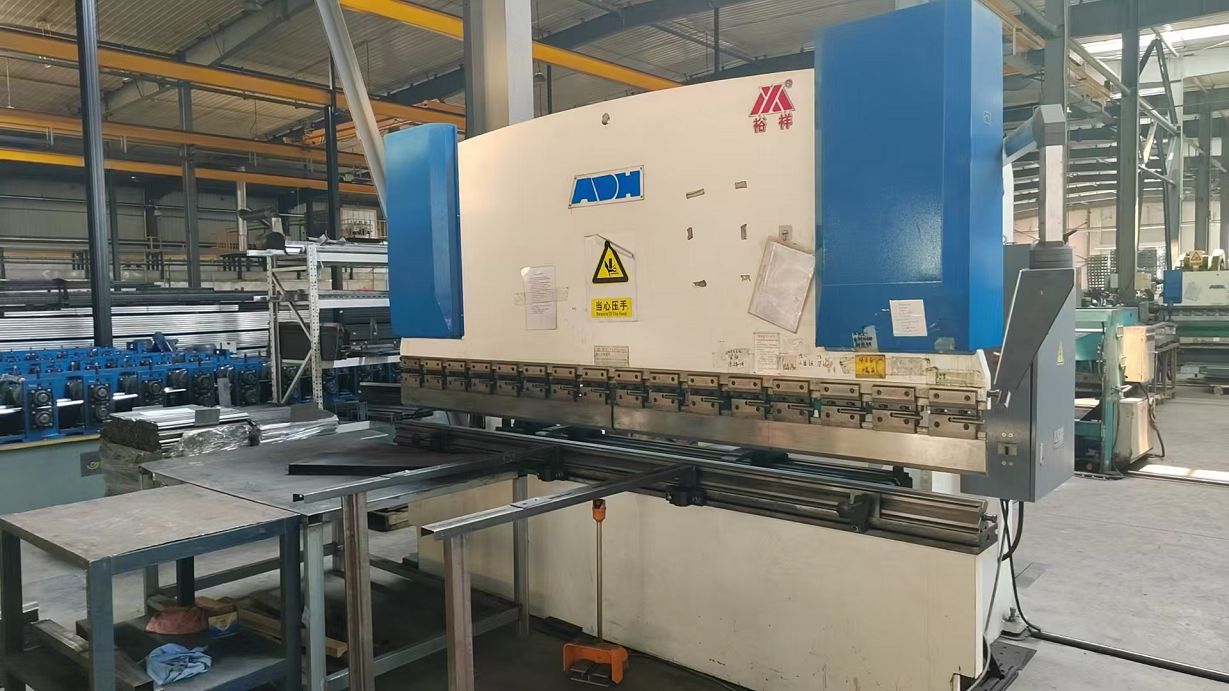
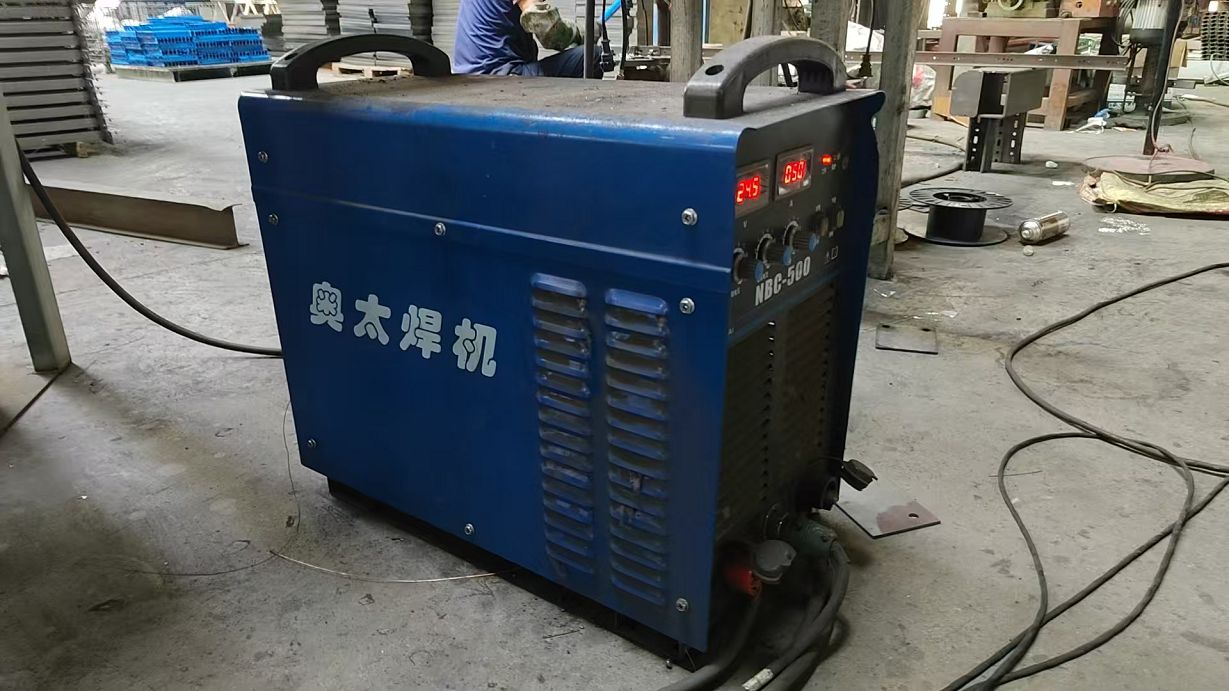
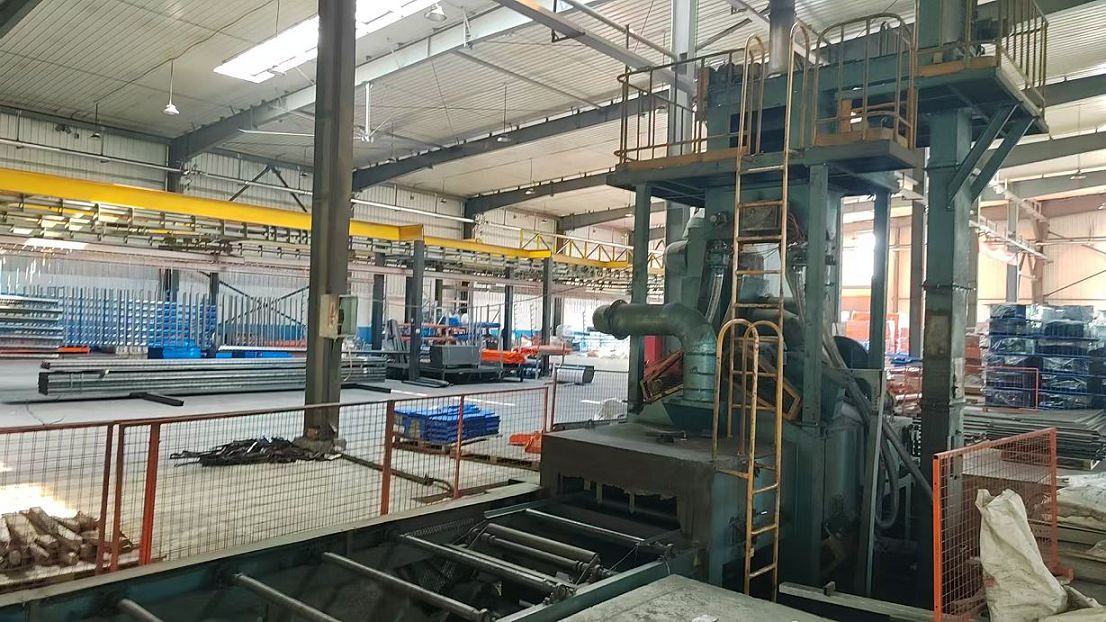
Eight further configurations covering 4-layer shelving units, 500–3,000 kg selective systems and petrochemical-grade layouts — all available with factory-direct pricing and Russian documentation.
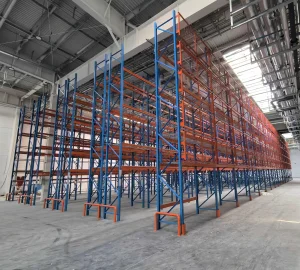
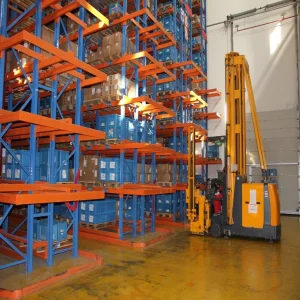
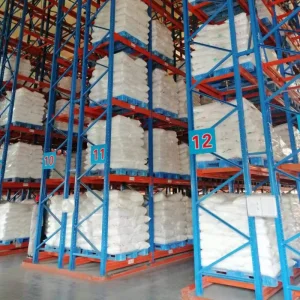
Send us your building drawing, pallet specification and target pallet count. Our engineering team will return a 3D layout, bay-by-bay load chart, container loading plan and factory-direct quotation — with Russian-language documentation prepared for EAC compliance.
Send Inquiry Now →